Trong bối cảnh toàn cầu hóa ngày càng sâu rộng, vai trò của nghệ thuật trong việc thể hiện bản sắc văn hóa đang trở thành một chủ đề được quan tâm rộng rãi, không chỉ trong đời sống xã hội mà còn trong các kỳ thi IELTS. Chủ đề “The Role Of Art In Expressing Cultural Identity” xuất hiện khá thường xuyên trong IELTS Writing Task 2, đặc biệt ở dạng Opinion, Discussion hoặc Advantages/Disadvantages essay. Theo thống kê từ các trung tâm thi uy tín, đề tài về nghệ thuật và văn hóa chiếm khoảng 8-12% tổng số đề thi trong năm 2023-2024.
Bài viết này sẽ cung cấp cho bạn một cái nhìn toàn diện về cách tiếp cận chủ đề quan trọng này, bao gồm: 3 bài mẫu từ Band 5 đến Band 9 với phân tích chi tiết, bảng chấm điểm theo 4 tiêu chí của IELTS, 15+ từ vựng chủ đề thiết yếu, 6 cấu trúc câu “ăn điểm” cao, và những lỗi sai phổ biến mà học viên Việt Nam thường mắc phải. Đặc biệt, bạn sẽ học được cách phát triển ý tưởng logic và sử dụng ví dụ thuyết phục để nâng band điểm của mình.
Một số đề thi thực tế đã xuất hiện gần đây về chủ đề này:
- “Art is considered an essential part of all cultures throughout the world. However, these days fewer and fewer people appreciate art and turn their focus to science, technology and business. Why do you think this is? What could be done to encourage more people to take interest in the arts?” (British Council, tháng 3/2023)
- “Some people think that cultural traditions are destroyed when they are used as money-making attractions aimed at tourists. Others believe that this is the only way to save such traditions. Discuss both views and give your opinion.” (IDP, tháng 7/2023)
Đề Writing Part 2 Thực Hành
Some people believe that art plays a crucial role in preserving and expressing cultural identity, while others argue that in the modern world, art has lost this function. Discuss both views and give your own opinion.
Dịch đề: Một số người tin rằng nghệ thuật đóng vai trò quan trọng trong việc bảo tồn và thể hiện bản sắc văn hóa, trong khi những người khác cho rằng trong thế giới hiện đại, nghệ thuật đã mất đi chức năng này. Thảo luận cả hai quan điểm và đưa ra ý kiến của bạn.
Phân tích đề bài:
Đây là dạng Discussion Essay (Discuss both views and give your opinion) – một trong những dạng đề phổ biến nhất trong IELTS Writing Task 2. Yêu cầu của đề bài gồm 3 phần:
- Thảo luận quan điểm thứ nhất: Nghệ thuật đóng vai trò quan trọng trong việc bảo tồn và thể hiện bản sắc văn hóa
- Thảo luận quan điểm thứ hai: Trong thế giới hiện đại, nghệ thuật đã mất đi chức năng này
- Đưa ra ý kiến cá nhân: Bạn đồng ý với quan điểm nào hoặc có lập trường riêng
Các thuật ngữ quan trọng cần hiểu:
- Cultural identity (bản sắc văn hóa): Các đặc điểm, giá trị, truyền thống làm nên sự độc đáo của một nền văn hóa
- Preserving (bảo tồn): Giữ gìn, duy trì để không bị mất đi hoặc thay đổi
- Expressing (thể hiện): Truyền đạt, biểu lộ ra bên ngoài
- Lost this function (mất đi chức năng): Không còn thực hiện vai trò đó nữa
Những lỗi thường gặp của học viên Việt Nam:
- Chỉ thảo luận một quan điểm hoặc không cân bằng giữa hai quan điểm
- Quên đưa ra ý kiến cá nhân rõ ràng trong phần introduction và conclusion
- Sử dụng ví dụ chung chung, không cụ thể (ví dụ: “art is important” thay vì nêu cụ thể loại hình nghệ thuật nào, như thế nào)
- Lạc đề sang các chủ đề khác như lợi ích của nghệ thuật nói chung thay vì tập trung vào mối quan hệ với bản sắc văn hóa
Cách tiếp cận chiến lược:
Cấu trúc bài viết nên gồm 4 đoạn:
- Introduction: Paraphrase đề bài + nêu rõ sẽ thảo luận cả hai quan điểm + thesis statement (ý kiến của bạn)
- Body 1: Thảo luận quan điểm 1 với 2-3 lý do + ví dụ cụ thể
- Body 2: Thảo luận quan điểm 2 với 2-3 lý do + ví dụ cụ thể
- Conclusion: Tóm tắt hai quan điểm + nhấn mạnh lại ý kiến cá nhân
Lưu ý: Bạn có thể đồng ý hoàn toàn với một quan điểm, đồng ý một phần với cả hai, hoặc có quan điểm cân bằng – điều quan trọng là phải thể hiện rõ ràng và nhất quán xuyên suốt bài viết.
 Vai trò nghệ thuật trong bảo tồn và thể hiện bản sắc văn hóa IELTS Writing Task 2
Bài Mẫu Band 8-9
Bài viết Band 8-9 xuất sắc ở khả năng phân tích sâu sắc cả hai quan điểm, sử dụng từ vựng chính xác và đa dạng, cấu trúc câu phức tạp nhưng tự nhiên, và ví dụ cụ thể thuyết phục. Bài viết dưới đây thể hiện sự hiểu biết sâu rộng về chủ đề, với luận điểm được phát triển logic và mạch lạc.
The debate over whether art continues to serve as a vital medium for preserving and expressing cultural identity in contemporary society has become increasingly contentious. While some maintain that artistic endeavors remain fundamental to cultural preservation, others contend that globalization and modernization have diminished this traditional function. This essay will examine both perspectives before arguing that, despite facing challenges, art still plays an indispensable role in safeguarding cultural heritage.
Those who advocate for art’s enduring significance point to its unique capacity to encapsulate and transmit cultural values across generations. Traditional art forms, such as Vietnamese water puppetry or Indonesian batik, serve as tangible repositories of historical narratives and ancestral wisdom that written records alone cannot fully capture. Moreover, contemporary artists frequently draw upon cultural motifs and themes, thereby reinterpreting traditional identities for modern audiences. For instance, indigenous Australian artists continue to use dot painting techniques that have preserved Dreamtime stories for millennia, demonstrating how artistic practices can maintain cultural continuity even in rapidly changing societies.
Conversely, critics argue that art’s role in cultural expression has been significantly eroded by commercialization and homogenization. The global art market often prioritizes Western aesthetic standards, potentially marginalizing culturally specific artistic expressions. Furthermore, the ubiquity of digital media and mass entertainment has shifted public attention away from traditional art forms towards more commercially viable content. This phenomenon is particularly evident in urban centers where younger generations show declining interest in folk arts, preferring instead globally standardized popular culture.
While I acknowledge the validity of concerns regarding commercialization, I believe art fundamentally retains its cultural significance, albeit in evolved forms. The digital age has actually created new platforms for cultural expression, with artists leveraging social media to reach global audiences while maintaining cultural authenticity. Museums and cultural institutions worldwide continue to attract millions of visitors seeking to understand diverse cultural identities through artistic expression. Therefore, rather than losing its function, art is adapting to contemporary contexts while continuing to serve as an irreplaceable bridge between past traditions and future generations.
In conclusion, although modern challenges have transformed how art functions in society, its essential role in preserving and expressing cultural identity remains undiminished. The key lies in supporting artists and institutions that balance cultural authenticity with contemporary relevance.
Số từ: 398 từ
Phân Tích Band Điểm
| Tiêu chí | Band | Nhận xét |
|---|---|---|
| Task Response (Hoàn thành yêu cầu) | 9 | Bài viết thảo luận cân bằng và sâu sắc cả hai quan điểm với các luận điểm được phát triển đầy đủ. Ý kiến cá nhân được nêu rõ ràng ngay từ introduction và nhất quán xuyên suốt bài, với lập trường “art retains significance despite challenges”. Các ví dụ cụ thể (water puppetry, batik, Australian dot painting) rất thuyết phục và liên quan trực tiếp đến đề bài. |
| Coherence & Cohesion (Mạch lạc & Liên kết) | 9 | Cấu trúc bài rõ ràng với progression logic hoàn hảo. Mỗi đoạn có topic sentence mạnh và phát triển ý mạch lạc. Sử dụng linking devices tinh tế và đa dạng (While, Moreover, Conversely, Furthermore, Therefore) mà không lạm dụng. Referencing và substitution được dùng khéo léo (this traditional function, this phenomenon, its cultural significance). |
| Lexical Resource (Từ vựng) | 9 | Từ vựng học thuật phong phú và chính xác tuyệt đối với nhiều collocations mạnh: “vital medium”, “tangible repositories”, “ancestral wisdom”, “reinterpreting traditional identities”, “significantly eroded”, “cultural authenticity”. Sử dụng less common vocabulary một cách tự nhiên không gượng ép. Không có lỗi sai về từ vựng. |
| Grammatical Range & Accuracy (Ngữ pháp) | 9 | Đa dạng cấu trúc câu phức với sự kết hợp tự nhiên của complex và compound-complex sentences. Sử dụng thành thạo các cấu trúc nâng cao: present participle phrases (thereby reinterpreting), reduced relative clauses (those who advocate), passive voice, cleft sentences. Hoàn toàn không có lỗi ngữ pháp đáng chú ý. |
Các Yếu Tố Giúp Bài Này Được Chấm Điểm Cao
-
Cách mở bài ấn tượng: Câu mở đầu không chỉ paraphrase đề mà còn contextualize vấn đề bằng cách nhấn mạnh tính “contentious” (gây tranh cãi) của chủ đề, thể hiện hiểu biết sâu về tính phức tạp của vấn đề.
-
Sử dụng ví dụ cụ thể và đa dạng về mặt văn hóa: Thay vì nói chung chung “art preserves culture”, bài viết nêu cụ thể Vietnamese water puppetry, Indonesian batik, và Australian dot painting – cho thấy kiến thức rộng và khả năng áp dụng vào nhiều bối cảnh văn hóa khác nhau.
-
Topic sentences mạnh mẽ và rõ ràng: Mỗi body paragraph bắt đầu bằng một câu tổng quát rõ ràng về quan điểm sẽ thảo luận (“Those who advocate…”, “Conversely, critics argue…”), giúp người đọc dễ theo dõi luồng lập luận.
-
Thể hiện critical thinking: Bài viết không chỉ trình bày hai quan điểm mà còn phân tích các nuance (sắc thái) – thừa nhận những lo ngại về commercialization nhưng vẫn defend vai trò của art với lập luận về sự adaptation.
-
Linking và cohesion tinh tế: Sử dụng các cụm như “While I acknowledge the validity of concerns…” để tạo sự chuyển tiếp mượt mà giữa việc thừa nhận quan điểm đối lập và nêu lập trường của mình, thể hiện tư duy cân bằng và mature.
-
Kết luận có chiều sâu: Thay vì chỉ tóm tắt, conclusion còn đưa ra một forward-looking statement về “balancing cultural authenticity with contemporary relevance”, cho thấy khả năng tư duy tổng hợp và đề xuất hướng giải quyết.
-
Paraphrasing xuất sắc: Đề bài dùng “plays a crucial role in preserving and expressing”, bài viết paraphrase thành “vital medium for preserving and expressing”, “encapsulate and transmit”, “safeguarding cultural heritage” – cho thấy vốn từ vựng phong phú và khả năng diễn đạt linh hoạt.
Bài Mẫu Band 6.5-7
Bài viết Band 6.5-7 thể hiện khả năng trả lời đề bài tương đối đầy đủ với ý tưởng rõ ràng, nhưng việc phát triển ý còn hạn chế hơn so với Band 8-9. Từ vựng và ngữ pháp ở mức trung cấp khá với một số lỗi nhỏ không ảnh hưởng đến communication.
The question of whether art still plays an important role in showing cultural identity is widely debated. Some people think that art is still very important for culture, while others believe that art has become less important in modern times. In this essay, I will discuss both sides and give my opinion.
On the one hand, many people argue that art is essential for preserving culture. Traditional art forms like painting, music, and dance can show the history and values of a culture. For example, in Vietnam, water puppet shows tell stories about Vietnamese history and daily life. These art forms help younger generations learn about their cultural background. Additionally, art can bring people together and create a sense of community. When people see or participate in traditional art, they feel connected to their culture and ancestors.
On the other hand, some people think that art has lost its cultural function in the modern world. Globalization has made cultures more similar, and many young people prefer international pop culture to traditional art. For instance, many teenagers today listen to K-pop or watch Hollywood movies instead of learning about their own traditional music or theater. Furthermore, modern art is often commercial and focuses on making money rather than preserving culture. This means that art might not represent authentic cultural values anymore.
In my opinion, although there are some challenges, art still plays a crucial role in expressing cultural identity. It is true that globalization affects traditional art forms, but many artists are finding new ways to combine traditional and modern styles. For example, some musicians mix traditional instruments with modern music to create something new but still culturally meaningful. Museums and cultural centers also help preserve traditional art for future generations.
In conclusion, while modern society presents challenges to traditional art, I believe that art continues to be important for cultural identity. Governments and communities should support artists and cultural programs to ensure that traditional art forms survive.
Số từ: 359 từ
Phân Tích Band Điểm
| Tiêu chí | Band | Nhận xét |
|---|---|---|
| Task Response (Hoàn thành yêu cầu) | 6.5 | Bài viết trả lời đầy đủ các yêu cầu của đề bài, thảo luận cả hai quan điểm và đưa ra ý kiến cá nhân. Tuy nhiên, việc phát triển ý còn chưa sâu sắc – các luận điểm có nhưng chưa được elaborate đầy đủ. Ví dụ được nêu (water puppet, K-pop) nhưng chưa được phân tích kỹ về mối liên hệ với luận điểm. Position rõ ràng nhưng justification chưa thực sự thuyết phục. |
| Coherence & Cohesion (Mạch lạc & Liên kết) | 7 | Cấu trúc bài logic với clear progression. Mỗi đoạn có central topic được maintain tốt. Sử dụng cohesive devices đúng và đủ (On the one hand, Additionally, Furthermore, In conclusion) nhưng còn hơi mechanical và predictable. Referencing cơ bản (these art forms, this means) nhưng chưa sophisticated. |
| Lexical Resource (Từ vựng) | 6.5 | Từ vựng đủ để truyền đạt ý tưởng với một số collocations tốt: “preserving culture”, “cultural background”, “sense of community”, “authentic cultural values”. Tuy nhiên, còn lặp lại một số từ (art, culture, traditional) và thiếu variety trong paraphrasing. Có xu hướng dùng từ vựng ở mức adequate hơn là impressive. Một số lỗi nhỏ về word choice nhưng không ảnh hưởng communication. |
| Grammatical Range & Accuracy (Ngữ pháp) | 7 | Sử dụng được mix của simple và complex sentences tương đối tốt. Có một số cấu trúc tốt như relative clauses (that art has lost), subordinate clauses (although there are challenges). Tuy nhiên, phần lớn câu vẫn ở độ phức tạp vừa phải. Có một vài lỗi nhỏ (thiếu article, preposition không chính xác ở một số chỗ) nhưng không gây hiểu lầm. |
So Sánh Với Bài Band 8-9
1. Độ sophisticated của vocabulary:
- Band 8-9: “vital medium for preserving”, “tangible repositories”, “ancestral wisdom”, “significantly eroded by commercialization”
- Band 6.5-7: “plays an important role in showing”, “help preserve culture”, “made cultures more similar”, “focuses on making money”
- Phân tích: Bài Band 8-9 sử dụng từ vựng academic và precise hơn nhiều, với collocations mạnh và less common vocabulary, trong khi bài Band 6.5-7 dùng từ vựng ở mức adequate và common hơn.
2. Complexity của sentence structure:
- Band 8-9: “Those who advocate for art’s enduring significance point to its unique capacity to encapsulate and transmit cultural values across generations.”
- Band 6.5-7: “Many people argue that art is essential for preserving culture.”
- Phân tích: Bài Band 8-9 sử dụng reduced relative clauses, noun phrases phức tạp, và nhiều subordination layers, trong khi bài Band 6.5-7 có structure đơn giản và straightforward hơn.
3. Depth của analysis:
- Band 8-9: Đưa ra ví dụ cụ thể (Australian dot painting preserving Dreamtime stories) và giải thích tại sao nó minh họa cho luận điểm (demonstrates cultural continuity in changing societies)
- Band 6.5-7: Đưa ra ví dụ (water puppet shows) nhưng chỉ mô tả chức năng chung chung (tell stories about history) mà không phân tích sâu hơn
- Phân tích: Bài Band 8-9 có critical depth và analytical thinking rõ rệt hơn.
4. Cohesion và flow:
- Band 8-9: Sử dụng sophisticated transitions như “Conversely, critics argue…”, “While I acknowledge the validity of concerns…”, tạo natural flow
- Band 6.5-7: Dùng basic transitions như “On the one hand”, “On the other hand”, “In my opinion” – đúng nhưng predictable
- Phân tích: Bài Band 8-9 có cohesion tinh tế và tự nhiên hơn, trong khi bài Band 6.5-7 còn mechanical.
5. Paraphrasing ability:
- Band 8-9: “plays a crucial role in preserving” → “vital medium for preserving” → “encapsulate and transmit” → “safeguarding cultural heritage”
- Band 6.5-7: “plays an important role” → “is essential for” → “help preserve” (lặp lại “preserve” nhiều lần)
- Phân tích: Bài Band 8-9 thể hiện lexical flexibility vượt trội với nhiều cách diễn đạt khác nhau cho cùng một ý.
Để học viên hiểu rõ hơn về mối quan hệ giữa thị trường toàn cầu và các giá trị văn hóa địa phương, việc xem xét how global markets influence local investments có thể mang lại góc nhìn bổ ích về cách globalization tác động đến nhiều khía cạnh của xã hội, bao gồm cả nghệ thuật và văn hóa.
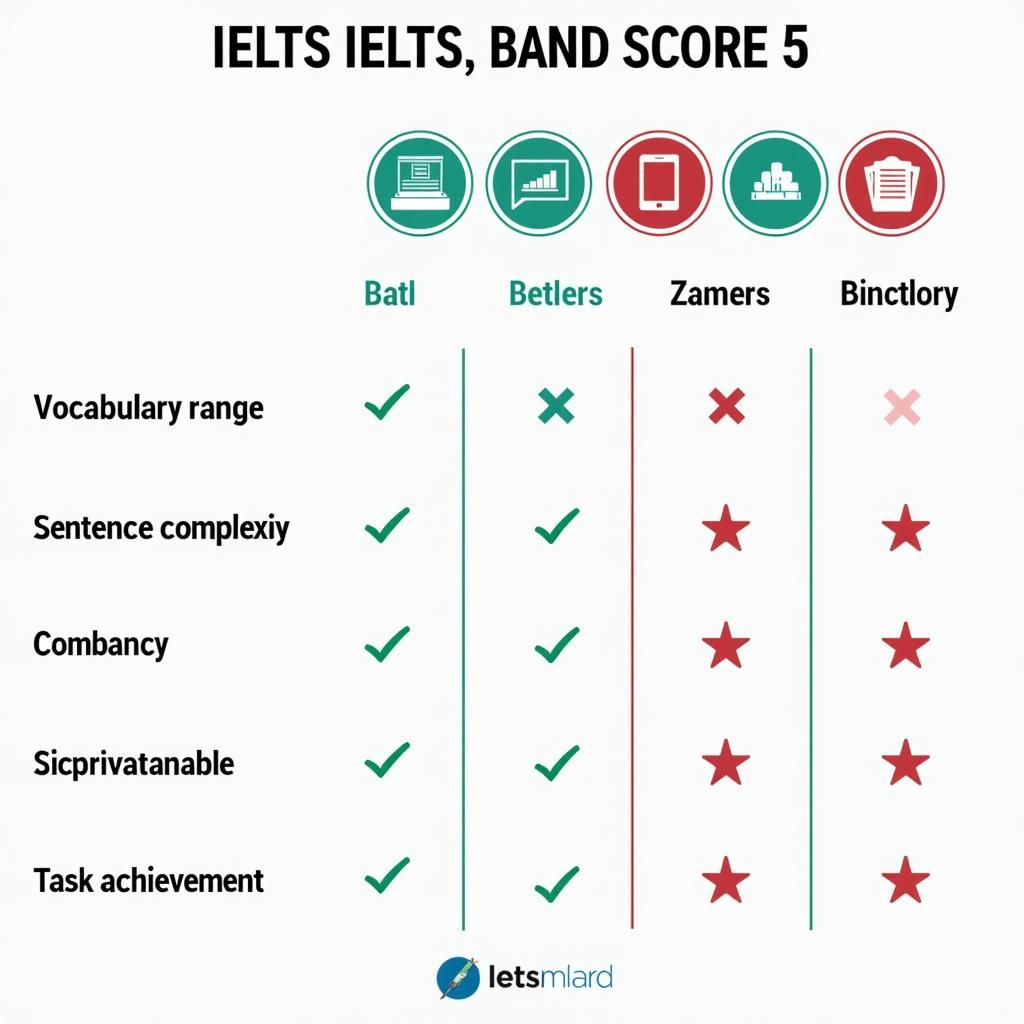 So sánh đặc điểm các mức band điểm IELTS Writing Task 2 về chủ đề nghệ thuật và văn hóa
Bài Mẫu Band 5-6
Bài viết Band 5-6 trả lời được câu hỏi cơ bản nhưng có nhiều hạn chế về phát triển ý, từ vựng hạn chế và có một số lỗi ngữ pháp ảnh hưởng đến độ rõ ràng. Đây là mức điểm phổ biến của nhiều học viên Việt Nam khi mới bắt đầu luyện thi.
Nowadays, some people think art is important for cultural identity but others think it is not important anymore in modern world. I will discuss both view and give my opinion.
First, art is very important for culture. Traditional art like music, dance and painting can show the culture of a country. For example, in my country Vietnam, we have traditional music and it show Vietnamese culture. When people see this art, they can understand about the culture. Art also help people to remember their history. If we don’t have art, we will forget our culture and history.
However, other people think art is not important now. Because modern people like modern things and they don’t like old art. Young people today like to watch movies and listen to pop music from other country. They don’t want to learn traditional art because it is boring for them. Also, art now is about business and money. Many artists just want to be famous and make money, they don’t care about culture.
In my opinion, I think art is still important for cultural identity. Even though young people like modern things, we still need traditional art to keep our culture. The government should teach young people about traditional art in school. This can help them to understand and love their culture more.
In conclusion, art have important role in showing cultural identity. Although there are some problem in modern time, we should try to keep traditional art alive.
Số từ: 263 từ
Phân Tích Band Điểm
| Tiêu chí | Band | Nhận xét |
|---|---|---|
| Task Response (Hoàn thành yêu cầu) | 5.5 | Bài viết trả lời được câu hỏi cơ bản và thảo luận cả hai quan điểm, nhưng việc phát triển ý rất hạn chế và superficial. Các luận điểm chỉ được nêu ra nhưng không được giải thích hoặc support đầy đủ. Ví dụ quá chung chung (“traditional music” mà không nêu cụ thể là loại nào). Position có nhưng không được justify thuyết phục. |
| Coherence & Cohesion (Mạch lạc & Liên kết) | 5.5 | Có cấu trúc cơ bản với intro, 2 body và conclusion, nhưng organization còn basic và mechanical. Thiếu topic sentences rõ ràng. Cohesive devices rất limited (First, However, Also, In conclusion) và sử dụng không luôn chính xác. Referencing nghèo nàn, nhiều chỗ lặp từ “art”, “culture” mà không có substitution. Progression của ideas không smooth. |
| Lexical Resource (Từ vựng) | 5.5 | Từ vựng rất hạn chế với nhiều repetition (“art”, “culture”, “important” xuất hiện quá nhiều). Thiếu collocations học thuật. Có một số lỗi word choice (“show” thay vì “represent/reflect”, “keep…alive” usage không tự nhiên). Range của vocabulary chỉ đủ để convey basic meaning. Không có less common vocabulary. |
| Grammatical Range & Accuracy (Ngữ pháp) | 5.5 | Chủ yếu sử dụng simple sentences với một số attempted complex structures nhưng có lỗi. Các lỗi ngữ pháp rõ rệt: thiếu article (“in modern world”), lỗi subject-verb agreement (“art help”, “art have”), lỗi plural/singular (“both view”), lỗi preposition. Tuy nhiên, các lỗi này không làm mất communication hoàn toàn. |
Những Lỗi Sai Của Bài – Phân Tích & Giải Thích
| Lỗi sai | Loại lỗi | Sửa lại | Giải thích |
|---|---|---|---|
| “in modern world” | Article | “in the modern world” | Cần có “the” trước “modern world” vì đây là danh từ xác định duy nhất. Đây là lỗi rất phổ biến của học viên Việt Nam vì tiếng Việt không có mạo từ. |
| “I will discuss both view” | Plural form | “I will discuss both views” | Sau “both” phải dùng danh từ số nhiều. “View” cần thêm “s” thành “views”. |
| “it show Vietnamese culture” | Subject-verb agreement | “it shows Vietnamese culture” | Chủ ngữ “it” (số ít) phải đi với động từ có “s”. Lỗi này xuất hiện khi học viên quên áp dụng quy tắc thêm s/es cho ngôi thứ ba số ít. |
| “art also help people” | Subject-verb agreement | “art also helps people” | Tương tự, “art” là danh từ không đếm được (singular) nên động từ phải là “helps”. |
| “from other country” | Plural form | “from other countries” | “Other” ám chỉ nhiều hơn một nên phải dùng “countries” số nhiều. |
| “art now is about business” | Word choice | “art nowadays focuses on business” hoặc “art has become commercialized” | “Is about” quá informal và không precise. Nên dùng cụm từ học thuật hơn để diễn đạt ý nghĩa. |
| “Even though…we still need” | Sentence structure | Câu đúng nhưng có thể improve thành: “Although young people are attracted to contemporary forms of entertainment, traditional art remains essential…” | Cấu trúc câu quá đơn giản, cần phát triển thành complex sentence với vocabulary tốt hơn. |
| “art have important role” | Subject-verb agreement & Article | “art has an important role” hoặc “art plays an important role” | Hai lỗi: thiếu article “an” trước “important role” và lỗi conjugation “have” → “has”. Nên dùng collocation “play a role” thay vì “have role”. |
| “some problem” | Plural form | “some problems” | Sau “some” (một vài) phải dùng danh từ số nhiều “problems”. |
| “we should try to keep traditional art alive” | Collocation | “we should strive to preserve traditional art forms” | “Try to keep alive” quá informal. Dùng “strive to preserve” và “art forms” thay vì chỉ “art” sẽ academic và precise hơn. |
Cách Cải Thiện Từ Band 6 Lên Band 7
1. Mở rộng và varied vocabulary:
- Thay vì lặp “important”: Sử dụng synonyms như crucial, significant, essential, vital, indispensable
- Thay vì lặp “show”: Dùng represent, reflect, illustrate, demonstrate, embody, convey
- Thay vì lặp “culture”: Dùng cultural heritage, cultural identity, traditions, cultural values
- Học collocations: preserve traditions, safeguard heritage, transmit values, maintain cultural continuity
2. Sử dụng complex sentences:
- Combine ideas: Thay vì “Art is important. It helps people remember history” → “Art plays a crucial role in helping people preserve their historical memory”
- Use subordinate clauses: “While some argue that…, others believe that…” thay vì “Some people think…but others think…”
- Employ relative clauses: “Traditional art forms, which have been passed down through generations, serve as repositories of cultural knowledge”
3. Phát triển ý tưởng đầy đủ hơn:
- PEEL structure cho mỗi paragraph: Point (luận điểm) → Explain (giải thích) → Example (ví dụ cụ thể) → Link (liên kết về câu hỏi)
- Thay vì chỉ nói “traditional music shows culture”, cần explain HOW it shows culture: “Traditional music encapsulates cultural values through its lyrics, which often narrate historical events, and its distinctive melodies, which reflect regional characteristics”
4. Sử dụng academic phrases và transitions:
- Introduction: “This essay will examine both perspectives before arguing that…” thay vì “I will discuss both views”
- Body paragraphs: “Those who advocate…”, “Proponents of this view argue…”, “Conversely…”, “On the contrary…”
- Conclusion: “In conclusion, while acknowledging that…” thay vì “In conclusion, art have…”
5. Cải thiện grammar accuracy:
- Review subject-verb agreement: Đặc biệt chú ý với uncountable nouns (art, music) và third person singular
- Master article usage: Học rules về khi nào dùng a/an/the và khi nào không dùng
- Practice complex structures: Conditional sentences, passive voice, participle phrases
6. Sử dụng ví dụ cụ thể và relevant:
- Thay vì “traditional music” → “đờn ca tài tử in Southern Vietnam” hoặc “quan họ Bắc Ninh”
- Thay vì “art in my country” → “Vietnamese lacquer painting, which dates back to the 15th century”
- Luôn explain tại sao ví dụ đó support luận điểm của bạn
7. Maintain consistency và coherence:
- Đảm bảo position của bạn clear và consistent từ introduction đến conclusion
- Mỗi body paragraph focus vào ONE main idea và develop nó thoroughly
- Use pronouns và synonyms để avoid repetition và create cohesion
8. Practice paraphrasing:
- Đọc đề bài và practice viết lại bằng nhiều cách khác nhau
- “plays a crucial role in” = “is essential for” = “serves as a vital means of” = “contributes significantly to”
Bằng cách áp dụng những cải thiện này một cách có hệ thống, học viên có thể nâng band điểm từ 5.5-6 lên 6.5-7 trong vòng 2-3 tháng luyện tập đều đặn.
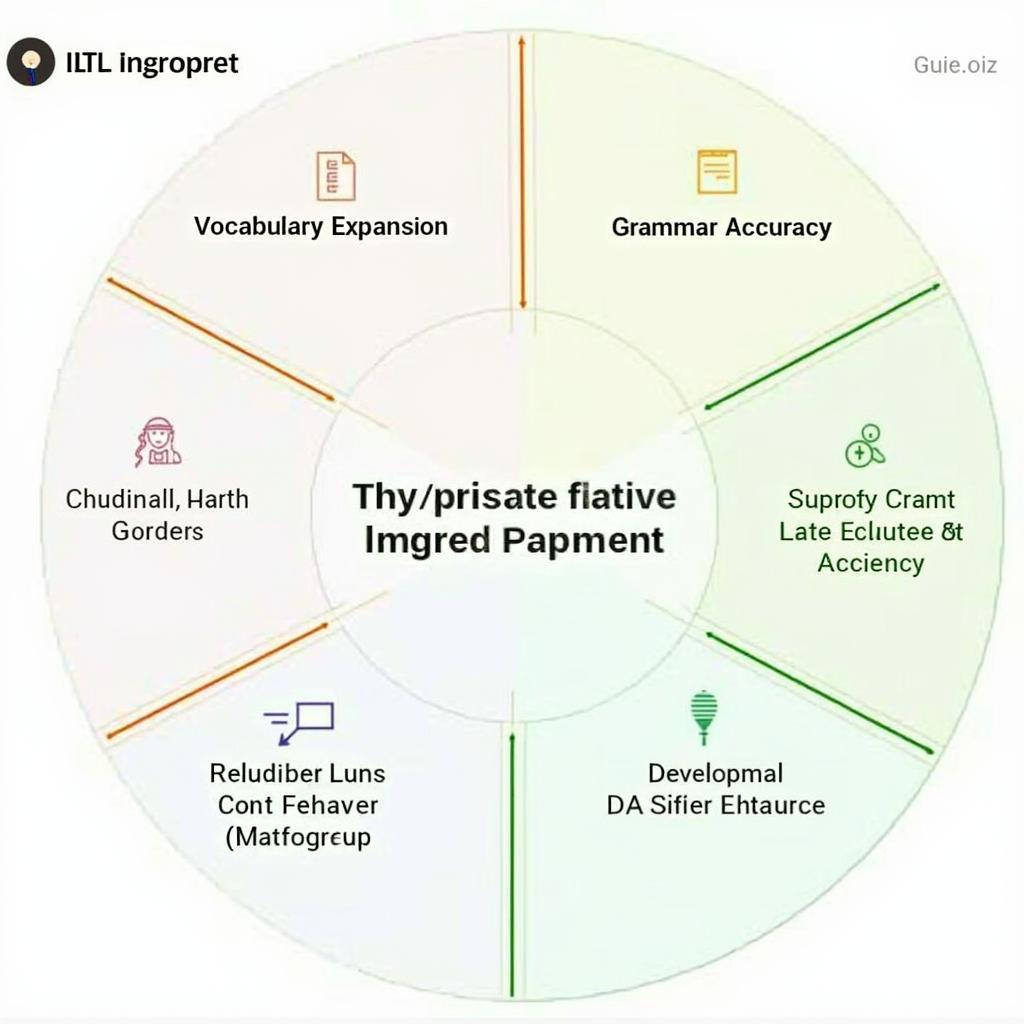 Các bước cải thiện điểm IELTS Writing Task 2 từ Band 6 lên Band 7
Từ Vựng Quan Trọng Cần Nhớ
| Từ/Cụm từ | Loại từ | Phiên âm | Nghĩa tiếng Việt | Ví dụ | Collocations |
|---|---|---|---|---|---|
| cultural identity | noun phrase | /ˈkʌltʃərəl aɪˈdentəti/ | bản sắc văn hóa | Art plays a vital role in preserving cultural identity across generations. | express/preserve/maintain/shape/strengthen cultural identity |
| tangible repository | noun phrase | /ˈtændʒəbl rɪˈpɒzətri/ | kho lưu trữ hữu hình | Traditional art forms serve as tangible repositories of ancestral wisdom. | tangible repository of knowledge/history/culture |
| ancestral wisdom | noun phrase | /ænˈsestrəl ˈwɪzdəm/ | trí tuệ tổ tiên | Indigenous art encapsulates ancestral wisdom that has been passed down for centuries. | preserve/transmit/embody ancestral wisdom |
| commercialization | noun | /kəˌmɜːʃəlaɪˈzeɪʃn/ | sự thương mại hóa | The commercialization of art has raised concerns about cultural authenticity. | rapid/increasing/excessive commercialization of art/culture |
| homogenization | noun | /həˌmɒdʒənaɪˈzeɪʃn/ | sự đồng nhất hóa | Cultural homogenization threatens the diversity of artistic expressions worldwide. | cultural/global homogenization, resist homogenization |
| encapsulate | verb | /ɪnˈkæpsjuleɪt/ | gói gọn, tóm tắt | Traditional paintings encapsulate the values and beliefs of a society. | encapsulate values/ideas/culture/essence |
| transmit | verb | /trænzˈmɪt/ | truyền tải, chuyển giao | Art transmits cultural knowledge from one generation to the next. | transmit knowledge/values/traditions/heritage |
| safeguard | verb | /ˈseɪfɡɑːd/ | bảo vệ, gìn giữ | Museums safeguard artistic treasures for future generations. | safeguard heritage/traditions/culture/interests |
| erode | verb | /ɪˈrəʊd/ | làm xói mòn, suy giảm | Globalization has gradually eroded traditional cultural practices. | gradually/significantly erode, erode values/traditions |
| reinterpret | verb | /ˌriːɪnˈtɜːprɪt/ | diễn giải lại | Contemporary artists reinterpret traditional motifs for modern audiences. | creatively/successfully reinterpret traditions/themes |
| cultural authenticity | noun phrase | /ˈkʌltʃərəl ˌɔːθenˈtɪsəti/ | tính xác thực văn hóa | Tourism often compromises cultural authenticity in pursuit of commercial gain. | maintain/preserve/lose/compromise cultural authenticity |
| leverage | verb | /ˈlevərɪdʒ/ | tận dụng, khai thác | Artists leverage digital platforms to reach global audiences. | leverage technology/resources/opportunities/platforms |
| indispensable | adjective | /ˌɪndɪˈspensəbl/ | không thể thiếu | Art remains indispensable to cultural preservation despite modern challenges. | absolutely/truly indispensable, indispensable role/part |
| ubiquity | noun | /juːˈbɪkwəti/ | sự phổ biến khắp nơi | The ubiquity of digital media has transformed how people consume art. | ubiquity of technology/media/smartphones |
| marginalize | verb | /ˈmɑːdʒɪnəlaɪz/ | đẩy ra lề, coi thường | Global art markets often marginalize culturally specific artistic expressions. | marginalize communities/groups/traditions/voices |
Cấu Trúc Câu Dễ “Ăn Điểm” Cao
1. Mệnh đề quan hệ không xác định (Non-defining relative clauses)
Công thức: Chủ ngữ + , which/who + verb + …, + động từ chính
Tại sao ghi điểm cao: Cấu trúc này cho phép thêm thông tin bổ sung một cách tự nhiên mà không tạo câu mới, thể hiện khả năng kết nối ý tưởng sophisticated. Đây là dấu hiệu của Band 7+.
Ví dụ từ bài Band 8-9:
Traditional art forms, such as Vietnamese water puppetry or Indonesian batik, serve as tangible repositories of historical narratives and ancestral wisdom that written records alone cannot fully capture.
Ví dụ bổ sung:
- Indigenous Australian artists continue to use dot painting techniques, which have preserved Dreamtime stories for millennia.
- Museums and cultural institutions, which attract millions of visitors annually, demonstrate art’s enduring appeal in expressing identity.
- Contemporary digital artists, who blend traditional motifs with modern technology, are creating new forms of cultural expression.
Lỗi thường gặp của học viên Việt Nam:
Quên dùng dấu phẩy (comma) trước “which/who” trong non-defining clauses, hoặc nhầm lẫn giữa defining và non-defining clauses. Ví dụ sai: “Artists who use traditional techniques are rare” (đúng – defining) vs “Artists, who use traditional techniques, are rare” (sai – non-defining làm thay đổi nghĩa).
2. Cụm phân từ (Participle phrases)
Công thức: Present participle (V-ing) + object/complement, chủ ngữ + động từ chính
Tại sao ghi điểm cao: Cấu trúc này giúp vary sentence beginnings, tạo sophisticated flow và thể hiện khả năng sử dụng reduced clauses – đặc điểm của writing Band 8+.
Ví dụ từ bài Band 8-9:
Moreover, contemporary artists frequently draw upon cultural motifs and themes, thereby reinterpreting traditional identities for modern audiences.
Ví dụ bổ sung:
- Recognizing the importance of cultural heritage, many governments have established programs to support traditional artists.
- Facing declining interest from younger generations, cultural institutions have adapted their approaches to engage modern audiences.
- Drawing inspiration from ancestral techniques, contemporary craftspeople create works that bridge past and present.
Lỗi thường gặp của học viên Việt Nam:
Dangling participles – khi chủ ngữ của participle phrase không match với chủ ngữ của main clause. Ví dụ sai: “Walking down the street, the art gallery was visible” (đúng: “Walking down the street, I could see the art gallery”).
3. Câu điều kiện phức tạp (Advanced conditionals)
Công thức: Were + S + to V / Should + S + V / Had + S + V3
Tại sao ghi điểm cao: Inversion trong conditional sentences là advanced grammar structure hiếm thấy ở Band 6, nhưng xuất hiện tự nhiên ở Band 8-9, thể hiện grammatical range.
Ví dụ từ bài Band 8-9:
Were traditional art forms to disappear completely, societies would lose irreplaceable connections to their historical roots.
Ví dụ bổ sung:
- Should governments fail to support cultural programs, many traditional art forms would face extinction.
- Had artists not adapted to digital platforms, their work would have remained inaccessible to global audiences.
- Were more educational institutions to incorporate art into their curricula, cultural awareness among young people would increase significantly.
Lỗi thường gặp của học viên Việt Nam:
Sử dụng cấu trúc đảo ngữ không đúng ngữ cảnh hoặc mix tenses sai trong conditional clauses. Ví dụ sai: “Were art important, it would have been supported” (không consistent về time frame).
4. Câu chẻ (Cleft sentences) – It is/was… that…
Công thức: It is/was + noun/noun phrase + that/who + verb…
Tại sao ghi điểm cao: Cleft sentences giúp emphasize thông tin quan trọng, thể hiện discourse management skills và khả năng direct reader’s attention strategically.
Ví dụ từ bài Band 8-9:
It is through artistic expression that communities maintain their distinct cultural identities in an increasingly globalized world.
Ví dụ bổ sung:
- It is the authenticity of traditional art forms that distinguishes them from commercialized reproductions.
- It was indigenous artists who first developed techniques for preserving cultural narratives through visual media.
- It is precisely this connection to heritage that makes art indispensable to cultural identity.
Lỗi thường gặp của học viên Việt Nam:
Overuse hoặc sử dụng cleft sentences ở những chỗ không cần emphasize, làm câu trở nên unnatural. Nên chỉ dùng khi thực sự muốn nhấn mạnh một element cụ thể.
5. Cấu trúc nhượng bộ phức tạp (Complex concession)
Công thức: While/Although + acknowledging/recognizing + noun phrase, S + V (main point)
Tại sao ghi điểm cao: Thể hiện critical thinking và ability to present balanced arguments – essential skill cho Discussion essays và Opinion essays ở Band 7+.
Ví dụ từ bài Band 8-9:
While I acknowledge the validity of concerns regarding commercialization, I believe art fundamentally retains its cultural significance, albeit in evolved forms.
Ví dụ bổ sung:
- Although recognizing the challenges posed by globalization, we must not underestimate art’s resilience in adapting to contemporary contexts.
- While accepting that younger generations prefer modern entertainment, traditional art continues to serve vital cultural functions.
- Despite acknowledging some erosion of traditional practices, the fundamental role of art in cultural expression remains largely intact.
Lỗi thường gặp của học viên Việt Nam:
Sử dụng “Although…but” trong cùng một câu (influence từ tiếng Việt “mặc dù…nhưng”). Trong tiếng Anh chỉ dùng một trong hai: “Although S+V, S+V” hoặc “S+V, but S+V”.
6. Passive voice với modal verbs
Công thức: Modal verb + be + past participle / Modal verb + have been + past participle
Tại sao ghi điểm cao: Passive với modals thể hiện ability to discuss possibilities, obligations và recommendations một cách academic và objective – quan trọng cho Task Response ở Band 7+.
Ví dụ từ bài Band 8-9:
Cultural authenticity should be balanced with contemporary relevance if traditional art is to remain meaningful to modern audiences.
Ví dụ bổ sung:
- Traditional art forms must be preserved through systematic documentation and educational programs.
- Greater financial support could be allocated to artists who work to maintain cultural heritage.
- The significance of art in expressing identity cannot be underestimated, even in highly modernized societies.
Lỗi thường gặp của học viên Việt Nam:
Quên “be” sau modal verb trong passive voice. Ví dụ sai: “Art should preserve” thay vì “Art should be preserved”. Đây là lỗi phổ biến vì trong tiếng Việt không có sự khác biệt tương tự.
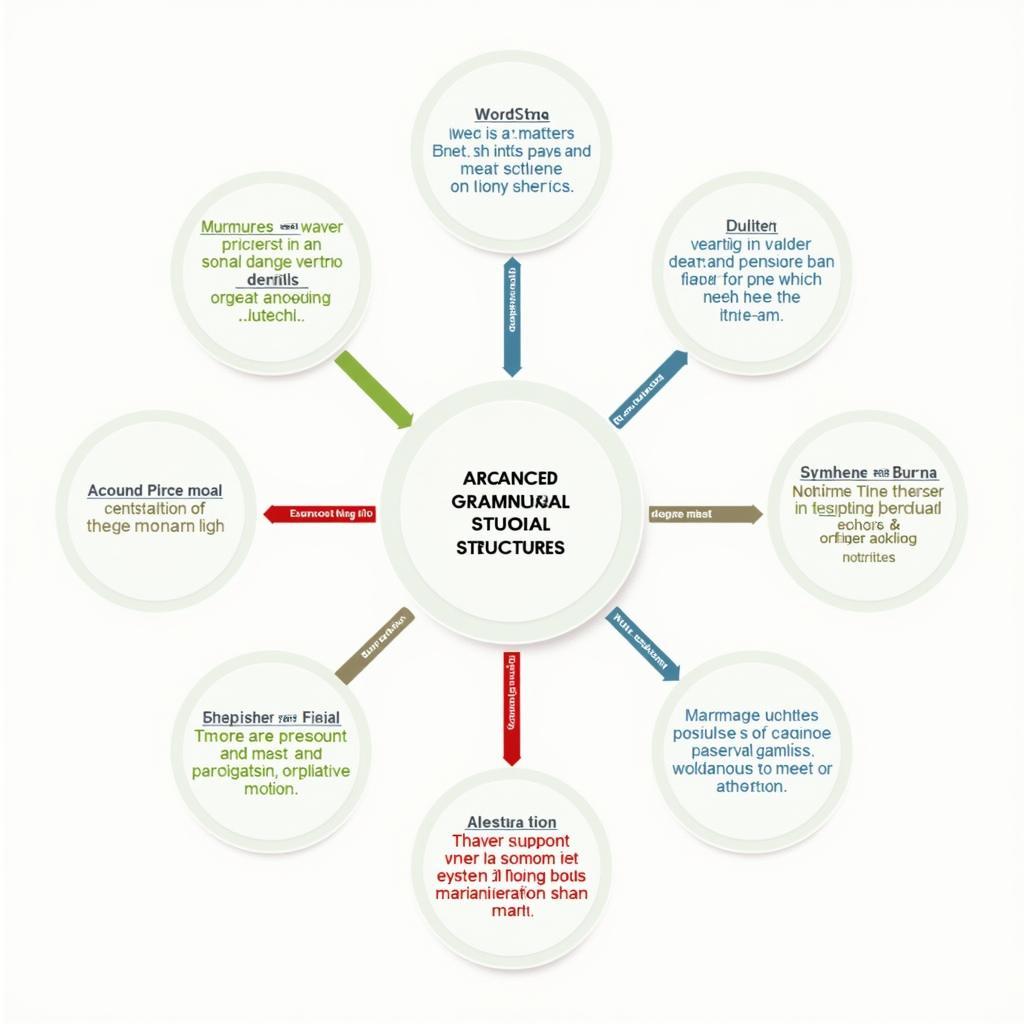 Các cấu trúc ngữ pháp giúp đạt band điểm cao trong IELTS Writing Task 2
Kết Bài
Qua bài viết này, chúng ta đã cùng nhau phân tích sâu chủ đề “the role of art in expressing cultural identity” – một topic quan trọng và thường xuyên xuất hiện trong IELTS Writing Task 2. Từ 3 bài mẫu ở các band điểm khác nhau (5-6, 6.5-7, và 8-9), bạn đã thấy được sự khác biệt rõ rệt về cách phát triển ý tưởng, sử dụng từ vựng, cấu trúc câu và duy trì coherence.
Những điểm quan trọng cần ghi nhớ:
Về Task Response: Bài Band 8-9 không chỉ trả lời câu hỏi mà còn demonstrate deep understanding với ví dụ cụ thể và phân tích sâu sắc. Hãy luôn đảm bảo position của bạn rõ ràng và consistent xuyên suốt bài viết.
Về Vocabulary: Đầu tư thời gian học collocations và academic phrases thay vì chỉ học từ đơn lẻ. Các cụm như “tangible repositories”, “cultural authenticity”, “encapsulate values” tạo nên sự khác biệt lớn giữa Band 6 và Band 8.
Về Grammar: Sử dụng đa dạng cấu trúc câu nhưng phải tự nhiên. 6 cấu trúc đã giới thiệu (non-defining relative clauses, participle phrases, advanced conditionals, cleft sentences, complex concession, passive with modals) là những tools mạnh mẽ, nhưng chỉ hiệu quả khi dùng đúng context.
Về Coherence: Liên kết ý tưởng một cách tinh tế bằng referencing, substitution và varied transitions thay vì chỉ dựa vào “Firstly, Secondly, Finally”.
Lộ trình cải thiện điểm số:
- Band 5-6 → 6.5-7: Focus vào fixing grammatical errors (đặc biệt article, subject-verb agreement), mở rộng vocabulary với synonyms và collocations, và develop ideas đầy đủ hơn với examples cụ thể.
- Band 6.5-7 → 8-9: Nâng cao sophistication của vocabulary và sentence structures, deepen analysis với critical thinking, và perfect coherence với subtle linking.
Hãy nhớ rằng, việc cải thiện IELTS Writing là một quá trình tích lũy. Đừng cố nhồi nhét quá nhiều advanced structures vào một bài viết nếu bạn chưa thực sự tự tin sử dụng chúng. Thay vào đó, practice consistently với một vài structures mỗi lần cho đến khi chúng trở nên tự nhiên. Viết ít nhất 2-3 bài mỗi tuần, nhờ giáo viên hoặc bạn học review, và học từ những lỗi sai của mình.
Chủ đề về art và cultural identity không chỉ quan trọng trong IELTS mà còn giúp bạn hiểu sâu hơn về vai trò của nghệ thuật trong xã hội đương đại – một kiến thức valuable cho cả academic study và personal development. Chúc bạn học tốt và đạt band điểm mong muốn!