Trong những năm gần đây, mental health awareness đã trở thành một chủ đề được quan tâm rộng rãi trong giáo dục toàn cầu. Chủ đề này xuất hiện ngày càng thường xuyên trong IELTS Reading với nhiều góc độ khác nhau: từ tác động của áp lực học tập đến vai trò của các chương trình hỗ trợ tâm lý trong trường học. Hiểu rõ về mental health awareness không chỉ giúp bạn chuẩn bị tốt cho kỳ thi IELTS mà còn cung cấp kiến thức hữu ích về một vấn đề xã hội quan trọng.
Bài viết này cung cấp một bộ đề thi IELTS Reading hoàn chỉnh gồm 3 passages với độ khó tăng dần từ Easy đến Hard. Bạn sẽ được luyện tập với đầy đủ các dạng câu hỏi phổ biến trong IELTS, kèm theo đáp án chi tiết và giải thích cụ thể cho từng câu. Bên cạnh đó, bài viết còn tổng hợp từ vựng quan trọng theo từng passage để giúp bạn mở rộng vốn từ vựng học thuật.
Đề thi này phù hợp với học viên có trình độ từ band 5.0 trở lên, đặc biệt hữu ích cho những bạn đang nhắm đến band điểm 6.5-7.5 và muốn làm quen với các chủ đề về giáo dục và sức khỏe tinh thần.
Hướng Dẫn Làm Bài IELTS Reading
Tổng Quan Về IELTS Reading Test
IELTS Reading Test kéo dài 60 phút và bao gồm 3 passages với tổng cộng 40 câu hỏi. Mỗi câu trả lời đúng được tính 1 điểm, không có điểm âm cho câu trả lời sai. Độ khó của các passages tăng dần từ Passage 1 đến Passage 3.
Phân bổ thời gian khuyến nghị:
- Passage 1 (Easy): 15-17 phút
- Passage 2 (Medium): 18-20 phút
- Passage 3 (Hard): 23-25 phút
Lưu ý dành 2-3 phút cuối để chuyển đáp án vào answer sheet và kiểm tra lại.
Các Dạng Câu Hỏi Trong Đề Này
Đề thi mẫu này bao gồm các dạng câu hỏi phổ biến nhất trong IELTS Reading:
- Multiple Choice – Câu hỏi trắc nghiệm
- True/False/Not Given – Xác định thông tin đúng/sai/không có trong bài
- Yes/No/Not Given – Xác định quan điểm tác giả
- Matching Headings – Nối tiêu đề với đoạn văn
- Sentence Completion – Hoàn thành câu
- Summary Completion – Hoàn thành đoạn tóm tắt
- Matching Features – Nối đặc điểm với thông tin
IELTS Reading Practice Test
PASSAGE 1 – Mental Health Support in Primary Schools
Độ khó: Easy (Band 5.0-6.5)
Thời gian đề xuất: 15-17 phút
Over the past decade, primary schools across many developed countries have begun to recognise the crucial importance of mental health awareness among young children. What was once considered solely the responsibility of parents and healthcare professionals is now increasingly seen as an integral part of the educational experience. This shift in perspective has led to the implementation of various programmes designed to support children’s emotional well-being from their earliest years in formal education.
The rationale behind introducing mental health support in primary schools is straightforward yet compelling. Research conducted by educational psychologists has demonstrated that children as young as five years old can experience anxiety, depression, and stress. These conditions, if left unaddressed, can significantly impact a child’s academic performance, social development, and overall quality of life. Dr. Emily Richardson, a child psychologist at Stanford University, notes that “early intervention is key to preventing more serious mental health issues in adolescence and adulthood.” By creating supportive environments in primary schools, educators can identify potential problems early and provide appropriate assistance.
One of the most widespread approaches to mental health support in primary education involves training teachers to recognise warning signs of emotional distress. Teachers spend considerable time with their students and are often the first to notice changes in behaviour, mood, or academic engagement. Through professional development programmes, educators learn to identify indicators such as social withdrawal, sudden changes in performance, excessive worry, or unexplained physical complaints. Once these signs are recognised, teachers can refer students to school counsellors or mental health specialists for further evaluation and support.
Many schools have also introduced age-appropriate curriculum focused on emotional literacy and resilience building. These programmes teach children to understand and express their emotions, develop coping strategies for stress, and build healthy relationships with peers. Activities might include storytelling sessions where characters face challenges and demonstrate problem-solving skills, mindfulness exercises adapted for young children, or group discussions about feelings and friendships. The goal is to normalise conversations about mental health and equip children with tools they can use throughout their lives.
Parental involvement represents another critical component of effective mental health support in primary schools. Schools increasingly recognise that sustainable improvements in children’s well-being require collaboration between educators and families. Many institutions now offer workshops and information sessions to help parents understand childhood mental health issues, recognise warning signs at home, and learn strategies for supporting their children. Some schools have established parent support groups where families can share experiences and advice in a confidential, non-judgmental environment.
The implementation of these programmes has not been without challenges. Funding constraints represent a significant obstacle, as hiring qualified mental health professionals and providing teacher training requires substantial financial investment. Additionally, some parents and community members have expressed concerns about the appropriateness of addressing mental health topics with young children, fearing it might introduce unnecessary worry or pathologise normal childhood emotions. Educators must navigate these concerns carefully, emphasising that mental health education aims to promote well-being rather than label or stigmatise children.
Despite these challenges, preliminary evidence suggests that mental health initiatives in primary schools yield positive outcomes. Schools that have implemented comprehensive support programmes report improvements in students’ emotional regulation, reduced behavioural problems, and better academic outcomes. Teachers note that creating a culture where mental health is openly discussed helps destigmatise these issues and encourages children to seek help when needed. Furthermore, students who develop emotional literacy skills in primary school appear better equipped to handle the increased pressures and complexities of secondary education.
Looking forward, advocates for children’s mental health emphasise the need for systemic change in how educational institutions approach student well-being. This includes not only expanding support services but also addressing underlying factors that contribute to mental health challenges, such as excessive academic pressure, bullying, and insufficient physical activity. The ultimate goal is to create educational environments where children feel safe, supported, and able to thrive both academically and emotionally, laying the foundation for healthy development throughout their lives.
 Hỗ trợ sức khỏe tinh thần học sinh tiểu học trong lớp học hiện đại
Questions 1-13
Questions 1-5: Multiple Choice
Choose the correct letter, A, B, C or D.
-
According to the passage, mental health in primary schools was previously considered
A. more important than academic subjects
B. primarily the duty of families and doctors
C. unnecessary for young children
D. a matter for secondary schools only -
What does Dr. Emily Richardson suggest about mental health intervention?
A. It should wait until adolescence
B. It is most effective when started early
C. It requires specialist facilities
D. It is too expensive for most schools -
Teachers receive training to help them
A. diagnose mental health conditions
B. replace school counsellors
C. notice signs of emotional problems
D. treat anxiety and depression -
Age-appropriate curriculum in primary schools focuses on
A. advanced psychological theories
B. medical terminology for mental illness
C. understanding emotions and building resilience
D. preparing children for therapy sessions -
What challenge do schools face when implementing mental health programmes?
A. Children refusing to participate
B. Limited financial resources
C. Teachers lacking interest
D. Excessive government regulation
Questions 6-9: True/False/Not Given
Do the following statements agree with the information given in the passage?
Write:
- TRUE if the statement agrees with the information
- FALSE if the statement contradicts the information
- NOT GIVEN if there is no information on this
- Children under five years old cannot experience mental health problems.
- Teachers are often the first people to observe changes in a child’s behaviour.
- All parents support mental health education in primary schools.
- Schools with mental health programmes report better academic results.
Questions 10-13: Sentence Completion
Complete the sentences below.
Choose NO MORE THAN TWO WORDS from the passage for each answer.
- Schools organise workshops to help parents recognise __ at home.
- Some community members worry that mental health education might __ normal childhood feelings.
- Students who learn emotional skills in primary school are better prepared for __ education.
- Advocates suggest schools should address problems like bullying and lack of __.
PASSAGE 2 – Adolescent Mental Health: Challenges in Secondary Education
Độ khó: Medium (Band 6.0-7.5)
Thời gian đề xuất: 18-20 phút
The transition from childhood to adolescence represents a period of profound psychological, physical, and social transformation, making secondary school students particularly vulnerable to mental health challenges. Recent epidemiological studies indicate that approximately one in five adolescents experiences a diagnosable mental health condition at some point during their teenage years, with anxiety disorders, depression, and eating disorders being among the most prevalent. This alarming statistic has prompted educational institutions, policymakers, and mental health professionals to reconsider how secondary schools can effectively support students’ psychological well-being while maintaining academic standards.
The unique stressors faced by secondary school students differ markedly from those encountered in primary education. Adolescents must navigate increasingly complex academic demands, including preparation for high-stakes examinations that can determine university admission and future career prospects. Simultaneously, they experience heightened social pressures, including concerns about peer acceptance, romantic relationships, body image, and identity formation. The proliferation of social media has intensified these pressures, creating a 24/7 environment where adolescents feel constantly connected yet often isolated and subject to cyberbullying or negative social comparison. Tương tự như How does social media influence body image and self-esteem?, hiện tượng này đang ảnh hưởng nghiêm trọng đến sức khỏe tinh thần của thanh thiếu niên toàn cầu.
Moreover, adolescence coincides with significant neurobiological development, particularly in brain regions associated with emotional regulation, impulse control, and risk assessment. The prefrontal cortex, responsible for executive functions such as planning and decision-making, continues developing well into the mid-twenties. This neurological immaturity, combined with hormonal fluctuations, can make adolescents particularly susceptible to mood disorders and impulsive behaviour. Understanding these developmental factors is crucial for educators seeking to implement age-appropriate mental health interventions in secondary schools.
In response to these challenges, many secondary schools have expanded their pastoral care systems and dedicated resources to student mental health support. Comprehensive approaches typically include several interconnected elements. First, schools employ qualified counsellors or psychologists who provide confidential individual or group therapy sessions for students experiencing difficulties. These professionals also conduct assessments to identify students requiring more intensive external support, facilitating referrals to community mental health services when necessary.
Second, peer support programmes have emerged as particularly effective interventions in secondary settings. These initiatives train selected students to provide emotional support, active listening, and basic guidance to their classmates, operating under professional supervision. Research indicates that adolescents often find it easier to discuss personal struggles with peers rather than adults, making peer support a valuable complement to professional services. Additionally, involvement in these programmes can enhance the wellbeing and interpersonal skills of the peer supporters themselves, creating reciprocal benefits.
Third, many schools have integrated mental health education into their formal curriculum, typically through personal development or health education classes. These lessons aim to increase students’ mental health literacy, helping them recognise symptoms of common disorders, understand available treatments, and reduce stigma associated with mental illness. Curriculum often includes practical strategies for stress management, such as time management techniques, relaxation exercises, and methods for developing healthy sleep habits and balanced lifestyles. Some schools have pioneered mindfulness-based programmes, teaching adolescents meditation and breathing techniques that research suggests can reduce anxiety and improve emotional regulation.
However, critics argue that current approaches remain insufficient given the magnitude of adolescent mental health needs. The có điểm tương đồng với The role of public health initiatives in disease prevention khi cả hai đều nhấn mạnh tầm quan trọng của việc phòng ngừa và can thiệp sớm trong việc giải quyết các vấn đề sức khỏe cộng đồng. Student-to-counsellor ratios in many schools far exceed recommended standards, meaning students may wait weeks or months for appointments during crisis periods. Furthermore, mental health services are often reactive rather than proactive, intervening only after problems become severe rather than focusing on prevention and early intervention. Resource constraints limit schools’ ability to provide adequate training for teachers, many of whom feel ill-equipped to address students’ mental health needs despite their frequent contact with them.
The COVID-19 pandemic has further exacerbated adolescent mental health challenges and highlighted deficiencies in school support systems. Lockdowns, remote learning, and social isolation contributed to significant increases in anxiety, depression, and eating disorders among teenagers. While schools have attempted to provide online counselling and support during closures, many students struggled to access these services due to privacy concerns at home or lack of technological resources. The pandemic experience has reinforced calls for more robust, sustainable mental health infrastructure in educational settings.
Looking ahead, experts emphasise the need for systemic reform that positions mental health as central rather than peripheral to educational mission. This includes adequate funding for professional support staff, comprehensive teacher training, evidence-based prevention programmes, and stronger links between schools and community mental health services. Some advocates propose a whole-school approach that considers how all aspects of school culture, policies, and practices impact student wellbeing, addressing issues such as academic pressure, competitive environments, and insufficient opportunities for physical activity and creative expression. Only through such comprehensive efforts can secondary schools adequately support adolescents through this critical developmental period.
Questions 14-26
Questions 14-18: Yes/No/Not Given
Do the following statements agree with the views of the writer in the passage?
Write:
- YES if the statement agrees with the views of the writer
- NO if the statement contradicts the views of the writer
- NOT GIVEN if it is impossible to say what the writer thinks about this
- Social media has made adolescent mental health problems worse.
- The prefrontal cortex is fully developed by age 18.
- Peer support programmes are more effective than professional counselling.
- Current mental health support in schools is inadequate for the level of need.
- Private schools provide better mental health support than public schools.
Questions 19-22: Matching Headings
The passage has eight paragraphs. Choose the correct heading for paragraphs C, E, F, and H from the list of headings below.
List of Headings:
i. The impact of brain development on adolescent behaviour
ii. Financial barriers to mental health support
iii. Training students to help each other
iv. Long-term solutions for school mental health
v. The role of standardised testing
vi. Increased pressures on modern teenagers
vii. Mental health curriculum in schools
viii. Professional counselling services in schools
- Paragraph C: __
- Paragraph E: __
- Paragraph F: __
- Paragraph H: __
Questions 23-26: Summary Completion
Complete the summary below.
Choose NO MORE THAN TWO WORDS from the passage for each answer.
Secondary school students face multiple challenges that affect their mental health. Academic pressures are increasing due to 23. __ that determine university entry. The development of the 24. __ continues into the twenties, making adolescents more prone to mood problems. Many schools now offer 25. __ where trained students support their classmates. However, the 26. __ between students and counsellors often exceeds recommended levels.
PASSAGE 3 – Integrating Mental Health Awareness into Educational Policy: A Systemic Perspective
Độ khó: Hard (Band 7.0-9.0)
Thời gian đề xuất: 23-25 phút
The recognition of mental health as a fundamental component of educational success rather than a peripheral concern represents a paradigmatic shift in contemporary educational discourse. This transformation reflects accumulating evidence that psychological wellbeing and academic achievement are intrinsically interconnected, with each domain significantly influencing the other. Consequently, progressive education systems worldwide are attempting to embed mental health awareness and support mechanisms within the very fabric of educational policy and practice, moving beyond ad hoc interventions toward comprehensive, systematic approaches that address both individual student needs and broader institutional cultures.
The theoretical underpinnings of this movement draw from diverse disciplines, including developmental psychology, neuroscience, public health, and educational theory. The biopsychosocial model of mental health, which recognises the complex interplay between biological, psychological, and social factors, provides a useful framework for understanding why educational settings represent such critical sites for mental health intervention. Schools and universities constitute environments where individuals spend substantial portions of their developmental years, making them strategic locations for both preventive measures and early intervention strategies. Furthermore, the social determinants of health perspective highlights how educational attainment itself influences lifelong mental health outcomes, creating a reciprocal relationship between education and psychological wellbeing that extends far beyond the immediate school years.
 Chính sách giáo dục về sức khỏe tinh thần tích hợp hệ thống
Empirical research substantiates the efficacy of school-based mental health programmes, though methodological challenges complicate definitive conclusions. A meta-analysis conducted by Weare and Nind examining over 150 studies found that universal school-based interventions targeting social and emotional skills demonstrated statistically significant improvements in students’ mental health, behaviour, and academic performance. However, the researchers cautioned that effect sizes varied considerably depending on programme design, implementation quality, and contextual factors. Longitudinal studies tracking students over multiple years suggest that benefits are most pronounced and enduring when interventions are sustained over time rather than delivered as short-term initiatives, and when they adopt a whole-school approach rather than targeting only high-risk individuals.
Despite this evidence base, translating research findings into effective policy and practice presents formidable challenges. The implementation science literature identifies numerous barriers to successful programme adoption, including insufficient funding, inadequate training for school staff, competing educational priorities, and resistance from stakeholders who view mental health education as beyond the purview of educational institutions. Đối với những ai quan tâm đến Cultural diversity in science and technology education, việc tích hợp các chương trình sức khỏe tinh thần cũng cần xem xét đến sự đa dạng văn hóa trong cách tiếp cận và thực hiện. Moreover, cultural variations in how mental health is conceptualised and discussed create additional complexities when designing programmes intended for diverse student populations. What constitutes appropriate mental health education in one cultural context may be perceived as inappropriate or ineffective in another, necessitating culturally responsive approaches that respect diverse perspectives while maintaining evidence-based foundations.
The concept of educational equity introduces further complexity to mental health policy development. Students from marginalised communities—including those experiencing poverty, racial discrimination, displacement, or family instability—face disproportionate mental health challenges yet often have the least access to support services. Some scholars argue that focusing solely on individual-level interventions, such as teaching coping skills or providing counselling, risks pathologising students while neglecting the structural inequalities that fundamentally shape mental health outcomes. From this critical perspective, authentic commitment to mental health in education requires not merely adding support services but fundamentally reimagining educational systems to reduce systemic stressors and promote inclusive, equitable learning environments where all students can flourish.
Teacher wellbeing represents another crucial yet frequently overlooked dimension of educational mental health policy. The occupational stress experienced by educators has been extensively documented, with high rates of burnout, anxiety, and depression reported internationally. This crisis in teacher mental health has profound implications for students, as educators’ psychological states inevitably influence classroom dynamics, instructional quality, and their capacity to support students’ emotional needs. Một ví dụ chi tiết về How is technology transforming global education systems? là việc các công nghệ mới có thể giúp giảm tải công việc cho giáo viên, từ đó cải thiện sức khỏe tinh thần của họ. Comprehensive mental health policies must therefore address the wellbeing of education professionals themselves, providing adequate support structures, manageable workloads, and professional development that equips teachers to manage the emotional demands of their profession without compromising their own mental health.
The economic implications of mental health investment in education remain contested, reflecting broader debates about how educational outcomes should be measured and valued. Cost-benefit analyses conducted by health economists suggest that early mental health interventions yield substantial long-term returns by reducing future healthcare costs, increasing workforce productivity, and decreasing social welfare dependency. The Organisation for Economic Co-operation and Development (OECD) estimates that mental health problems cost economies trillions of dollars annually in lost productivity and healthcare expenditure, with many conditions originating in childhood and adolescence. From this perspective, educational mental health programmes represent not merely compassionate responses to student distress but prudent economic investments with significant societal returns.
However, critics of this economistic framing argue that reducing mental health education to financial calculations fundamentally misconstrues its purpose and value. They contend that wellbeing constitutes an intrinsic educational aim rather than merely an instrumental means to academic or economic ends. This philosophical position holds that education should cultivate human flourishing in its fullest sense, encompassing emotional, social, and psychological development alongside intellectual growth. From this viewpoint, the question is not whether mental health initiatives demonstrably improve test scores or future earnings, but whether educational institutions are fulfilling their fundamental obligation to nurture the holistic development of young people.
As educational systems worldwide grapple with these complex considerations, several models have emerged as potentially transformative approaches. The Scottish Government’s framework emphasises mental health as everyone’s responsibility, embedding wellbeing indicators across educational standards and teacher competencies. Finland’s comprehensive approach integrates mental health professionals within multidisciplinary school teams alongside educational and social welfare staff. Australia’s national initiative combines universal resilience-building programmes with targeted interventions for vulnerable students, supported by substantial government funding and rigorous evaluation mechanisms. While contexts vary, these examples demonstrate that systemic integration of mental health awareness in education is achievable when accompanied by adequate resources, political commitment, and genuine cultural change within educational institutions. The challenge remains scaling such approaches globally while adapting them appropriately to diverse cultural, economic, and educational contexts.
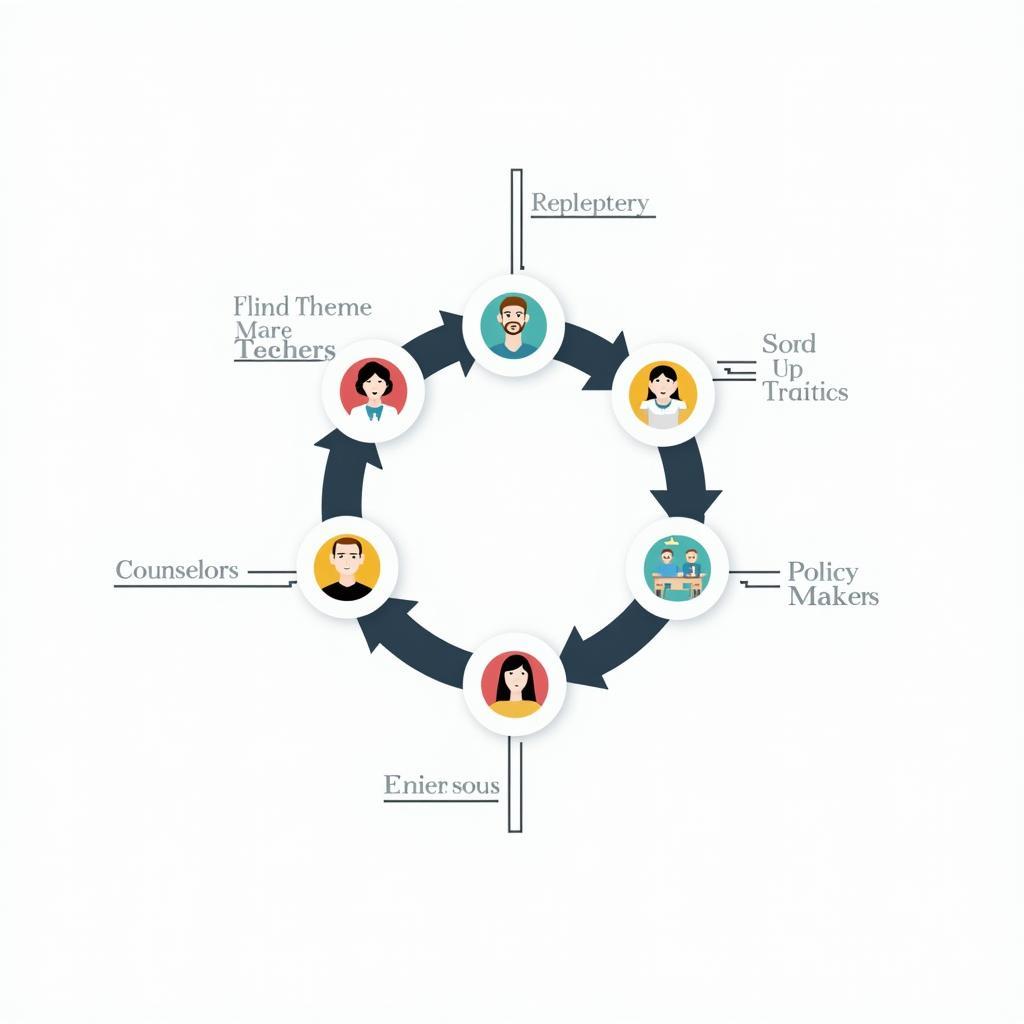 Mô hình tích hợp sức khỏe tinh thần trong chính sách giáo dục quốc gia
Questions 27-40
Questions 27-31: Multiple Choice
Choose the correct letter, A, B, C or D.
-
According to the passage, the biopsychosocial model suggests that
A. biological factors are more important than social factors
B. mental health results from interaction between multiple factors
C. schools should focus only on psychological interventions
D. social problems cannot be addressed in educational settings -
The meta-analysis by Weare and Nind found that
A. all school-based programmes were equally effective
B. short-term interventions produced the best results
C. universal interventions showed significant positive effects
D. only high-risk students benefited from programmes -
What does the passage say about cultural variations in mental health?
A. They are irrelevant to programme design
B. They make universal programmes impossible
C. They require culturally responsive approaches
D. They should be ignored in favour of evidence -
The critical perspective on mental health policy argues that
A. individual interventions are sufficient
B. structural inequalities must be addressed
C. support services are unnecessary
D. students should not learn coping skills -
According to health economists, mental health interventions
A. are too expensive to implement
B. only benefit individual students
C. provide significant long-term economic returns
D. should focus on workforce training
Questions 32-36: Matching Features
Match each country (A-C) with the correct approach to mental health in education (32-36).
Countries:
A. Scotland
B. Finland
C. Australia
- Includes mental health in teacher training standards
- Uses teams with professionals from different disciplines
- Combines prevention programmes with targeted support
- Makes wellbeing everyone’s responsibility
- Employs mental health specialists within school teams
Questions 37-40: Short-answer Questions
Answer the questions below.
Choose NO MORE THAN THREE WORDS from the passage for each answer.
- What type of relationship exists between education and mental health according to the social determinants perspective?
- What literature identifies barriers to successful programme adoption?
- What aspect of teacher wellbeing has been extensively documented internationally?
- What does comprehensive mental health policy need to address regarding teachers?
Answer Keys – Đáp Án
PASSAGE 1: Questions 1-13
- B
- B
- C
- C
- B
- FALSE
- TRUE
- FALSE
- TRUE
- warning signs
- pathologise
- secondary
- physical activity
PASSAGE 2: Questions 14-26
- YES
- NO
- NOT GIVEN
- YES
- NOT GIVEN
- i
- iii
- vii
- iv
- high-stakes examinations (hoặc high-stakes exams)
- prefrontal cortex
- peer support (programmes)
- student-to-counsellor ratios (hoặc ratios)
PASSAGE 3: Questions 27-40
- B
- C
- C
- B
- C
- A
- B
- C
- A
- B
- reciprocal relationship
- implementation science (literature)
- occupational stress
- teacher wellbeing (hoặc wellbeing of teachers/educators’ wellbeing)
Giải Thích Đáp Án Chi Tiết
Passage 1 – Giải Thích
Câu 1: B
- Dạng câu hỏi: Multiple Choice
- Từ khóa: mental health in primary schools, previously considered
- Vị trí trong bài: Đoạn 1, dòng 2-3
- Giải thích: Bài đọc nói rõ “What was once considered solely the responsibility of parents and healthcare professionals” (Điều từng được coi là trách nhiệm riêng của cha mẹ và các chuyên gia y tế). Đây là paraphrase của đáp án B “primarily the duty of families and doctors” (chủ yếu là trách nhiệm của gia đình và bác sĩ).
Câu 2: B
- Dạng câu hỏi: Multiple Choice
- Từ khóa: Dr. Emily Richardson, mental health intervention
- Vị trí trong bài: Đoạn 2, dòng 5-6
- Giải thích: Dr. Richardson được trích dẫn: “early intervention is key to preventing more serious mental health issues” (can thiệp sớm là chìa khóa để ngăn ngừa các vấn đề sức khỏe tinh thần nghiêm trọng hơn). Điều này khớp với đáp án B “most effective when started early”.
Câu 3: C
- Dạng câu hỏi: Multiple Choice
- Từ khóa: teachers receive training
- Vị trí trong bài: Đoạn 3, dòng 1-5
- Giải thích: Đoạn văn nói “training teachers to recognise warning signs” và “educators learn to identify indicators such as social withdrawal, sudden changes in performance”. Giáo viên được đào tạo để nhận biết dấu hiệu, không phải để chẩn đoán hay điều trị. Đáp án C “notice signs of emotional problems” là chính xác.
Câu 6: FALSE
- Dạng câu hỏi: True/False/Not Given
- Từ khóa: children under five, mental health problems
- Vị trí trong bài: Đoạn 2, dòng 2-3
- Giải thích: Bài viết nói “children as young as five years old can experience anxiety, depression, and stress” (trẻ em trẻ nhất đến năm tuổi có thể trải qua lo âu, trầm cảm và căng thẳng). Điều này mâu thuẫn trực tiếp với câu phát biểu. Đáp án: FALSE.
Câu 7: TRUE
- Dạng câu hỏi: True/False/Not Given
- Từ khóa: teachers, first to observe, changes in behaviour
- Vị trí trong bài: Đoạn 3, dòng 2-3
- Giải thích: “Teachers spend considerable time with their students and are often the first to notice changes in behaviour” (Giáo viên dành nhiều thời gian với học sinh và thường là người đầu tiên nhận thấy thay đổi trong hành vi). Câu phát biểu khớp hoàn toàn.
Câu 9: TRUE
- Dạng câu hỏi: True/False/Not Given
- Từ khóa: schools with mental health programmes, academic results
- Vị trí trong bài: Đoạn 7, dòng 2-3
- Giải thích: “Schools that have implemented comprehensive support programmes report improvements in students’ emotional regulation, reduced behavioural problems, and better academic outcomes.” Bài viết nêu rõ kết quả học tập tốt hơn.
Câu 10: warning signs
- Dạng câu hỏi: Sentence Completion
- Từ khóa: workshops, parents recognise, at home
- Vị trí trong bài: Đoạn 5, dòng 3-4
- Giải thích: “offer workshops and information sessions to help parents understand childhood mental health issues, recognise warning signs at home”. Từ cần điền là “warning signs”.
Câu 13: physical activity
- Dạng câu hỏi: Sentence Completion
- Từ khóa: advocates, address problems, bullying, lack of
- Vị trí trong bài: Đoạn 8, dòng 3-5
- Giải thích: “addressing underlying factors that contribute to mental health challenges, such as excessive academic pressure, bullying, and insufficient physical activity”. Đáp án: “physical activity”.
Passage 2 – Giải Thích
Câu 14: YES
- Dạng câu hỏi: Yes/No/Not Given
- Từ khóa: social media, adolescent mental health, worse
- Vị trí trong bài: Đoạn B, dòng 5-8
- Giải thích: Tác giả nêu rõ “The proliferation of social media has intensified these pressures, creating a 24/7 environment where adolescents feel constantly connected yet often isolated and subject to cyberbullying or negative social comparison.” Đây là quan điểm của tác giả cho thấy social media làm tình trạng tồi tệ hơn.
Câu 15: NO
- Dạng câu hỏi: Yes/No/Not Given
- Từ khóa: prefrontal cortex, fully developed, age 18
- Vị trí trong bài: Đoạn C, dòng 2-3
- Giải thích: “The prefrontal cortex, responsible for executive functions such as planning and decision-making, continues developing well into the mid-twenties.” Bài viết nói rõ vùng này phát triển đến giữa độ tuổi 20, không phải 18. Đáp án: NO.
Câu 17: YES
- Dạng câu hỏi: Yes/No/Not Given
- Từ khóa: current support, inadequate, level of need
- Vị trí trong bài: Đoạn G, dòng 1-2
- Giải thích: “However, critics argue that current approaches remain insufficient given the magnitude of adolescent mental health needs.” Tác giả đồng ý với quan điểm này thông qua việc trình bày các bằng chứng trong đoạn văn.
Câu 19: i (The impact of brain development on adolescent behaviour)
- Dạng câu hỏi: Matching Headings
- Vị trí: Paragraph C
- Giải thích: Đoạn C tập trung vào “neurobiological development” và giải thích cách phát triển não bộ, đặc biệt là prefrontal cortex, ảnh hưởng đến emotional regulation, impulse control và susceptibility to mood disorders của thanh thiếu niên.
Câu 20: iii (Training students to help each other)
- Dạng câu hỏi: Matching Headings
- Vị trí: Paragraph E
- Giải thích: Đoạn E nói về “peer support programmes” trong đó “These initiatives train selected students to provide emotional support, active listening, and basic guidance to their classmates”.
Câu 23: high-stakes examinations
- Dạng câu hỏi: Summary Completion
- Từ khóa: academic pressures, university entry
- Vị trí trong bài: Đoạn B, dòng 2-3
- Giải thích: “preparation for high-stakes examinations that can determine university admission and future career prospects”. Đáp án: “high-stakes examinations” hoặc “high-stakes exams”.
Câu 24: prefrontal cortex
- Dạng câu hỏi: Summary Completion
- Từ khóa: development, continues into twenties
- Vị trí trong bài: Đoạn C, dòng 2-3
- Giải thích: “The prefrontal cortex, responsible for executive functions such as planning and decision-making, continues developing well into the mid-twenties.”
Passage 3 – Giải Thích
Câu 27: B
- Dạng câu hỏi: Multiple Choice
- Từ khóa: biopsychosocial model
- Vị trí trong bài: Đoạn B, dòng 2-3
- Giải thích: “The biopsychosocial model of mental health, which recognises the complex interplay between biological, psychological, and social factors” – mô hình này nhấn mạnh sự tương tác phức tạp giữa nhiều yếu tố. Đáp án B chính xác.
Câu 28: C
- Dạng câu hỏi: Multiple Choice
- Từ khóa: meta-analysis, Weare and Nind
- Vị trí trong bài: Đoạn C, dòng 2-4
- Giải thích: “universal school-based interventions targeting social and emotional skills demonstrated statistically significant improvements in students’ mental health, behaviour, and academic performance.” Đáp án C đúng.
Câu 29: C
- Dạng câu hỏi: Multiple Choice
- Từ khóa: cultural variations
- Vị trí trong bài: Đoạn D, dòng 4-7
- Giải thích: Bài viết nói “cultural variations in how mental health is conceptualised and discussed create additional complexities” và “necessitating culturally responsive approaches”. Đáp án C chính xác.
Câu 30: B
- Dạng câu hỏi: Multiple Choice
- Từ khóa: critical perspective
- Vị trí trong bài: Đoạn E, dòng 5-8
- Giải thích: “Some scholars argue that focusing solely on individual-level interventions… risks pathologising students while neglecting the structural inequalities that fundamentally shape mental health outcomes.” Critical perspective yêu cầu giải quyết bất bình đẳng cấu trúc.
Câu 31: C
- Dạng câu hỏi: Multiple Choice
- Từ khóa: health economists, mental health interventions
- Vị trí trong bài: Đoạn G, dòng 2-4
- Giải thích: “Cost-benefit analyses conducted by health economists suggest that early mental health interventions yield substantial long-term returns by reducing future healthcare costs, increasing workforce productivity, and decreasing social welfare dependency.”
Câu 32-36: Matching Features
32. A (Scotland) – “mental health in teacher training standards”
- Vị trí: Đoạn I, dòng 2-3: “The Scottish Government’s framework emphasises mental health as everyone’s responsibility, embedding wellbeing indicators across educational standards and teacher competencies.”
33. B (Finland) – “teams with professionals from different disciplines”
- Vị trí: Đoạn I, dòng 3-4: “Finland’s comprehensive approach integrates mental health professionals within multidisciplinary school teams alongside educational and social welfare staff.”
34. C (Australia) – “prevention programmes with targeted support”
- Vị trí: Đoạn I, dòng 4-5: “Australia’s national initiative combines universal resilience-building programmes with targeted interventions for vulnerable students.”
35. A (Scotland) – “wellbeing everyone’s responsibility”
- Vị trí: Đoạn I, dòng 2: “The Scottish Government’s framework emphasises mental health as everyone’s responsibility.”
36. B (Finland) – “mental health specialists within school teams”
- Vị trí: Đoạn I, dòng 3-4: “Finland’s comprehensive approach integrates mental health professionals within multidisciplinary school teams.”
Câu 37: reciprocal relationship
- Dạng câu hỏi: Short-answer Questions
- Từ khóa: social determinants perspective, education and mental health
- Vị trí trong bài: Đoạn B, dòng 6-8
- Giải thích: “educational attainment itself influences lifelong mental health outcomes, creating a reciprocal relationship between education and psychological wellbeing”.
Câu 38: implementation science (literature)
- Dạng câu hỏi: Short-answer Questions
- Từ khóa: identifies barriers, programme adoption
- Vị trí trong bài: Đoạn D, dòng 2
- Giải thích: “The implementation science literature identifies numerous barriers to successful programme adoption”.
Câu 39: occupational stress
- Dạng câu hỏi: Short-answer Questions
- Từ khóa: teacher wellbeing, documented internationally
- Vị trí trong bài: Đoạn F, dòng 2-3
- Giải thích: “The occupational stress experienced by educators has been extensively documented, with high rates of burnout, anxiety, and depression reported internationally.”
Câu 40: teacher wellbeing / wellbeing of teachers / educators’ wellbeing
- Dạng câu hỏi: Short-answer Questions
- Từ khóa: comprehensive policy, address, teachers
- Vị trí trong bài: Đoạn F, dòng 6-7
- Giải thích: “Comprehensive mental health policies must therefore address the wellbeing of education professionals themselves”.
Từ Vựng Quan Trọng Theo Passage
Passage 1 – Essential Vocabulary
| Từ vựng | Loại từ | Phiên âm | Nghĩa tiếng Việt | Ví dụ từ bài | Collocation |
|---|---|---|---|---|---|
| integral | adj | /ˈɪntɪɡrəl/ | thiết yếu, không thể thiếu | an integral part of the educational experience | integral part, integral component |
| rationale | n | /ˌræʃəˈnɑːl/ | lý do, cơ sở lý luận | The rationale behind introducing mental health support | provide/give a rationale |
| early intervention | n phrase | /ˈɜːli ˌɪntəˈvenʃn/ | can thiệp sớm | early intervention is key to preventing | early intervention strategy |
| emotional distress | n phrase | /ɪˈməʊʃənl dɪˈstres/ | đau khổ về tinh thần | recognise warning signs of emotional distress | experience emotional distress |
| social withdrawal | n phrase | /ˈsəʊʃl wɪðˈdrɔːəl/ | rút lui khỏi xã hội | indicators such as social withdrawal | signs of social withdrawal |
| resilience building | n phrase | /rɪˈzɪliəns ˈbɪldɪŋ/ | xây dựng khả năng phục hồi | curriculum focused on resilience building | resilience building activities |
| coping strategies | n phrase | /ˈkəʊpɪŋ ˈstrætədʒiz/ | chiến lược đối phó | develop coping strategies for stress | effective coping strategies |
| mindfulness exercises | n phrase | /ˈmaɪndfəlnəs ˈeksəsaɪzɪz/ | bài tập tỉnh thức | mindfulness exercises adapted for young children | practice mindfulness exercises |
| parental involvement | n phrase | /pəˈrentl ɪnˈvɒlvmənt/ | sự tham gia của phụ huynh | Parental involvement represents another critical component | increase parental involvement |
| funding constraints | n phrase | /ˈfʌndɪŋ kənˈstreɪnts/ | hạn chế về tài chính | Funding constraints represent a significant obstacle | face funding constraints |
| destigmatise | v | /diːˈstɪɡmətaɪz/ | xóa bỏ kỳ thị | helps destigmatise these issues | destigmatise mental health |
| systemic change | n phrase | /sɪˈstemɪk tʃeɪndʒ/ | thay đổi toàn hệ thống | need for systemic change | implement systemic change |
Passage 2 – Essential Vocabulary
| Từ vựng | Loại từ | Phiên âm | Nghĩa tiếng Việt | Ví dụ từ bài | Collocation |
|---|---|---|---|---|---|
| vulnerable | adj | /ˈvʌlnərəbl/ | dễ bị tổn thương | particularly vulnerable to mental health challenges | vulnerable population, vulnerable groups |
| diagnosable | adj | /ˌdaɪəɡˈnəʊzəbl/ | có thể chẩn đoán | a diagnosable mental health condition | diagnosable condition, diagnosable disorder |
| proliferation | n | /prəˌlɪfəˈreɪʃn/ | sự gia tăng nhanh chóng | The proliferation of social media | proliferation of technology |
| cyberbullying | n | /ˈsaɪbəbʊliɪŋ/ | bắt nạt trên mạng | subject to cyberbullying or negative social comparison | experience cyberbullying |
| neurobiological | adj | /ˌnjʊərəʊbaɪəˈlɒdʒɪkl/ | thuộc thần kinh sinh học | significant neurobiological development | neurobiological factors |
| impulse control | n phrase | /ˈɪmpʌls kənˈtrəʊl/ | kiểm soát xung động | brain regions associated with impulse control | poor impulse control |
| susceptible | adj | /səˈseptəbl/ | dễ mắc phải | particularly susceptible to mood disorders | susceptible to infection/disease |
| pastoral care | n phrase | /ˈpɑːstərəl keə(r)/ | chăm sóc tinh thần học sinh | expanded their pastoral care systems | provide pastoral care |
| peer support | n phrase | /pɪə(r) səˈpɔːt/ | hỗ trợ từ bạn bè | peer support programmes have emerged | peer support groups |
| active listening | n phrase | /ˈæktɪv ˈlɪsnɪŋ/ | lắng nghe tích cực | provide emotional support, active listening | practice active listening |
| mental health literacy | n phrase | /ˈmentl helθ ˈlɪtərəsi/ | hiểu biết về sức khỏe tinh thần | increase students’ mental health literacy | improve mental health literacy |
| stigma | n | /ˈstɪɡmə/ | sự kỳ thị | reduce stigma associated with mental illness | reduce/combat stigma |
| stress management | n phrase | /stres ˈmænɪdʒmənt/ | quản lý căng thẳng | practical strategies for stress management | stress management techniques |
| exacerbated | v | /ɪɡˈzæsəbeɪtɪd/ | làm trầm trọng hơn | The COVID-19 pandemic has further exacerbated | exacerbate the problem |
| whole-school approach | n phrase | /həʊl skuːl əˈprəʊtʃ/ | cách tiếp cận toàn trường | propose a whole-school approach | adopt a whole-school approach |
Passage 3 – Essential Vocabulary
| Từ vựng | Loại từ | Phiên âm | Nghĩa tiếng Việt | Ví dụ từ bài | Collocation |
|---|---|---|---|---|---|
| paradigmatic shift | n phrase | /ˌpærədɪɡˈmætɪk ʃɪft/ | thay đổi mô thức cơ bản | represents a paradigmatic shift | undergo a paradigmatic shift |
| intrinsically | adv | /ɪnˈtrɪnsɪkli/ | về bản chất, vốn có | intrinsically interconnected | intrinsically motivated |
| ad hoc | adj/adv | /ˌæd ˈhɒk/ | tạm thời, không có hệ thống | moving beyond ad hoc interventions | ad hoc measures, ad hoc committee |
| biopsychosocial model | n phrase | /ˌbaɪəʊˌsaɪkəʊˈsəʊʃl ˈmɒdl/ | mô hình sinh-tâm-xã hội | The biopsychosocial model of mental health | apply the biopsychosocial model |
| social determinants | n phrase | /ˈsəʊʃl dɪˈtɜːmɪnənts/ | yếu tố quyết định xã hội | the social determinants of health perspective | social determinants of health |
| reciprocal relationship | n phrase | /rɪˈsɪprəkl rɪˈleɪʃnʃɪp/ | mối quan hệ tương hỗ | creating a reciprocal relationship | establish a reciprocal relationship |
| meta-analysis | n | /ˌmetəəˈnæləsɪs/ | phân tích tổng hợp | A meta-analysis conducted by Weare and Nind | conduct a meta-analysis |
| efficacy | n | /ˈefɪkəsi/ | hiệu quả, hiệu lực | substantiates the efficacy of school-based programmes | demonstrate efficacy |
| effect sizes | n phrase | /ɪˈfekt saɪzɪz/ | độ lớn tác động | effect sizes varied considerably | measure effect sizes |
| longitudinal studies | n phrase | /ˌlɒndʒɪˈtjuːdɪnl ˈstʌdiz/ | nghiên cứu dọc | Longitudinal studies tracking students | conduct longitudinal studies |
| implementation science | n phrase | /ˌɪmplɪmenˈteɪʃn ˈsaɪəns/ | khoa học triển khai | The implementation science literature | implementation science research |
| purview | n | /ˈpɜːvjuː/ | phạm vi thẩm quyền | beyond the purview of educational institutions | within/outside the purview |
| culturally responsive | adj phrase | /ˈkʌltʃərəli rɪˈspɒnsɪv/ | nhạy cảm văn hóa | necessitating culturally responsive approaches | culturally responsive teaching |
| marginalised communities | n phrase | /ˈmɑːdʒɪnəlaɪzd kəˈmjuːnətiz/ | cộng đồng bị thiệt thòi | Students from marginalised communities | support marginalised communities |
| pathologising | v | /pəˈθɒlədʒaɪzɪŋ/ | bệnh lý hóa | risks pathologising students | avoid pathologising behaviour |
| structural inequalities | n phrase | /ˈstrʌktʃərəl ˌɪnɪˈkwɒlətiz/ | bất bình đẳng cấu trúc | neglecting the structural inequalities | address structural inequalities |
| occupational stress | n phrase | /ˌɒkjuˈpeɪʃənl stres/ | căng thẳng nghề nghiệp | The occupational stress experienced by educators | reduce occupational stress |
| burnout | n | /ˈbɜːnaʊt/ | kiệt sức | high rates of burnout, anxiety, and depression | suffer from burnout |
| cost-benefit analyses | n phrase | /kɒst ˈbenɪfɪt əˈnæləsɪz/ | phân tích chi phí-lợi ích | Cost-benefit analyses conducted by health economists | perform cost-benefit analyses |
| economistic framing | n phrase | /ˌiːkənəˈmɪstɪk ˈfreɪmɪŋ/ | khung nhìn kinh tế | critics of this economistic framing | reject economistic framing |
| intrinsic educational aim | n phrase | /ɪnˈtrɪnsɪk ˌedjuˈkeɪʃənl eɪm/ | mục tiêu giáo dục nội tại | wellbeing constitutes an intrinsic educational aim | pursue intrinsic educational aims |
| grapple | v | /ˈɡræpl/ | vật lộn, đối mặt | As educational systems worldwide grapple | grapple with challenges |
| multidisciplinary | adj | /ˌmʌltidɪsəˈplɪnəri/ | đa ngành | integrates professionals within multidisciplinary school teams | multidisciplinary approach |
| scaling | v/n | /ˈskeɪlɪŋ/ | mở rộng quy mô | The challenge remains scaling such approaches | scaling up interventions |
Kết Luận
Chủ đề The Role Of Mental Health Awareness In Education đã trở thành một phần quan trọng trong đề thi IELTS Reading những năm gần đây, phản ánh tầm quan trọng ngày càng tăng của vấn đề này trong xã hội hiện đại. Bộ đề thi mẫu này đã cung cấp cho bạn trải nghiệm hoàn chỉnh với 3 passages có độ khó tăng dần, bao gồm đầy đủ các dạng câu hỏi phổ biến trong kỳ thi thật.
Passage 1 giới thiệu các khái niệm cơ bản về hỗ trợ sức khỏe tinh thần ở bậc tiểu học với ngôn ngữ dễ tiếp cận, phù hợp với band 5.0-6.5. Passage 2 đi sâu hơn vào các thách thức phức tạp ở cấp trung học, yêu cầu kỹ năng đọc hiểu và paraphrase ở mức 6.0-7.5. Passage 3 mang tính học thuật cao, phân tích góc độ chính sách và hệ thống với từ vựng chuyên ngành, thích hợp cho band 7.0-9.0.
Đáp án chi tiết kèm giải thích cụ thể sẽ giúp bạn hiểu rõ cách tìm thông tin trong bài, nhận biết paraphrase và áp dụng chiến lược làm bài hiệu quả. Bảng từ vựng tổng hợp theo từng passage cung cấp những từ học thuật quan trọng mà bạn có thể gặp lại trong các đề thi khác.
Hãy luyện tập bài test này trong điều kiện thi thật (60 phút, không tra từ điển) để đánh giá chính xác trình độ hiện tại và xác định những điểm cần cải thiện. Để hiểu rõ hơn về các vấn đề liên quan đến giáo dục và công nghệ trong bối cảnh toàn cầu, bạn có thể tham khảo thêm về Impact of digital technology on global communications và cách nó ảnh hưởng đến sức khỏe tinh thần của học sinh. Chúc bạn đạt được band điểm mục tiêu trong kỳ thi IELTS sắp tới!