
Trong bối cảnh toàn cầu hóa và đa văn hóa ngày càng trở nên quan trọng, chủ đề về giáo dục đa dạng văn hóa và việc sử dụng công nghệ trong giảng dạy thường xuyên xuất hiện trong kỳ thi IELTS Reading. Đặc biệt, các bài đọc liên quan đến phương pháp giảng dạy hiện đại, công nghệ giáo dục, và tính đa dạng văn hóa đã được ghi nhận trong nhiều đề thi IELTS Academic từ 2019 đến nay.
Bài viết này cung cấp một bộ đề thi IELTS Reading hoàn chỉnh về chủ đề “The Use Of Animation In Teaching Cultural Diversity” với đầy đủ 3 passages theo đúng cấu trúc và độ khó của kỳ thi thật. Bạn sẽ được trải nghiệm:
- Ba passages hoàn chỉnh từ mức độ Easy đến Hard, với tổng cộng 2,400 từ
- 40 câu hỏi đa dạng bao gồm Multiple Choice, True/False/Not Given, Matching Headings, Summary Completion, và nhiều dạng khác
- Đáp án chi tiết kèm giải thích cụ thể về vị trí thông tin và kỹ thuật paraphrase
- Từ vựng học thuật quan trọng được phân loại theo từng passage với phiên âm và ví dụ thực tế
- Chiến lược làm bài hiệu quả từ kinh nghiệm giảng dạy 20 năm
Đề thi này phù hợp cho học viên có trình độ từ band 5.0 trở lên, đặc biệt hữu ích cho những ai đang hướng tới band 6.5-8.0 trong phần thi Reading.
Hướng Dẫn Làm Bài IELTS Reading
Tổng Quan Về IELTS Reading Test
IELTS Reading test kéo dài 60 phút với 3 passages và tổng cộng 40 câu hỏi. Mỗi câu trả lời đúng tương đương 1 điểm, không bị trừ điểm khi sai.
Phân bổ thời gian khuyến nghị:
- Passage 1 (Easy): 15-17 phút – Chủ đề thường gần gũi với đời sống, từ vựng phổ thông
- Passage 2 (Medium): 18-20 phút – Nội dung học thuật hơn, yêu cầu suy luận
- Passage 3 (Hard): 23-25 phút – Đòi hỏi phân tích sâu, từ vựng chuyên ngành
Lưu ý quan trọng:
- Không có thời gian riêng để chuyển đáp án, hãy viết trực tiếp vào Answer Sheet
- Chú ý viết đúng chính tả và số lượng từ quy định
- Đọc kỹ instructions trước mỗi dạng câu hỏi
Các Dạng Câu Hỏi Trong Đề Này
Đề thi mẫu này bao gồm 7 dạng câu hỏi phổ biến nhất trong IELTS Reading:
- Multiple Choice – Chọn đáp án đúng nhất trong 3-4 phương án
- True/False/Not Given – Xác định thông tin đúng/sai/không được đề cập
- Matching Information – Nối thông tin với đoạn văn tương ứng
- Matching Headings – Chọn tiêu đề phù hợp cho từng đoạn
- Summary Completion – Hoàn thiện bản tóm tắt
- Sentence Completion – Hoàn thiện câu với thông tin từ bài đọc
- Short-answer Questions – Trả lời câu hỏi ngắn với số từ giới hạn
IELTS Reading Practice Test
PASSAGE 1 – Animation as a Bridge to Cultural Understanding
Độ khó: Easy (Band 5.0-6.5)
Thời gian đề xuất: 15-17 phút
In recent years, educators around the world have increasingly turned to animated videos and digital content as tools to help students understand and appreciate cultural diversity. Animation, with its ability to simplify complex concepts and present information in an engaging visual format, has proven particularly effective in classrooms where students come from various cultural backgrounds. This approach not only makes learning more enjoyable but also helps break down cultural barriers that might exist between students of different ethnicities and nationalities.
One of the primary advantages of using animation in teaching cultural diversity is its universal appeal. Unlike traditional teaching methods that rely heavily on text or verbal explanation, animated content can transcend language barriers through visual storytelling. For example, a short animated film depicting a traditional festival from Japan can be understood and appreciated by students regardless of their native language. The colorful characters, expressive movements, and musical elements in animation create an immersive experience that helps students connect emotionally with cultures different from their own.
Teachers at Greenfield International School in Singapore have been using animation to teach their diverse student body about various cultural practices. Ms. Rachel Thompson, a primary school teacher, explains: “When I show my students an animated video about Diwali, the Hindu festival of lights, they immediately become interested. The animation shows families preparing for the festival, lighting lamps, and sharing sweets. My students can see the joy and meaning behind these traditions, which makes them more receptive to learning about different cultures.”
The interactive nature of animation also encourages active participation from students. Many educational animation programs now include interactive elements where students can click on different objects to learn more about their cultural significance. For instance, in an animation about a traditional Chinese New Year celebration, students might click on a red envelope to learn about the tradition of giving money to children, or select a dragon to discover the symbolism behind dragon dances. This hands-on approach helps students retain information more effectively than passive learning methods.
Research conducted by Dr. Michael Chen at the University of Melbourne has shown that students who learn about cultural diversity through animated content demonstrate higher levels of cultural awareness and empathy compared to those taught through traditional methods. His study involved 500 students aged 8 to 12 across ten different schools. The students who watched animated videos about various cultures scored 35% higher on cultural sensitivity tests and showed more positive attitudes toward classmates from different backgrounds.
Another significant benefit of animation in cultural education is its ability to address sensitive topics in an age-appropriate manner. When teaching young children about issues such as discrimination, migration, or cultural conflicts, animation can present these topics through metaphorical storytelling that makes them easier to understand without causing distress. For example, an animated story about animals from different habitats learning to live together can effectively illustrate concepts of acceptance and inclusivity to primary school children.
The cost-effectiveness of animation has also made it accessible to schools with limited budgets. With the rise of open educational resources and free animation platforms, teachers can now access thousands of culturally diverse animated videos without significant financial investment. Platforms like YouTube Education and Khan Academy offer extensive libraries of animated content covering cultures from every continent. Some teachers have even begun creating their own simple animations using user-friendly software, allowing them to customize content to their specific classroom needs.
However, experts caution that animation should not completely replace face-to-face cultural exchanges and real-world experiences. Professor Linda Martinez from Harvard Graduate School of Education notes: “While animation is an excellent starting point for cultural education, it works best when combined with other methods. Schools should still organize cultural festivals, invite guest speakers from different backgrounds, and encourage students to share their own cultural experiences. Animation should be seen as a complementary tool rather than a complete solution.”
Despite this caveat, the future of animation in cultural diversity education looks promising. New technologies such as virtual reality and augmented reality are beginning to be incorporated into educational animation, offering even more immersive cultural experiences. Students can now virtually visit historical sites, participate in traditional ceremonies, or walk through communities across the globe, all through animated simulations. As technology continues to advance, the potential for animation to foster global citizenship and intercultural understanding among young learners will only grow stronger.
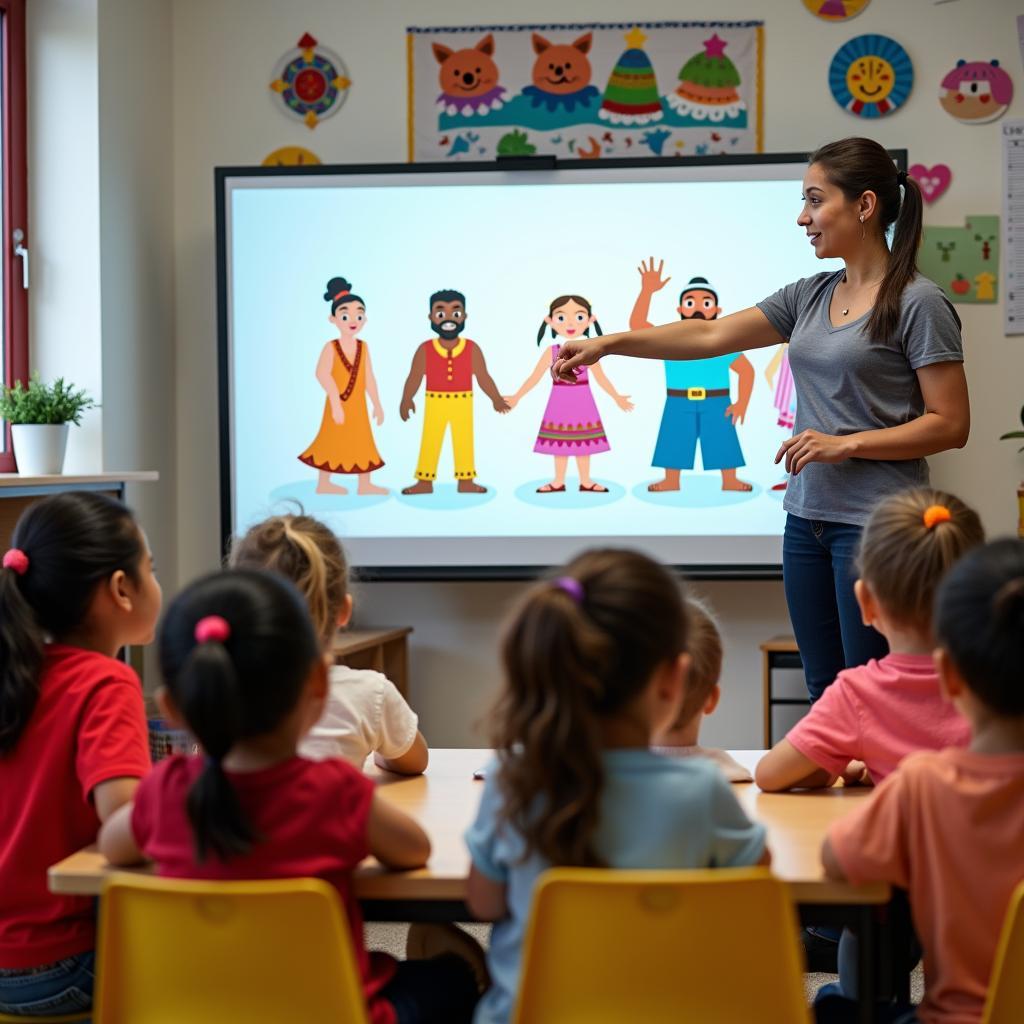 Học sinh đang xem video hoạt hình về đa dạng văn hóa trên màn hình tương tác trong lớp học hiện đại
Questions 1-13
Questions 1-5: Multiple Choice
Choose the correct letter, A, B, C or D.
1. According to the passage, what is the main advantage of animation in teaching cultural diversity?
A. It is cheaper than traditional teaching methods
B. It can overcome language differences through visual content
C. It requires less preparation time for teachers
D. It is preferred by all students
2. The example of Greenfield International School demonstrates that:
A. animation works best in international schools
B. teachers need special training to use animation
C. students show immediate interest in animated cultural content
D. animation is only effective for teaching about Asian cultures
3. Dr. Michael Chen’s research involved:
A. university students studying education
B. 500 students from primary schools
C. teachers from ten different countries
D. students learning animation production
4. According to Professor Linda Martinez, animation should be:
A. the primary method of cultural education
B. replaced by virtual reality technology
C. used alongside other teaching approaches
D. limited to young children only
5. The passage suggests that the future of animation in education will:
A. become less important as other methods improve
B. completely replace traditional teaching
C. focus only on virtual reality
D. expand with new technologies
Questions 6-9: True/False/Not Given
Do the following statements agree with the information given in Passage 1?
Write:
- TRUE if the statement agrees with the information
- FALSE if the statement contradicts the information
- NOT GIVEN if there is no information on this
6. Animation can help students understand cultures without needing to speak the same language.
7. All schools in Singapore use animation to teach cultural diversity.
8. Students taught with animation scored 35% higher in cultural sensitivity tests.
9. Creating custom animations requires expensive professional software.
Questions 10-13: Sentence Completion
Complete the sentences below.
Choose NO MORE THAN TWO WORDS from the passage for each answer.
10. Interactive animations allow students to click on objects to learn about their __ __.
11. Animation can present sensitive topics through __ __ that children can understand.
12. Teachers can access animated content through __ __ __ without spending much money.
13. New technologies like virtual reality provide more __ __ __ for students.
PASSAGE 2 – The Pedagogical Framework Behind Animated Cultural Education
Độ khó: Medium (Band 6.0-7.5)
Thời gian đề xuất: 18-20 phút
The integration of animation into cultural diversity education represents more than merely a technological enhancement of traditional teaching methods; it embodies a fundamental shift in pedagogical philosophy. Contemporary educational theorists argue that animation aligns particularly well with constructivist learning principles, where knowledge is actively constructed by learners through experience and social interaction rather than passively received from instructors. This alignment becomes especially significant when addressing the multifaceted nature of cultural understanding, which requires learners to develop not only cognitive knowledge but also affective empathy and behavioral competencies.
A. The Theoretical Foundations
The effectiveness of animated content in teaching cultural diversity can be explained through several complementary theoretical frameworks. First, Dual Coding Theory, developed by Allan Paivio in the 1970s, suggests that information presented through both visual and verbal channels is processed more deeply and remembered more effectively than information delivered through a single modality. Animated videos inherently provide this dual input, combining visual imagery with narration, dialogue, or text. When students watch an animation depicting a traditional African coming-of-age ceremony, they simultaneously process the visual spectacle of the celebration and the explanatory narration, creating multiple memory pathways that enhance retention and recall.
B. Emotional Engagement and Cultural Empathy
Beyond cognitive processing, animation’s capacity to generate emotional resonance plays a crucial role in developing cultural empathy. Research in neuroscience education has revealed that mirror neurons, brain cells that activate both when we perform an action and when we observe others performing it, respond strongly to animated characters despite their non-realistic nature. This neurological response helps explain why students can form emotional connections with animated characters from different cultural backgrounds, subsequently transferring these positive associations to real-world interactions with people from those cultures.
Dr. Yasmin Al-Rasheed, who leads the Cultural Education Initiative at Oxford University, conducted a longitudinal study tracking 300 students over three years. Her findings revealed that students exposed to culturally diverse animated content showed sustained increases in empathetic responses and demonstrated more prosocial behaviors toward classmates from different ethnic backgrounds. Notably, these effects persisted even two years after the initial intervention, suggesting that animation creates lasting attitudinal changes rather than temporary increases in awareness.
C. Addressing Stereotypes and Misconceptions
One of the most significant challenges in cultural diversity education involves dismantling stereotypes and correcting misconceptions that students may have absorbed from media, family, or peers. Animation offers unique advantages in this endeavor through its ability to present nuanced, multidimensional portrayals of cultures. Unlike photographs or live-action videos, which are bound by the limitations of available footage, animation can deliberately construct scenarios that challenge stereotypes and highlight intra-cultural diversity.
For instance, an animated series about Middle Eastern cultures might feature characters with varying religious beliefs, socioeconomic backgrounds, and personal interests, explicitly countering the monolithic representations often prevalent in mainstream media. The narrative flexibility of animation allows educators to showcase characters who are simultaneously deeply rooted in their cultural traditions and engaged with modern technology, thereby demonstrating that cultural identity and contemporary lifestyles are not mutually exclusive.
D. Inclusive Representation and Identity Validation
The importance of representation in educational materials cannot be overstated, particularly for students from marginalized or underrepresented communities. When students see animated characters who share their cultural background portrayed positively and accurately, it validates their identity and reinforces their sense of belonging within the educational environment. This validation effect has been documented across numerous studies, showing correlations between positive cultural representation in educational materials and improved academic self-concept and classroom participation among minority students.
Animation offers particular advantages for inclusive representation because it can depict a wide range of cultural practices, physical appearances, and family structures without the logistical constraints of live-action production. An animated classroom can seamlessly include characters wearing hijabs, turbans, or traditional indigenous clothing, normalizing cultural diversity in a way that reflects the reality of many contemporary classrooms. Furthermore, the stylistic choices in animation—such as character design, color palettes, and visual motifs—can incorporate culturally significant elements that add layers of meaning for viewers familiar with those traditions while introducing them to others.
E. Critical Media Literacy and Cultural Authentication
However, the use of animation in cultural education is not without potential pitfalls. Educators and content creators must navigate the delicate balance between simplification for accessibility and oversimplification that leads to reductionism. There exists a legitimate concern that animation, particularly when produced by individuals outside the culture being depicted, might perpetuate cultural appropriation or present inauthentic representations that reinforce rather than challenge existing stereotypes.
To address these concerns, best practices in animated cultural education emphasize the importance of collaborative content creation involving cultural consultants and community representatives from the groups being portrayed. The Culturally Responsive Animation Project, a collaboration between educators and animation studios across five countries, has established guidelines that prioritize authentic voices, community input, and iterative feedback throughout the production process. These protocols help ensure that animated content serves as a bridge to understanding rather than another vehicle for cultural misrepresentation.
Additionally, educators must integrate critical media literacy skills into their use of animated content, teaching students to question who created the animation, what perspectives might be missing, and how cultural elements are being presented. This critical approach transforms animation from a passive viewing experience into an active learning opportunity where students develop the analytical skills necessary to navigate our increasingly media-saturated, multicultural world.
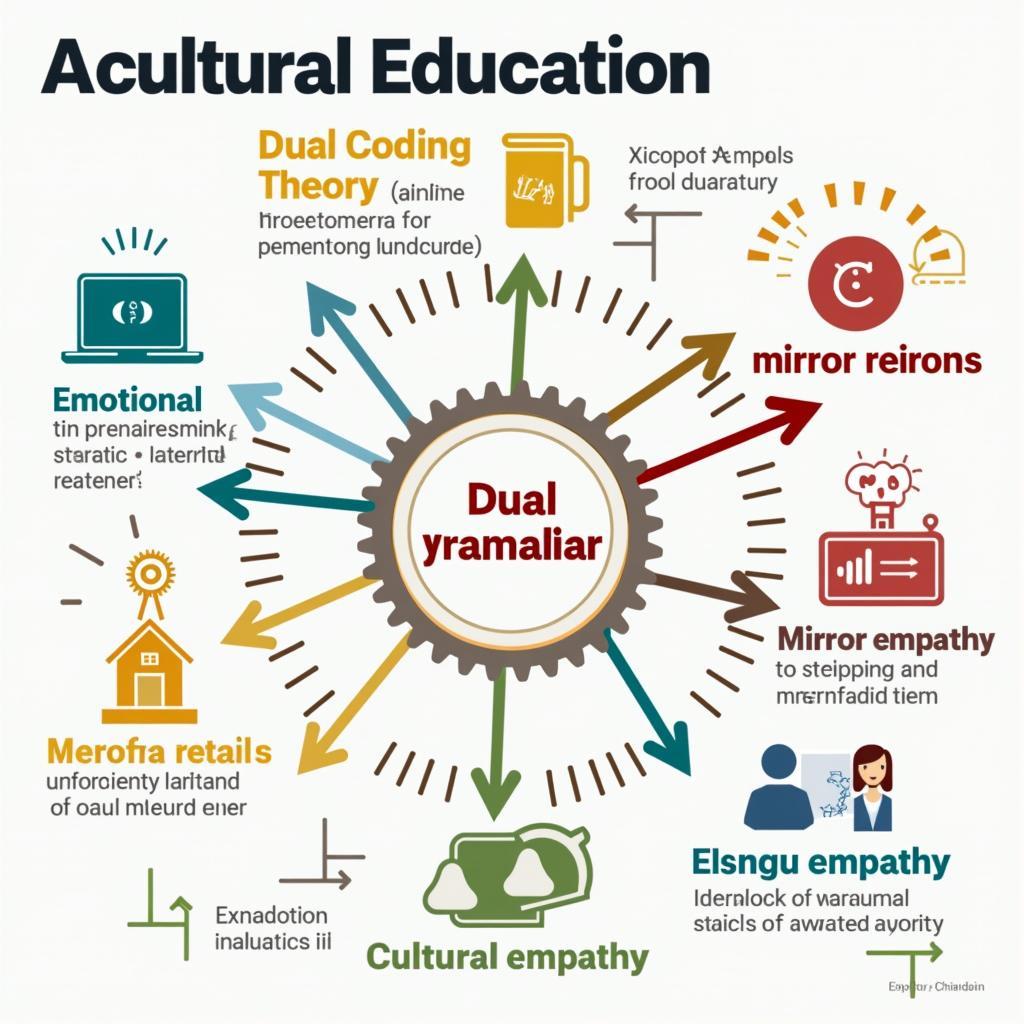 Sơ đồ lý thuyết sư phạm về việc sử dụng hoạt hình trong giáo dục văn hóa với các yếu tố kết nối
Questions 14-26
Questions 14-18: Matching Headings
The passage has five sections, A-E.
Choose the correct heading for each section from the list of headings below.
List of Headings:
i. The risk of cultural misrepresentation in animation
ii. How animation affects brain responses to cultural content
iii. The scientific basis for animation’s educational effectiveness
iv. Animation’s role in supporting minority students
v. Using animation to challenge cultural stereotypes
vi. The cost implications of animated educational content
vii. Training requirements for teachers using animation
viii. Long-term behavioral changes from animated content
14. Section A
15. Section B
16. Section C
17. Section D
18. Section E
Questions 19-23: Yes/No/Not Given
Do the following statements agree with the claims of the writer in Passage 2?
Write:
- YES if the statement agrees with the claims of the writer
- NO if the statement contradicts the claims of the writer
- NOT GIVEN if it is impossible to say what the writer thinks about this
19. Animation is more effective than all other teaching methods for cultural education.
20. Mirror neurons help explain why students develop empathy for animated characters.
21. Dr. Al-Rasheed’s study showed that the positive effects of animation lasted for at least two years.
22. Live-action videos are less flexible than animation in depicting cultural diversity.
23. All animated content about cultures is produced with input from cultural consultants.
Questions 24-26: Summary Completion
Complete the summary below.
Choose NO MORE THAN TWO WORDS from the passage for each answer.
Animation aligns with constructivist learning principles and helps develop both cognitive knowledge and (24) __. According to Dual Coding Theory, information presented through visual and (25) __ channels is better remembered. To avoid cultural misrepresentation, animation production should involve (26) __ __ from the communities being depicted.
PASSAGE 3 – Neurological Mechanisms and Sociocultural Implications of Animated Pedagogy
Độ khó: Hard (Band 7.0-9.0)
Thời gian đề xuất: 23-25 phút
The utilization of animated media as a pedagogical instrument for fostering intercultural competence has garnered substantial attention within contemporary educational research, yet the underlying neurological mechanisms that render this approach efficacious remain incompletely understood. Recent advances in functional neuroimaging and cognitive neuroscience have begun to illuminate the complex neural substrates that mediate the processing of culturally-inflected animated content, revealing that the efficacy of animation in promoting cultural understanding extends far beyond its superficial appeal as an engaging medium. Rather, animation appears to activate specific neural networks associated with social cognition, theory of mind, and affective processing in ways that fundamentally differ from the neural responses elicited by static imagery or textual information.
Research utilizing functional magnetic resonance imaging (fMRI) has demonstrated that viewing animated characters engaged in culturally-specific behaviors activates the temporoparietal junction (TPJ) and medial prefrontal cortex (mPFC), regions critically involved in mentalizing—the capacity to attribute mental states to others and understand their perspectives. Significantly, this activation pattern occurs even when viewers are explicitly aware that they are observing non-realistic, animated representations rather than actual human beings. This finding challenges earlier assumptions that theory of mind networks would respond exclusively or preferentially to realistic human stimuli. Dr. Kenji Watanabe’s groundbreaking study at the RIKEN Center for Brain Science in Japan revealed that the degree of TPJ activation during exposure to culturally diverse animated content positively correlated with subsequent performance on perspective-taking tasks and implicit association tests measuring cultural bias, suggesting a causal pathway between neural activation and behavioral outcomes.
The phenomenon of narrative transportation—the extent to which individuals become cognitively and emotionally immersed in a narrative—plays a mediating role in how animated content influences cultural attitudes. According to the Transportation-Imagery Model proposed by Green and Brock, when individuals are transported into a narrative world, their critical resistance to the story’s messages diminishes, allowing for attitudinal change that might otherwise be resisted. Animation possesses unique characteristics that facilitate narrative transportation, including its capacity to present visually impossible scenarios, exaggerated expressiveness that enhances emotional clarity, and aesthetic coherence that suspends disbelief despite ontological impossibility. Empirical investigations have substantiated that viewers report higher levels of transportation when engaging with animated narratives about cultural diversity compared to equivalent content presented through documentary formats, and this enhanced transportation significantly predicts reductions in implicit prejudice as measured by reaction-time based assessments.
However, the relationship between animation consumption and intercultural competence development is not unidirectionally deterministic; rather, it is moderated by numerous individual difference variables and contextual factors. Social Identity Theory, articulated by Tajfel and Turner, posits that individuals derive significant aspects of their self-concept from their membership in social groups, including cultural and ethnic groups. This identification creates an in-group bias where people favor members of their own group and may view out-group members with suspicion or negativity. When animated content portrays cultures different from the viewer’s own, the degree to which viewers identify with animated characters serves as a crucial mediating variable. Viewers who successfully identify with culturally different animated characters demonstrate reduced in-group favoritism and increased out-group regard, whereas those unable or unwilling to identify across cultural boundaries show minimal attitudinal change.
The concept of parasocial relationships—one-sided relational bonds that media consumers develop with media figures—provides additional explanatory power for understanding animation’s impact on cultural attitudes. Research by Schiappa and colleagues has demonstrated that parasocial contact with media characters from stigmatized groups can produce effects analogous to those of actual intergroup contact, including reduced prejudice and increased empathy. Animation, with its capacity to create idealized intergroup contact scenarios that adhere to the optimal contact conditions specified by Allport’s Contact Hypothesis (equal status, common goals, intergroup cooperation, and institutional support), can facilitate parasocial relationships that serve as surrogates for direct cultural exchange in contexts where such exchange is logistically impractical or socially constrained.
Nevertheless, critical scholars within the field of cultural studies have raised substantive concerns regarding the epistemological assumptions and power dynamics inherent in the use of animation for cultural education, particularly when such content is produced within dominant cultural frameworks for consumption by diverse audiences. The process of cultural translation required to render complex cultural practices comprehensible to culturally distant audiences inevitably involves simplification, selection, and interpretation—processes that are never politically neutral but rather reflect the ideological positioning and cultural capital of content creators. Postcolonial theorists argue that animated representations of non-Western cultures, even when created with ostensibly educational intentions, risk perpetuating neo-colonial knowledge production wherein the cultural Other is constructed according to Western epistemological frameworks and aesthetic conventions.
Furthermore, the commodification of cultural diversity through animated media raises questions about authenticity and cultural ownership. When animated content extracts cultural elements from their sociohistorical contexts and reconfigures them for pedagogical purposes, there exists a danger of cultural decontextualization that strips traditions of their deeper symbolic meanings and social functions. The transformation of sacred rituals, historical struggles, or community-specific practices into entertaining educational content may constitute a form of symbolic violence that, paradoxically, occurs within discourses of cultural appreciation and diversity celebration.
To navigate these epistemological and ethical complexities, contemporary frameworks for developing culturally responsive animated pedagogy emphasize participatory design methodologies wherein cultural community members serve not merely as consultants but as co-creators with substantive decision-making authority throughout the production process. The Indigenous Animation Project, a collaborative initiative involving animation studios and Indigenous communities across Australia, Canada, and New Zealand, exemplifies this approach. Rather than producing content about Indigenous cultures, the project facilitates Indigenous storytellers in creating animated narratives from Indigenous epistemological perspectives, utilizing animation techniques that incorporate traditional artistic styles and narrative structures. Preliminary evaluations indicate that this community-driven approach produces content that non-Indigenous students find equally engaging while Indigenous students report significantly higher levels of cultural affirmation and authentic representation.
The trajectory of animation in cultural diversity education increasingly intersects with emerging technologies including artificial intelligence, machine learning, and immersive virtual environments. Adaptive learning systems powered by AI can potentially customize animated content to individual learners’ prior knowledge, cultural backgrounds, and learning preferences, creating personalized pathways through cultural education that address specific knowledge gaps or attitudinal barriers. Meanwhile, virtual reality implementations of animated cultural environments promise embodied learning experiences wherein students can interact with cultural spaces and practices through avatar-mediated participation, potentially enhancing the experiential dimensions of cultural learning beyond what traditional animation can offer.
However, these technological developments simultaneously amplify existing ethical concerns while introducing novel challenges related to algorithmic bias, data privacy, and digital access inequality. As animation becomes increasingly algorithmically mediated and personalized, ensuring that such systems do not inadvertently reinforce stereotypes through biased training data or recommendation algorithms becomes paramount. Moreover, the digital divide between well-resourced schools with access to cutting-edge animation technology and under-resourced institutions threatens to create educational disparities wherein students’ exposure to high-quality cultural diversity education becomes contingent upon socioeconomic privilege, thereby potentially exacerbating the very social inequalities that cultural diversity education aims to address.
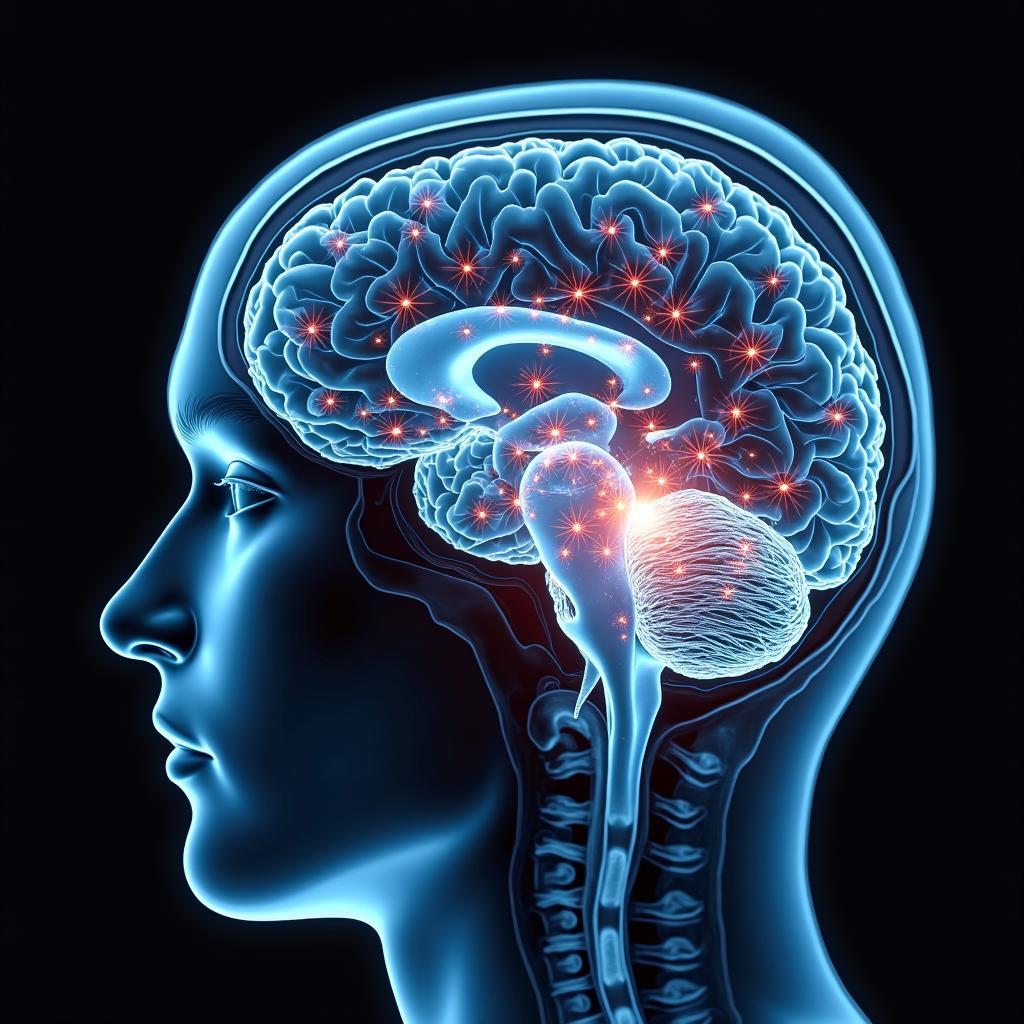 Hình ảnh minh họa nghiên cứu thần kinh học về tác động của hoạt hình đến não bộ học sinh
Questions 27-40
Questions 27-31: Multiple Choice
Choose the correct letter, A, B, C or D.
27. According to the passage, fMRI research has shown that:
A. animated characters are processed differently from real humans
B. theory of mind networks activate when viewing animated content
C. static images are more effective than animation
D. cultural bias cannot be measured through brain imaging
28. The Transportation-Imagery Model suggests that narrative transportation:
A. only works with realistic content
B. increases critical analysis of content
C. reduces resistance to attitudinal change
D. is impossible with animated content
29. According to Social Identity Theory, identification with animated characters:
A. always leads to reduced prejudice
B. is impossible across cultural boundaries
C. affects whether viewers show attitudinal changes
D. only occurs within one’s own cultural group
30. Postcolonial theorists are concerned that animated cultural content:
A. is too expensive to produce
B. reflects Western epistemological frameworks
C. is not entertaining enough for students
D. cannot represent any culture accurately
31. The Indigenous Animation Project differs from traditional approaches by:
A. using more advanced technology
B. targeting only Indigenous students
C. having Indigenous people as co-creators
D. avoiding animation techniques entirely
Questions 32-36: Matching Features
Match each concept (32-36) with the correct description (A-H).
Concepts:
32. Parasocial relationships
33. Cultural decontextualization
34. Narrative transportation
35. Temporoparietal junction
36. Adaptive learning systems
Descriptions:
A. Brain region involved in understanding others’ perspectives
B. One-sided bonds between viewers and media characters
C. Removing cultural practices from their original contexts
D. Technology that personalizes content for individual learners
E. The process of translating culture into different languages
F. Cognitive and emotional immersion in a story
G. Physical interaction with animated characters
H. Algorithms that create animation automatically
Questions 37-40: Short-answer Questions
Answer the questions below.
Choose NO MORE THAN THREE WORDS from the passage for each answer.
37. What type of imaging technology has been used to study brain responses to animated content?
38. According to Allport’s Contact Hypothesis, what kind of contact scenarios can animation create?
39. What do critical scholars say is never politically neutral in cultural translation?
40. What threatens to create educational disparities in access to animation technology?
Answer Keys – Đáp Án
PASSAGE 1: Questions 1-13
- B
- C
- B
- C
- D
- TRUE
- NOT GIVEN
- TRUE
- FALSE
- cultural significance
- metaphorical storytelling
- open educational resources
- immersive cultural experiences
PASSAGE 2: Questions 14-26
- iii
- ii
- v
- iv
- i
- NOT GIVEN
- YES
- YES
- YES
- NO
- affective empathy
- verbal
- cultural consultants / community representatives
PASSAGE 3: Questions 27-40
- B
- C
- C
- B
- C
- B
- C
- F
- A
- D
- functional magnetic resonance imaging / fMRI / functional neuroimaging
- idealized intergroup contact (scenarios)
- simplification, selection, interpretation (any of these)
- digital divide / socioeconomic privilege
Giải Thích Đáp Án Chi Tiết
Passage 1 – Giải Thích
Câu 1: B
- Dạng câu hỏi: Multiple Choice
- Từ khóa: main advantage, animation, teaching cultural diversity
- Vị trí trong bài: Đoạn 2, dòng 1-4
- Giải thích: Bài đọc nêu rõ “One of the primary advantages of using animation in teaching cultural diversity is its universal appeal. Unlike traditional teaching methods…animated content can transcend language barriers through visual storytelling.” Đây là paraphrase của đáp án B “overcome language differences through visual content”.
Câu 6: TRUE
- Dạng câu hỏi: True/False/Not Given
- Từ khóa: understand cultures, without needing, same language
- Vị trí trong bài: Đoạn 2, dòng 3-6
- Giải thích: Câu trong bài “animated content can transcend language barriers through visual storytelling…can be understood and appreciated by students regardless of their native language” khẳng định rõ ràng nội dung này, nên đáp án là TRUE.
Câu 10: cultural significance
- Dạng câu hỏi: Sentence Completion
- Từ khóa: interactive animations, click on objects, learn about
- Vị trí trong bài: Đoạn 4, dòng 3-4
- Giải thích: Bài đọc nêu “students can click on different objects to learn more about their cultural significance” – đây chính xác là cụm từ cần điền.
Câu 13: immersive cultural experiences
- Dạng câu hỏi: Sentence Completion
- Từ khóa: virtual reality, provide more
- Vị trí trong bài: Đoạn 9, dòng 2-3
- Giải thích: Câu trong bài “virtual reality and augmented reality…offering even more immersive cultural experiences” cung cấp đáp án chính xác.
Passage 2 – Giải Thích
Câu 14: iii (Section A)
- Dạng câu hỏi: Matching Headings
- Giải thích: Section A thảo luận về “Dual Coding Theory” và các khung lý thuyết giải thích tại sao animation hiệu quả trong giáo dục văn hóa. Heading iii “The scientific basis for animation’s educational effectiveness” phù hợp nhất.
Câu 15: ii (Section B)
- Dạng câu hỏi: Matching Headings
- Giải thích: Section B tập trung vào mirror neurons và cách não bộ phản ứng với animated characters, tạo ra emotional connections. Heading ii “How animation affects brain responses to cultural content” mô tả chính xác nội dung này.
Câu 20: YES
- Dạng câu hỏi: Yes/No/Not Given
- Từ khóa: mirror neurons, explain, empathy, animated characters
- Vị trí trong bài: Section B, dòng 3-6
- Giải thích: Bài đọc nêu rõ “mirror neurons…respond strongly to animated characters…helps explain why students can form emotional connections” – đây là quan điểm của tác giả, nên đáp án là YES.
Câu 24: affective empathy
- Dạng câu hỏi: Summary Completion
- Từ khóa: cognitive knowledge and
- Vị trí trong bài: Đoạn 1, dòng 5-7
- Giải thích: Bài đọc nêu “requires learners to develop not only cognitive knowledge but also affective empathy and behavioral competencies” – cụm “affective empathy” là đáp án.
Câu 26: cultural consultants / community representatives
- Dạng câu hỏi: Summary Completion
- Từ khóa: avoid cultural misrepresentation, involve
- Vị trí trong bài: Section E, đoạn 2, dòng 2-4
- Giải thích: Bài đọc nêu “collaborative content creation involving cultural consultants and community representatives” – cả hai cụm từ đều được chấp nhận.
Passage 3 – Giải Thích
Câu 27: B
- Dạng câu hỏi: Multiple Choice
- Từ khóa: fMRI research, shown that
- Vị trí trong bài: Đoạn 2, dòng 1-5
- Giải thích: Bài đọc nêu “viewing animated characters…activates the temporoparietal junction (TPJ) and medial prefrontal cortex (mPFC), regions critically involved in mentalizing…this activation pattern occurs even when viewers are explicitly aware that they are observing non-realistic, animated representations.” Đây chính là nội dung của đáp án B về theory of mind networks.
Câu 29: C
- Dạng câu hỏi: Multiple Choice
- Từ khóa: Social Identity Theory, identification with animated characters
- Vị trí trong bài: Đoạn 4, dòng 6-9
- Giải thích: Bài đọc nêu “the degree to which viewers identify with animated characters serves as a crucial mediating variable. Viewers who successfully identify…demonstrate reduced in-group favoritism…whereas those unable…show minimal attitudinal change.” Điều này khớp với đáp án C.
Câu 31: C
- Dạng câu hỏi: Multiple Choice
- Từ khóa: Indigenous Animation Project, differs
- Vị trí trong bài: Đoạn 8, dòng 3-6
- Giải thích: Bài đọc nêu rõ “cultural community members serve not merely as consultants but as co-creators with substantive decision-making authority” – đây chính là điểm khác biệt, phù hợp với đáp án C.
Câu 37: functional magnetic resonance imaging / fMRI
- Dạng câu hỏi: Short-answer
- Từ khóa: imaging technology, study brain responses
- Vị trí trong bài: Đoạn 2, dòng 1
- Giải thích: Bài đọc nêu “Research utilizing functional magnetic resonance imaging (fMRI)” – cả tên đầy đủ và viết tắt đều được chấp nhận.
Câu 40: digital divide
- Dạng câu hỏi: Short-answer
- Từ khóa: threatens, create educational disparities
- Vị trí trong bài: Đoạn cuối, dòng 3-5
- Giải thích: Bài đọc nêu “the digital divide between well-resourced schools…threatens to create educational disparities” – đáp án chính xác là “digital divide”.
Từ Vựng Quan Trọng Theo Passage
Passage 1 – Essential Vocabulary
| Từ vựng | Loại từ | Phiên âm | Nghĩa tiếng Việt | Ví dụ từ bài | Collocation |
|---|---|---|---|---|---|
| transcend | verb | /trænˈsend/ | vượt qua, vượt lên trên | animated content can transcend language barriers | transcend barriers/boundaries |
| immersive | adjective | /ɪˈmɜːsɪv/ | có tính chìm đắm, hấp dẫn | create an immersive experience | immersive experience/environment |
| receptive | adjective | /rɪˈseptɪv/ | dễ tiếp nhận, cởi mở | makes them more receptive to learning | receptive to ideas/learning |
| retain | verb | /rɪˈteɪn/ | giữ lại, lưu giữ | helps students retain information | retain information/knowledge |
| empathy | noun | /ˈempəθi/ | sự đồng cảm, thấu hiểu | demonstrate higher levels of empathy | show/develop empathy |
| sensitivity | noun | /ˌsensəˈtɪvəti/ | sự nhạy cảm, tinh tế | scored higher on cultural sensitivity tests | cultural sensitivity |
| inclusivity | noun | /ˌɪnkluːˈsɪvəti/ | tính bao hàm, hòa nhập | illustrate concepts of inclusivity | promote inclusivity |
| accessible | adjective | /əkˈsesəbl/ | dễ tiếp cận, có thể sử dụng | made it accessible to schools | accessible to everyone |
| metaphorical | adjective | /ˌmetəˈfɒrɪkl/ | mang tính ẩn dụ | through metaphorical storytelling | metaphorical meaning/language |
| complementary | adjective | /ˌkɒmplɪˈmentri/ | bổ sung, bổ trợ | should be seen as a complementary tool | complementary approach/method |
| face-to-face | adjective | /ˌfeɪs tə ˈfeɪs/ | trực tiếp, mặt đối mặt | should not replace face-to-face exchanges | face-to-face interaction/meeting |
| global citizenship | noun phrase | /ˈɡləʊbl ˈsɪtɪznʃɪp/ | ý thức công dân toàn cầu | foster global citizenship | promote global citizenship |
Passage 2 – Essential Vocabulary
| Từ vựng | Loại từ | Phiên âm | Nghĩa tiếng Việt | Ví dụ từ bài | Collocation |
|---|---|---|---|---|---|
| pedagogical | adjective | /ˌpedəˈɡɒdʒɪkl/ | thuộc về sư phạm | represents a pedagogical shift | pedagogical approach/framework |
| constructivist | adjective | /kənˈstrʌktɪvɪst/ | theo thuyết kiến tạo | aligns with constructivist principles | constructivist learning/theory |
| multifaceted | adjective | /ˌmʌltiˈfæsɪtɪd/ | đa diện, nhiều khía cạnh | the multifaceted nature of cultural understanding | multifaceted nature/approach |
| affective | adjective | /əˈfektɪv/ | thuộc về cảm xúc | develop affective empathy | affective response/domain |
| dual coding | noun phrase | /djuːəl ˈkəʊdɪŋ/ | mã hóa kép | Dual Coding Theory suggests | dual coding theory |
| retention | noun | /rɪˈtenʃn/ | sự lưu giữ, ghi nhớ | enhance retention and recall | information retention |
| longitudinal study | noun phrase | /ˌlɒndʒɪˈtjuːdɪnl ˈstʌdi/ | nghiên cứu dọc | conducted a longitudinal study | conduct/carry out a longitudinal study |
| prosocial | adjective | /prəʊˈsəʊʃl/ | có lợi cho xã hội | demonstrated more prosocial behaviors | prosocial behavior/action |
| dismantle | verb | /dɪsˈmæntl/ | phá bỏ, dỡ bỏ | dismantling stereotypes | dismantle stereotypes/barriers |
| nuanced | adjective | /ˈnjuːɑːnst/ | tinh tế, nhiều sắc thái | present nuanced portrayals | nuanced understanding/approach |
| monolithic | adjective | /ˌmɒnəˈlɪθɪk/ | đơn nhất, không thay đổi | countering monolithic representations | monolithic view/representation |
| validation | noun | /ˌvælɪˈdeɪʃn/ | sự công nhận, xác nhận | reinforces their sense of validation | seek/provide validation |
| marginalized | adjective | /ˈmɑːdʒɪnəlaɪzd/ | bị đẩy ra lề, thiểu số | students from marginalized communities | marginalized groups/communities |
| collaborative | adjective | /kəˈlæbərətɪv/ | hợp tác, cộng tác | collaborative content creation | collaborative effort/approach |
| iterative | adjective | /ˈɪtərətɪv/ | lặp đi lặp lại, liên tục | iterative feedback throughout | iterative process |
Passage 3 – Essential Vocabulary
| Từ vựng | Loại từ | Phiên âm | Nghĩa tiếng Việt | Ví dụ từ bài | Collocation |
|---|---|---|---|---|---|
| neurological | adjective | /ˌnjʊərəˈlɒdʒɪkl/ | thuộc về thần kinh học | underlying neurological mechanisms | neurological processes/research |
| functional neuroimaging | noun phrase | /ˈfʌŋkʃənl ˌnjʊərəʊˈɪmɪdʒɪŋ/ | chụp ảnh thần kinh chức năng | advances in functional neuroimaging | functional neuroimaging techniques |
| neural substrates | noun phrase | /ˈnjʊərəl ˈsʌbstreɪts/ | nền tảng thần kinh | complex neural substrates | neural substrates of cognition |
| theory of mind | noun phrase | /ˈθɪəri əv maɪnd/ | lý thuyết về tâm trí | theory of mind networks | develop theory of mind |
| mentalizing | noun | /ˈmentəlaɪzɪŋ/ | khả năng suy đoán trạng thái tinh thần | regions involved in mentalizing | mentalizing ability/capacity |
| temporoparietal junction | noun phrase | /ˌtempərəʊpəˈraɪətl ˈdʒʌŋkʃn/ | vùng nối thái dương – đỉnh | activates the temporoparietal junction | temporoparietal junction activation |
| narrative transportation | noun phrase | /ˈnærətɪv ˌtrænspɔːˈteɪʃn/ | sự đắm chìm vào câu chuyện | phenomenon of narrative transportation | narrative transportation theory |
| implicit prejudice | noun phrase | /ɪmˈplɪsɪt ˈpredʒudɪs/ | định kiến ngầm | reductions in implicit prejudice | measure implicit prejudice |
| parasocial relationships | noun phrase | /ˌpærəˈsəʊʃl rɪˈleɪʃnʃɪps/ | mối quan hệ giả xã hội | concept of parasocial relationships | form/develop parasocial relationships |
| in-group bias | noun phrase | /ɪn ɡruːp ˈbaɪəs/ | thiên vị nội nhóm | creates an in-group bias | in-group bias/favoritism |
| epistemological | adjective | /ɪˌpɪstɪməˈlɒdʒɪkl/ | thuộc về nhận thức luận | epistemological assumptions | epistemological framework/position |
| neo-colonial | adjective | /ˌniːəʊkəˈləʊniəl/ | tân thực dân | perpetuating neo-colonial knowledge | neo-colonial practice/approach |
| commodification | noun | /kəˌmɒdɪfɪˈkeɪʃn/ | sự hàng hóa hóa | commodification of cultural diversity | cultural commodification |
| decontextualization | noun | /diːˌkɒntekstʃuəlaɪˈzeɪʃn/ | sự tách khỏi bối cảnh | danger of cultural decontextualization | cultural decontextualization |
| participatory design | noun phrase | /pɑːˈtɪsɪpətri dɪˈzaɪn/ | thiết kế có sự tham gia | participatory design methodologies | participatory design approach |
| algorithmic bias | noun phrase | /ˌælɡəˈrɪðmɪk ˈbaɪəs/ | thiên kiến thuật toán | concerns related to algorithmic bias | algorithmic bias/discrimination |
| digital divide | noun phrase | /ˈdɪdʒɪtl dɪˈvaɪd/ | khoảng cách số | the digital divide between schools | bridge/narrow the digital divide |
| embodied learning | noun phrase | /ɪmˈbɒdid ˈlɜːnɪŋ/ | học tập thể hiện | embodied learning experiences | embodied learning approach |
Kết Bài
Bộ đề thi IELTS Reading về chủ đề “The Use of Animation in Teaching Cultural Diversity” vừa được trình bày không chỉ cung cấp cho bạn một trải nghiệm luyện tập hoàn chỉnh mà còn giúp bạn hiểu sâu về một chủ đề quan trọng trong giáo dục hiện đại. Ba passages với độ khó tăng dần đã đưa bạn qua hành trình từ những ứng dụng cơ bản của animation trong lớp học, đến nền tảng lý thuyết sư phạm, và cuối cùng là những phân tích sâu rộng về cơ chế thần kinh học cũng như các vấn đề xã hội văn hóa phức tạp.
Với 40 câu hỏi đa dạng bao gồm 7 dạng khác nhau, bạn đã có cơ hội rèn luyện toàn diện các kỹ năng cần thiết cho IELTS Reading: từ tìm thông tin cụ thể, hiểu ý chính, đến phân tích quan điểm tác giả và suy luận thông tin. Đáp án chi tiết kèm giải thích vị trí và phương pháp paraphrase sẽ giúp bạn tự đánh giá chính xác năng lực hiện tại và xác định những điểm cần cải thiện.
Hơn 45 từ vựng học thuật quan trọng được tổng hợp kèm phiên âm, nghĩa tiếng Việt và collocations sẽ giúp bạn mở rộng vốn từ vựng IELTS một cách hiệu quả. Hãy dành thời gian học thuộc những từ này và áp dụng chúng trong cả ba phần thi Writing và Speaking.
Để đạt được band điểm cao trong IELTS Reading, hãy nhớ rằng việc luyện tập thường xuyên với các đề thi chất lượng là chìa khóa thành công. Đừng quên áp dụng chiến lược quản lý thời gian hiệu quả: 15-17 phút cho Passage 1, 18-20 phút cho Passage 2, và 23-25 phút cho Passage 3. Chúc bạn ôn tập hiệu quả và đạt được band điểm mong muốn trong kỳ thi IELTS sắp tới!


