Mở Bài
Trong bối cảnh công nghệ số phát triển mạnh mẽ, vấn đề bảo mật dữ liệu cá nhân đang trở thành một trong những thách thức lớn nhất của xã hội hiện đại. Chủ đề “What Are The Challenges Of Ensuring Data Privacy In The Digital Age?” không chỉ xuất hiện thường xuyên trong các kỳ thi IELTS Reading mà còn phản ánh mối quan tâm thực tế của toàn cầu về quyền riêng tư trong môi trường trực tuyến.
Theo thống kê từ các đề thi IELTS gần đây, chủ đề công nghệ và bảo mật thông tin xuất hiện với tần suất cao, đặc biệt trong Passage 2 và 3 với độ khó từ trung bình đến nâng cao. Bài viết này cung cấp cho bạn một bộ đề thi hoàn chỉnh gồm 3 passages với độ khó tăng dần, 40 câu hỏi đa dạng giống thi thật 100%, đáp án chi tiết kèm giải thích cụ thể, và hệ thống từ vựng quan trọng giúp bạn nâng cao band điểm.
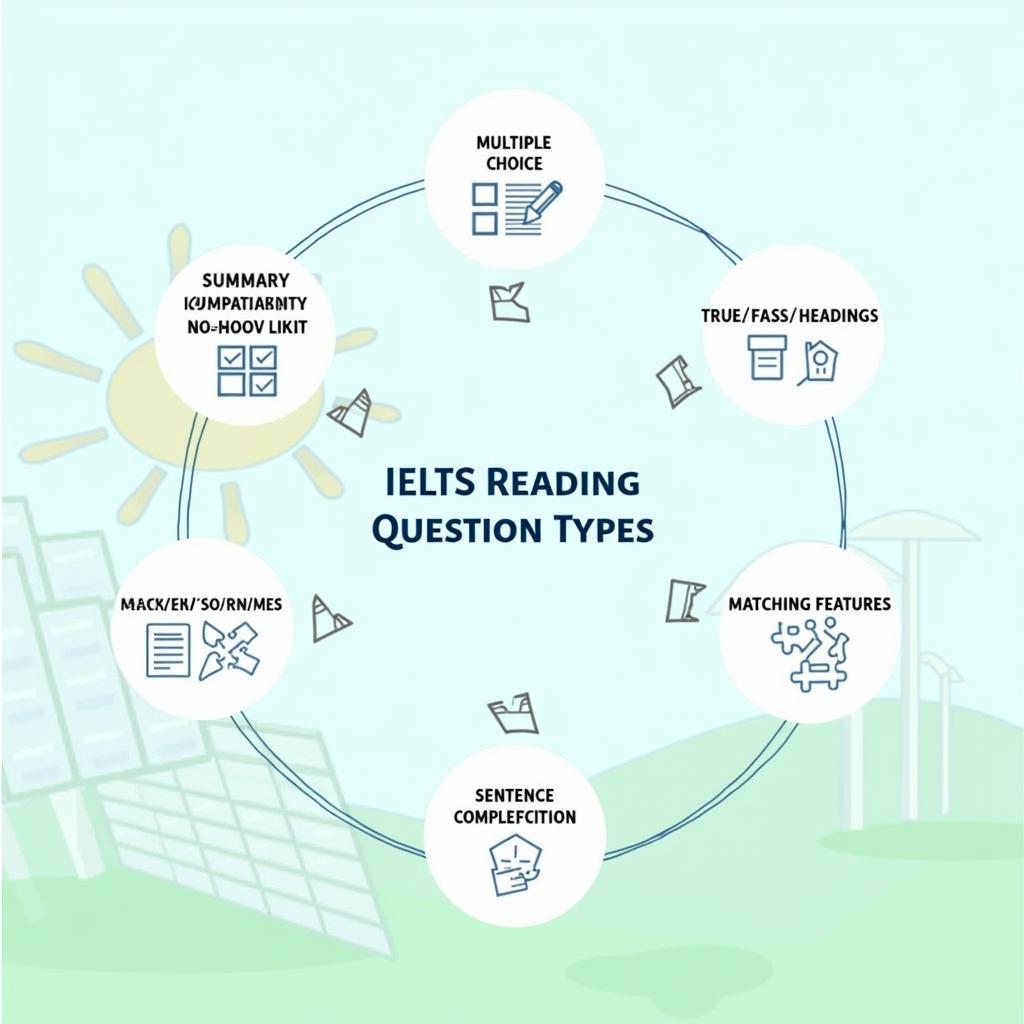
Đề thi này phù hợp cho học viên có trình độ từ band 5.0 trở lên, giúp bạn làm quen với các dạng câu hỏi phổ biến như Multiple Choice, True/False/Not Given, Matching Headings, và Summary Completion. Hãy dành 60 phút hoàn chỉnh để có trải nghiệm như thi thật nhất!
Hướng Dẫn Làm Bài IELTS Reading
Tổng Quan Về IELTS Reading Test
IELTS Reading Test là phần thi kéo dài 60 phút với 3 passages và tổng cộng 40 câu hỏi. Đây là bài kiểm tra khả năng đọc hiểu, phân tích thông tin và xác định ý chính của bạn trong môi trường học thuật.
Phân bổ thời gian khuyến nghị:
- Passage 1 (Easy): 15-17 phút – Bài đọc dễ nhất với thông tin rõ ràng, từ vựng cơ bản
- Passage 2 (Medium): 18-20 phút – Độ khó trung bình, yêu cầu hiểu sâu và paraphrase
- Passage 3 (Hard): 23-25 phút – Bài khó nhất với nội dung học thuật, từ vựng chuyên ngành
Lưu ý: Không có thời gian thêm để chuyển đáp án, vì vậy bạn cần viết đáp án trực tiếp vào answer sheet trong 60 phút.
Các Dạng Câu Hỏi Trong Đề Này
Đề thi mẫu này bao gồm 7 dạng câu hỏi phổ biến nhất trong IELTS Reading:
- Multiple Choice – Câu hỏi trắc nghiệm nhiều lựa chọn
- True/False/Not Given – Xác định tính đúng/sai/không đề cập
- Matching Information – Nối thông tin với đoạn văn
- Yes/No/Not Given – Xác định quan điểm tác giả
- Matching Headings – Nối tiêu đề với đoạn văn
- Summary Completion – Hoàn thiện tóm tắt
- Matching Features – Nối đặc điểm với đối tượng
IELTS Reading Practice Test
PASSAGE 1 – The Evolution of Personal Data Collection
Độ khó: Easy (Band 5.0-6.5)
Thời gian đề xuất: 15-17 phút
The way we share and store personal information has undergone a dramatic transformation over the past few decades. In the pre-digital era, personal data was primarily stored in physical formats such as paper documents, photographs, and handwritten records. These materials were typically kept in homes, offices, or government archives, making unauthorized access relatively difficult. The scope of data collection was limited to what could be physically recorded and stored, and individuals had greater control over who could access their information.
The advent of the internet in the 1990s marked the beginning of a new chapter in data management. Email services, early social networking platforms, and online shopping sites began collecting digital footprints of users’ activities. Initially, this seemed harmless – users willingly provided names, addresses, and preferences in exchange for convenience. However, as technology advanced, the amount and types of data being collected expanded exponentially. Today, every online interaction, from browsing websites to using smartphone applications, generates data that can be captured, analyzed, and stored indefinitely.
Modern data collection extends far beyond basic demographic information. Sophisticated tracking technologies such as cookies, pixels, and device fingerprinting allow companies to monitor users’ behavior across multiple platforms. Location data from smartphones reveals movement patterns and frequently visited places. Search engine queries provide insights into personal interests, health concerns, and purchasing intentions. Social media platforms collect information about relationships, political views, and emotional states through posts, likes, and comments. Even Internet of Things (IoT) devices – smart home appliances, fitness trackers, and voice assistants – continuously gather data about daily habits and routines.
The commercial value of personal data has created a thriving data economy. Companies invest heavily in collecting and analyzing user information to improve products, target advertising, and gain competitive advantages. Data brokers operate in the background, purchasing and selling personal information to third parties. This has led to the creation of detailed profiles that can predict behavior with surprising accuracy. While this data-driven approach has enabled personalized experiences and improved services, it has also raised serious concerns about privacy, consent, and the potential for misuse.
Governments worldwide have begun to recognize the need for stronger data protection measures. The European Union’s General Data Protection Regulation (GDPR), implemented in 2018, represents one of the most comprehensive attempts to give individuals control over their personal data. It requires companies to obtain explicit consent before collecting data, provides rights to access and delete personal information, and imposes substantial fines for violations. Similar legislation has emerged in other regions, including the California Consumer Privacy Act (CCPA) in the United States and Brazil’s Lei Geral de Proteção de Dados (LGPD).
Despite these regulatory efforts, challenges remain. The technical complexity of data systems makes it difficult for average users to understand how their information is being used. Privacy policies are often lengthy and written in legal language that obscures rather than clarifies practices. Many free services require users to accept data collection as a condition of use, creating a “take it or leave it” scenario where genuine choice is limited. Furthermore, data breaches have become increasingly common, with millions of records exposed annually due to security vulnerabilities and cyberattacks.
The tension between innovation and privacy continues to shape the digital landscape. Companies argue that data collection enables them to provide free services and develop new technologies that benefit society. Privacy advocates counter that fundamental rights should not be sacrificed for commercial gain. Finding the right balance requires ongoing dialogue between technology companies, governments, and citizens. As we move further into the digital age, the question is not whether we can protect personal data, but whether we have the collective will to prioritize privacy in an increasingly connected world.
Questions 1-6: Multiple Choice
Choose the correct letter, A, B, C, or D.
-
According to the passage, personal data in the pre-digital era was
A) easily accessible to everyone
B) mainly stored electronically
C) primarily kept in physical formats
D) automatically shared with governments -
The passage suggests that early internet users
A) refused to share any personal information
B) voluntarily provided data for convenience
C) fully understood data collection risks
D) demanded payment for their data -
Modern tracking technologies can monitor
A) only social media activities
B) behavior across various platforms
C) physical documents exclusively
D) government databases only -
Data brokers are described as entities that
A) protect user privacy
B) delete personal information
C) buy and sell personal data
D) regulate data collection -
The GDPR is characterized as
A) a minor adjustment to existing laws
B) applicable only in the United States
C) a comprehensive data protection measure
D) ineffective in protecting privacy -
The main challenge with privacy policies is that they are
A) too short and simple
B) written in clear language
C) always optional for users
D) complex and difficult to understand
Questions 7-10: True/False/Not Given
Do the following statements agree with the information given in the passage?
TRUE if the statement agrees with the information
FALSE if the statement contradicts the information
NOT GIVEN if there is no information on this
-
Physical storage of data in the past provided better protection against unauthorized access than digital storage does today.
-
Internet of Things devices collect information about users’ daily habits.
-
All companies that collect personal data use it for illegal purposes.
-
The California Consumer Privacy Act was implemented before the GDPR.
Questions 11-13: Matching Information
Match the following statements (11-13) with the correct paragraph (A-G).
A – Paragraph 1
B – Paragraph 2
C – Paragraph 3
D – Paragraph 4
E – Paragraph 5
F – Paragraph 6
G – Paragraph 7
-
A description of various modern technologies that track user behavior
-
Discussion of the conflict between technological progress and personal privacy
-
Information about government responses to data protection concerns
PASSAGE 2 – The Technical Challenges of Data Protection
Độ khó: Medium (Band 6.0-7.5)
Thời gian đề xuất: 18-20 phút
Ensuring data privacy in the digital age presents multifaceted technical challenges that extend far beyond simply installing antivirus software or creating strong passwords. The architecture of modern computing systems, designed primarily for functionality and efficiency rather than privacy, creates inherent vulnerabilities that are difficult to address without fundamental redesign. As data flows across networks, devices, and jurisdictions, maintaining confidentiality and integrity becomes increasingly complex.
One of the most significant technical obstacles is the distributed nature of contemporary data storage. Information about a single individual may be fragmented across dozens or even hundreds of databases, servers, and cloud platforms operated by different organizations. This decentralization makes it extremely difficult to maintain a comprehensive view of where personal data resides, who has access to it, and how it is being used. When a user requests deletion of their data under privacy regulations, companies must trace and remove information from multiple interconnected systems – a task that is technically daunting and often incomplete.
Encryption represents one of the most powerful tools for protecting data privacy, yet its implementation comes with substantial trade-offs. End-to-end encryption ensures that only the sender and intended recipient can read messages, preventing even service providers from accessing content. However, this technology conflicts with various legitimate interests. Law enforcement agencies argue that encryption hinders criminal investigations, particularly in cases involving terrorism or child exploitation. Backdoors – intentional vulnerabilities that allow authorized access – have been proposed as a solution, but security experts warn that any backdoor could be exploited by malicious actors, undermining the entire system’s security.
The rapid proliferation of data collection points compounds the privacy challenge. Modern websites typically include numerous third-party scripts and tracking tools that operate invisibly to users. A single webpage might connect to dozens of external servers, each potentially collecting information about the visitor. Browser fingerprinting techniques can identify users even when they employ privacy-enhancing technologies like virtual private networks (VPNs) or delete cookies. These methods analyze unique combinations of browser settings, installed fonts, screen resolution, and other characteristics to create a distinctive profile that persists across sessions.
Artificial intelligence and machine learning introduce another layer of complexity to data privacy. These technologies require vast amounts of data for training, and the resulting models can inadvertently reveal sensitive information about individuals in the training dataset. Differential privacy – a mathematical framework that adds carefully calibrated noise to data – offers a potential solution by allowing aggregate analysis while protecting individual privacy. However, implementing differential privacy effectively requires deep technical expertise and involves inevitable trade-offs between privacy protection and data utility. Too much noise renders the data useless; too little fails to provide adequate protection.
The temporal dimension of data privacy presents unique challenges. Information that seems innocuous today may become sensitive in the future due to changing social norms, political regimes, or analytical capabilities. Data collected for one purpose can be repurposed through techniques like data linkage and inference attacks, revealing information that users never intended to share. For example, apparently anonymous location data can be cross-referenced with other datasets to identify individuals with high accuracy. Machine learning algorithms can infer sensitive attributes like health conditions, sexual orientation, or political affiliations from seemingly unrelated data points.
Scalability issues further complicate privacy protection. Privacy-enhancing technologies that work well for small datasets or limited user bases may become computationally prohibitive at internet scale. Homomorphic encryption, which allows computation on encrypted data without decrypting it, could theoretically enable privacy-preserving data analysis. However, current implementations are orders of magnitude slower than operations on unencrypted data, making them impractical for most real-world applications. As the volume of data continues to grow exponentially, the computational resources required for privacy-preserving techniques increase correspondingly.
Interoperability between different privacy systems poses another technical hurdle. Organizations use diverse technologies, protocols, and standards for data protection, and these systems often cannot communicate effectively with each other. When data moves between systems – for example, when a user shares information from one social media platform to another – privacy settings may not transfer properly, potentially exposing information beyond the user’s intended audience. Developing universal standards for privacy protection that work across different platforms and technologies remains an ongoing challenge requiring coordination among competitors and across national boundaries.
The human-computer interface dimension of privacy cannot be overlooked. Even sophisticated privacy tools are ineffective if users cannot understand or properly configure them. Research consistently shows that people struggle to make informed privacy decisions due to cognitive limitations, time constraints, and the sheer complexity of privacy options. Privacy by default – configuring systems to provide maximum privacy without requiring user action – helps address this issue, but conflicts with business models that depend on data collection. Usable privacy remains an active area of research, seeking to design interfaces and systems that enable genuine user control without requiring technical expertise.
 Minh họa các thách thức kỹ thuật trong bảo mật dữ liệu thời đại số với mã hóa và hệ thống phân tán
Questions 14-18: Yes/No/Not Given
Do the following statements agree with the views of the writer in the passage?
YES if the statement agrees with the views of the writer
NO if the statement contradicts the views of the writer
NOT GIVEN if it is impossible to say what the writer thinks about this
-
Modern computing systems were originally designed with privacy as the primary consideration.
-
End-to-end encryption completely solves all data privacy problems.
-
Browser fingerprinting can identify users even when they use privacy tools.
-
Differential privacy is the best solution currently available for all privacy concerns.
-
Privacy-enhancing technologies always work equally well regardless of the scale of data.
Questions 19-23: Matching Headings
Choose the correct heading for paragraphs B-F from the list of headings below.
List of Headings:
i. The problem of information scattered across multiple systems
ii. The conflict between security and accessibility
iii. Privacy protection tools for everyday users
iv. The evolution of privacy legislation
v. How AI creates additional privacy risks
vi. The difficulty of tracking user behavior
vii. The challenge of monitoring numerous data sources
viii. Why past data may become problematic in the future
ix. The cost of implementing encryption
- Paragraph B
- Paragraph C
- Paragraph D
- Paragraph E
- Paragraph F
Questions 24-26: Summary Completion
Complete the summary below using words from the box.
Words: scalability, interoperability, efficiency, anonymity, simplicity, compatibility, privacy, security, complexity, functionality
Privacy protection faces several system-level challenges. Different organizations use incompatible technologies, creating (24) __ problems when data moves between systems. Additionally, (25) __ issues arise because privacy tools that work for small datasets may not function effectively at internet scale. Finally, the (26) __ of privacy options makes it difficult for average users to make informed decisions about their data protection.
PASSAGE 3 – Socio-Legal Dimensions of Data Privacy Governance
Độ khó: Hard (Band 7.0-9.0)
Thời gian đề xuất: 23-25 phút
The governance of data privacy in the contemporary digital ecosystem represents a paradigmatic case of regulatory complexity, where traditional legal frameworks collide with rapidly evolving technological capabilities and transnational information flows. The jurisdictional ambiguities inherent in cyberspace, combined with the asymmetric power dynamics between data controllers and data subjects, create a regulatory landscape characterized by persistent gaps, conflicting requirements, and enforcement challenges that fundamentally question the efficacy of conventional legal instruments.
The extraterritorial application of data protection regulations has emerged as a particularly contentious issue, exemplified by the European Union’s assertion of global reach through the GDPR. By establishing that any organization processing the data of EU residents falls under its jurisdiction, regardless of where that organization is physically located, the regulation challenges traditional notions of territorial sovereignty. This “Brussels Effect” – the phenomenon whereby EU regulations become de facto global standards – has prompted both emulation and resistance. While some jurisdictions have enacted analogous legislation, others view it as regulatory imperialism that imposes European values on diverse cultural contexts with different privacy norms and economic priorities.
The legal concept of consent, traditionally understood as informed, voluntary agreement, has become increasingly problematic in digital contexts. The architecture of digital services creates structural imbalances that render genuine consent practically impossible. Users face binary choices – accept comprehensive data collection or forgo access to essential services – in what legal scholars term “take-it-or-leave-it contracts of adhesion.” The information asymmetry is profound: individuals lack the technical expertise to understand data processing practices, while companies possess sophisticated capabilities for data analysis. Moreover, the granularity of modern data collection, where hundreds of micro-decisions about privacy occur daily, exceeds human cognitive capacity for meaningful deliberation.
Algorithmic governance introduces novel challenges that transcend conventional privacy frameworks. Machine learning systems operate as “black boxes”, producing decisions through opaque processes that even their creators may not fully comprehend. When these algorithms determine credit scores, employment opportunities, or insurance premiums based on inferred characteristics derived from personal data, they can perpetuate or amplify systemic biases while evading traditional accountability mechanisms. The right to explanation, enshrined in some privacy regulations, proves difficult to implement when algorithmic decisions emerge from complex neural networks processing thousands of variables in non-linear relationships.
The commodification of personal data reflects deeper questions about property rights and individual autonomy in information capitalism. Some scholars propose treating personal data as property that individuals can license or sell, potentially creating new revenue streams for data subjects while enabling market mechanisms to allocate privacy protections efficiently. Critics counter that such marketization fundamentally misconstrues privacy as an individual commodity rather than a collective social value. Personal data often concerns multiple individuals simultaneously – a photograph reveals information about everyone in the image, social network connections expose relationship patterns – making individual property rights conceptually problematic. Furthermore, commodifying privacy risks creating a two-tier system where only the affluent can afford protection, while the economically vulnerable must monetize their data for survival.
The temporal dimensions of data governance present intractable dilemmas. Information persists indefinitely in digital form, yet the relevance and sensitivity of data change over time. The “right to be forgotten,” established in European jurisprudence, attempts to balance individual privacy interests against public interest in information access and freedom of expression. However, implementing this right proves technically difficult and philosophically contentious. Determining when historical information should be delisted from search engines or deleted from databases requires context-sensitive judgments that balance competing values. The decentralized architecture of the internet means that information removed from one location may persist elsewhere, creating a Sisyphean task for those seeking to erase their digital footprints.
Cross-border data flows create jurisdictional conflicts that existing international law frameworks are ill-equipped to resolve. Countries increasingly assert data localization requirements, mandating that information about their citizens be stored within national borders, ostensibly to facilitate regulatory oversight and law enforcement access. However, these requirements fragment the global internet, increase costs for businesses, and may actually undermine privacy by forcing data storage in jurisdictions with weaker protection standards. The absence of comprehensive international agreements on data governance creates opportunities for regulatory arbitrage, where organizations route data through jurisdictions with minimal restrictions.
The epistemological challenges of privacy regulation extend beyond legal technicalities to fundamental questions about knowledge, power, and social control in algorithmic societies. Surveillance capitalism, as theorized by scholars like Shoshana Zuboff, describes an economic order predicated on the unilateral claiming of private human experience as free raw material for translation into behavioral data. This data fuels prediction products sold to business customers who seek to forecast and influence human behavior. The asymmetric knowledge generated through pervasive surveillance creates unprecedented capacities for social manipulation, raising concerns about individual autonomy and democratic governance that transcend traditional privacy discourse.
Enforcement mechanisms represent the Achilles’ heel of data privacy regulation. While laws may promise substantial penalties for violations, regulatory agencies often lack the technical expertise, financial resources, and political independence necessary for effective oversight. The technical sophistication required to audit complex data processing systems exceeds the capabilities of most regulators. Companies can engage in “privacy theater” – creating an appearance of compliance through superficial measures while continuing problematic practices. Self-regulatory regimes, promoted by industry as flexible alternatives to prescriptive legislation, have consistently failed to protect user privacy, as organizations prioritize competitive advantages derived from data exploitation over voluntary restraint.
The emergence of privacy-preserving technologies offers potential technical solutions to some governance challenges, though their adoption faces significant barriers. Federated learning enables training machine learning models on distributed datasets without centralizing information, potentially reconciling data utility with privacy protection. Zero-knowledge proofs allow verification of statements without revealing underlying information, supporting authentication and compliance checking while minimizing data exposure. However, these technologies remain nascent, with implementation complexities and performance limitations that hinder widespread deployment. Moreover, technical solutions alone cannot address the fundamentally social and political questions about power, equity, and values that underlie data privacy debates.
The future trajectory of data privacy governance remains deeply uncertain, shaped by ongoing tensions between competing interests and evolving technological capabilities. The COVID-19 pandemic illustrated this tension acutely, as contact tracing applications promised public health benefits through location tracking while raising profound privacy concerns. Whether societies gravitate toward the surveillance state model exemplified by certain authoritarian regimes, the market-based approach where privacy becomes a luxury good, or develop novel frameworks that genuinely empower individuals while enabling beneficial data uses, depends on collective choices that extend beyond technical or legal domains into the realm of democratic deliberation and social values.
 Biểu đồ minh họa các khía cạnh pháp lý xã hội trong quản trị quyền riêng tư dữ liệu kỷ nguyên số
Questions 27-31: Multiple Choice
Choose the correct letter, A, B, C, or D.
-
According to the passage, the “Brussels Effect” refers to
A) the physical location of EU headquarters
B) European regulations becoming global standards
C) the failure of EU privacy laws
D) Brussels’s resistance to data protection -
The concept of consent in digital contexts is problematic because
A) users always understand the terms clearly
B) companies provide too many options
C) users face binary all-or-nothing choices
D) consent forms are too short -
The “right to be forgotten” is described as
A) easy to implement technically
B) uncontroversial philosophically
C) balancing privacy and information access
D) universally accepted worldwide -
Data localization requirements may actually
A) always improve privacy protection
B) reduce costs for businesses
C) undermine privacy in some cases
D) eliminate all cross-border data flows -
According to the passage, self-regulatory regimes have
A) successfully protected user privacy
B) consistently failed to protect privacy
C) replaced all government regulation
D) eliminated the need for enforcement
Questions 32-36: Matching Features
Match each concept (32-36) with the correct description (A-H).
Concepts:
32. Algorithmic governance
33. Surveillance capitalism
34. Federated learning
35. Privacy theater
36. Zero-knowledge proofs
Descriptions:
A) Training models on distributed data without centralizing information
B) Superficial compliance measures while continuing problematic practices
C) Economic system based on claiming private experience as raw material
D) Traditional legal frameworks for data protection
E) Machine learning systems producing decisions through opaque processes
F) Verification without revealing underlying information
G) Physical storage of personal data
H) Complete transparency in all data operations
Questions 37-40: Summary Completion
Complete the summary below using NO MORE THAN THREE WORDS from the passage for each answer.
Data privacy governance faces numerous challenges in the digital age. The legal concept of consent has become problematic due to (37) __ between users and companies. Machine learning systems function as (38) __, making their decision-making processes difficult to understand. Some scholars suggest treating personal data as property, but critics argue this creates a (39) __ where only wealthy people can afford privacy protection. Looking forward, the future of data privacy depends on (40) __ that extend beyond technical or legal considerations into democratic deliberation.
Answer Keys – Đáp Án
PASSAGE 1: Questions 1-13
- C
- B
- B
- C
- C
- D
- NOT GIVEN
- TRUE
- FALSE
- FALSE
- C
- G
- E
PASSAGE 2: Questions 14-26
- NO
- NO
- YES
- NOT GIVEN
- NO
- i
- ii
- vii
- v
- viii
- interoperability
- scalability
- complexity
PASSAGE 3: Questions 27-40
- B
- C
- C
- C
- B
- E
- C
- A
- B
- F
- information asymmetry / structural imbalances
- black boxes
- two-tier system
- collective choices
Giải Thích Đáp Án Chi Tiết
Passage 1 – Giải Thích
Câu 1: C
- Dạng câu hỏi: Multiple Choice
- Từ khóa: personal data, pre-digital era
- Vị trí trong bài: Đoạn 1, câu 2
- Giải thích: Bài đọc nêu rõ “personal data was primarily stored in physical formats such as paper documents, photographs, and handwritten records”. Đây là paraphrase của đáp án C “mainly kept in physical formats”. Các đáp án khác không được đề cập hoặc mâu thuẫn với thông tin trong bài.
Câu 2: B
- Dạng câu hỏi: Multiple Choice
- Từ khóa: early internet users
- Vị trí trong bài: Đoạn 2, câu 2-3
- Giải thích: Câu “users willingly provided names, addresses, and preferences in exchange for convenience” cho thấy người dùng tự nguyện cung cấp dữ liệu. “Willingly provided” = “voluntarily provided” trong đáp án B.
Câu 3: B
- Dạng câu hỏi: Multiple Choice
- Từ khóa: modern tracking technologies
- Vị trí trong bài: Đoạn 3, câu 2
- Giải thích: Bài viết đề cập “Sophisticated tracking technologies…allow companies to monitor users’ behavior across multiple platforms”. Đây là paraphrase chính xác của đáp án B.
Câu 7: NOT GIVEN
- Dạng câu hỏi: True/False/Not Given
- Từ khóa: physical storage, better protection
- Giải thích: Mặc dù bài viết nói rằng physical storage khiến “unauthorized access relatively difficult”, nhưng không có so sánh trực tiếp nào khẳng định nó tốt hơn hay kém hơn digital storage ngày nay.
Câu 8: TRUE
- Dạng câu hỏi: True/False/Not Given
- Từ khóa: Internet of Things devices, daily habits
- Vị trí trong bài: Đoạn 3, câu cuối
- Giải thích: Bài viết nói rõ “Internet of Things (IoT) devices…continuously gather data about daily habits and routines”, khớp hoàn toàn với câu hỏi.
Câu 9: FALSE
- Dạng câu hỏi: True/False/Not Given
- Vị trí trong bài: Đoạn 4
- Giải thích: Bài viết không nói tất cả companies sử dụng dữ liệu cho mục đích bất hợp pháp. Thực tế, nó đề cập companies thu thập dữ liệu để “improve products, target advertising”, đây là mục đích hợp pháp.
Câu 11: C
- Dạng câu hỏi: Matching Information
- Giải thích: Đoạn C (đoạn 3) mô tả chi tiết các công nghệ tracking hiện đại như “cookies, pixels, device fingerprinting, location data, search engine queries”.
Câu 12: G
- Dạng câu hỏi: Matching Information
- Giải thích: Đoạn G (đoạn 7) thảo luận về “tension between innovation and privacy” và cân bằng giữa các lợi ích.
 Hình minh họa phương pháp giải đáp án IELTS Reading về bảo mật dữ liệu với các kỹ thuật paraphrase
Passage 2 – Giải Thích
Câu 14: NO
- Dạng câu hỏi: Yes/No/Not Given
- Từ khóa: modern computing systems, designed, privacy
- Vị trí trong bài: Đoạn A, câu 2
- Giải thích: Bài viết nói rõ “The architecture of modern computing systems, designed primarily for functionality and efficiency rather than privacy”. Điều này mâu thuẫn trực tiếp với câu hỏi, cho thấy privacy KHÔNG phải là ưu tiên chính.
Câu 15: NO
- Dạng câu hỏi: Yes/No/Not Given
- Từ khóa: end-to-end encryption, completely solves
- Vị trí trong bài: Đoạn C
- Giải thích: Bài viết đề cập encryption có “substantial trade-offs” và conflicts với các legitimate interests. Từ “completely solves all problems” quá tuyệt đối và mâu thuẫn với quan điểm tác giả.
Câu 16: YES
- Dạng câu hỏi: Yes/No/Not Given
- Từ khóa: browser fingerprinting, identify users, privacy tools
- Vị trí trong bài: Đoạn D, câu 3-4
- Giải thích: “Browser fingerprinting techniques can identify users even when they employ privacy-enhancing technologies like VPNs or delete cookies” khớp hoàn toàn với câu hỏi.
Câu 19: i
- Dạng câu hỏi: Matching Headings
- Giải thích: Đoạn B tập trung vào “distributed nature of contemporary data storage” và thông tin “fragmented across dozens or even hundreds of databases” – tương ứng với heading về information scattered across multiple systems.
Câu 20: ii
- Dạng câu hỏi: Matching Headings
- Giải thích: Đoạn C thảo luận về xung đột giữa encryption (security) và legitimate interests như law enforcement access – phản ánh conflict giữa security và accessibility.
Câu 24: interoperability
- Dạng câu hỏi: Summary Completion
- Vị trí trong bài: Đoạn H, câu 1-2
- Giải thích: Bài viết nói “Interoperability between different privacy systems poses another technical hurdle” và “these systems often cannot communicate effectively with each other”.
Câu 25: scalability
- Dạng câu hỏi: Summary Completion
- Vị trí trong bài: Đoạn G, câu 1-2
- Giải thích: “Scalability issues further complicate privacy protection” và “Privacy-enhancing technologies…may become computationally prohibitive at internet scale”.
Passage 3 – Giải Thích
Câu 27: B
- Dạng câu hỏi: Multiple Choice
- Từ khóa: Brussels Effect
- Vị trí trong bài: Đoạn B, câu 3
- Giải thích: “This ‘Brussels Effect’ – the phenomenon whereby EU regulations become de facto global standards” định nghĩa rõ ràng Brussels Effect là hiện tượng quy định của EU trở thành tiêu chuẩn toàn cầu.
Câu 28: C
- Dạng câu hỏi: Multiple Choice
- Từ khóa: concept of consent, problematic
- Vị trí trong bài: Đoạn C, câu 3
- Giải thích: Bài viết nói “Users face binary choices – accept comprehensive data collection or forgo access to essential services” – đây là paraphrase của “binary all-or-nothing choices”.
Câu 29: C
- Dạng câu hỏi: Multiple Choice
- Từ khóa: right to be forgotten
- Vị trí trong bài: Đoạn F, câu 2
- Giải thích: “attempts to balance individual privacy interests against public interest in information access and freedom of expression” tương ứng với đáp án C.
Câu 32: E
- Dạng câu hỏi: Matching Features
- Vị trí trong bài: Đoạn D, câu 2
- Giải thích: “Machine learning systems operate as ‘black boxes’, producing decisions through opaque processes” – khớp với description E về opaque processes.
Câu 33: C
- Dạng câu hỏi: Matching Features
- Vị trí trong bài: Đoạn H, câu 2
- Giải thích: “Surveillance capitalism…describes an economic order predicated on the unilateral claiming of private human experience as free raw material” – tương ứng với description C.
Câu 37: information asymmetry / structural imbalances
- Dạng câu hỏi: Summary Completion
- Vị trí trong bài: Đoạn C
- Giải thích: “The information asymmetry is profound” và “structural imbalances that render genuine consent practically impossible” – cả hai cụm từ đều phù hợp với ngữ cảnh.
Câu 38: black boxes
- Dạng câu hỏi: Summary Completion
- Vị trí trong bài: Đoạn D, câu 2
- Giải thích: “Machine learning systems operate as ‘black boxes'” – trích dẫn trực tiếp từ bài.
Câu 39: two-tier system
- Dạng câu hỏi: Summary Completion
- Vị trí trong bài: Đoạn E, câu 6
- Giải thích: “commodifying privacy risks creating a two-tier system where only the affluent can afford protection” – khớp chính xác với ngữ cảnh câu hỏi.
Câu 40: collective choices
- Dạng câu hỏi: Summary Completion
- Vị trí trong bài: Đoạn K, câu cuối
- Giải thích: “depends on collective choices that extend beyond technical or legal domains into the realm of democratic deliberation” – từ khóa “collective choices” xuất hiện rõ ràng.
Từ Vựng Quan Trọng Theo Passage
Passage 1 – Essential Vocabulary
| Từ vựng | Loại từ | Phiên âm | Nghĩa tiếng Việt | Ví dụ từ bài | Collocation |
|---|---|---|---|---|---|
| dramatic transformation | noun phrase | /drəˈmætɪk ˌtrænsfəˈmeɪʃən/ | sự chuyển đổi mạnh mẽ | “has undergone a dramatic transformation” | undergo a transformation |
| unauthorized access | noun phrase | /ʌnˈɔːθəraɪzd ˈækses/ | truy cập trái phép | “making unauthorized access relatively difficult” | prevent unauthorized access |
| advent | noun | /ˈædvent/ | sự ra đời, sự xuất hiện | “The advent of the internet” | the advent of technology |
| demographic information | noun phrase | /ˌdeməˈɡræfɪk ˌɪnfəˈmeɪʃən/ | thông tin nhân khẩu học | “beyond basic demographic information” | collect demographic data |
| tracking technologies | noun phrase | /ˈtrækɪŋ tekˈnɒlədʒiz/ | công nghệ theo dõi | “Sophisticated tracking technologies” | advanced tracking systems |
| commercial value | noun phrase | /kəˈmɜːʃəl ˈvæljuː/ | giá trị thương mại | “The commercial value of personal data” | generate commercial value |
| competitive advantages | noun phrase | /kəmˈpetɪtɪv ədˈvɑːntɪdʒɪz/ | lợi thế cạnh tranh | “gain competitive advantages” | maintain competitive advantage |
| explicit consent | noun phrase | /ɪkˈsplɪsɪt kənˈsent/ | sự đồng ý rõ ràng | “obtain explicit consent” | give explicit consent |
| substantial fines | noun phrase | /səbˈstænʃəl faɪnz/ | các khoản phạt lớn | “imposes substantial fines” | face substantial penalties |
| security vulnerabilities | noun phrase | /sɪˈkjʊərəti ˌvʌlnərəˈbɪlətiz/ | lỗ hổng bảo mật | “due to security vulnerabilities” | exploit security vulnerabilities |
| collective will | noun phrase | /kəˈlektɪv wɪl/ | ý chí tập thể | “the collective will to prioritize privacy” | demonstrate collective will |
| take it or leave it | idiom | /teɪk ɪt ɔː liːv ɪt/ | chấp nhận hoặc bỏ qua | “take it or leave it scenario” | face a take-it-or-leave-it situation |
Passage 2 – Essential Vocabulary
| Từ vựng | Loại từ | Phiên âm | Nghĩa tiếng Việt | Ví dụ từ bài | Collocation |
|---|---|---|---|---|---|
| multifaceted | adj | /ˌmʌltiˈfæsɪtɪd/ | đa diện, nhiều khía cạnh | “multifaceted technical challenges” | multifaceted approach/problem |
| inherent vulnerabilities | noun phrase | /ɪnˈherənt ˌvʌlnərəˈbɪlətiz/ | các lỗ hổng vốn có | “creates inherent vulnerabilities” | inherent risks/weaknesses |
| fragmented | adj | /ˈfræɡmentɪd/ | bị phân mảnh | “may be fragmented across dozens” | fragmented data/information |
| end-to-end encryption | noun phrase | /end tu end ɪnˈkrɪpʃən/ | mã hóa đầu cuối | “End-to-end encryption ensures” | implement end-to-end encryption |
| legitimate interests | noun phrase | /lɪˈdʒɪtɪmət ˈɪntrəsts/ | lợi ích hợp pháp | “conflicts with various legitimate interests” | protect legitimate interests |
| undermining | verb | /ˌʌndəˈmaɪnɪŋ/ | làm suy yếu, phá hoại | “undermining the entire system’s security” | undermine confidence/authority |
| proliferation | noun | /prəˌlɪfəˈreɪʃən/ | sự gia tăng nhanh chóng | “rapid proliferation of data collection” | nuclear proliferation |
| inadvertently | adv | /ˌɪnədˈvɜːtəntli/ | vô tình, không cố ý | “can inadvertently reveal sensitive information” | inadvertently disclose |
| differential privacy | noun phrase | /ˌdɪfəˈrenʃəl ˈpraɪvəsi/ | quyền riêng tư khác biệt | “Differential privacy – a mathematical framework” | ensure differential privacy |
| calibrated noise | noun phrase | /ˈkælɪbreɪtɪd nɔɪz/ | nhiễu được hiệu chỉnh | “adds carefully calibrated noise” | add calibrated interference |
| innocuous | adj | /ɪˈnɒkjuəs/ | vô hại | “Information that seems innocuous today” | seemingly innocuous data |
| computationally prohibitive | adj phrase | /ˌkɒmpjuˈteɪʃənəli prəˈhɪbɪtɪv/ | quá tốn kém về tính toán | “may become computationally prohibitive” | computationally expensive |
| homomorphic encryption | noun phrase | /ˌhəʊməˈmɔːfɪk ɪnˈkrɪpʃən/ | mã hóa đồng cấu | “Homomorphic encryption…allows computation” | implement homomorphic encryption |
| orders of magnitude | noun phrase | /ˈɔːdəz əv ˈmæɡnɪtjuːd/ | bậc độ lớn (gấp nhiều lần) | “orders of magnitude slower” | differ by orders of magnitude |
| usable privacy | noun phrase | /ˈjuːzəbəl ˈpraɪvəsi/ | quyền riêng tư khả dụng | “Usable privacy remains an active area” | design for usable privacy |
Passage 3 – Essential Vocabulary
| Từ vựng | Loại từ | Phiên âm | Nghĩa tiếng Việt | Ví dụ từ bài | Collocation |
|---|---|---|---|---|---|
| paradigmatic case | noun phrase | /ˌpærədɪɡˈmætɪk keɪs/ | trường hợp điển hình | “represents a paradigmatic case” | serve as paradigmatic example |
| jurisdictional ambiguities | noun phrase | /ˌdʒʊərɪsˈdɪkʃənəl æmˈbɪɡjuətiz/ | sự mơ hồ về thẩm quyền | “The jurisdictional ambiguities inherent” | resolve jurisdictional issues |
| asymmetric power dynamics | noun phrase | /ˌæsɪˈmetrɪk ˈpaʊə daɪˈnæmɪks/ | động lực quyền lực bất đối xứng | “asymmetric power dynamics between” | address power asymmetries |
| efficacy | noun | /ˈefɪkəsi/ | hiệu quả, hiệu lực | “question the efficacy of conventional” | demonstrate efficacy |
| extraterritorial application | noun phrase | /ˌekstrəˌterɪˈtɔːriəl ˌæplɪˈkeɪʃən/ | áp dụng ngoài lãnh thổ | “extraterritorial application of regulations” | assert extraterritorial jurisdiction |
| Brussels Effect | noun phrase | /ˈbrʌsəlz ɪˈfekt/ | Hiệu ứng Brussels | “This ‘Brussels Effect'” | observe the Brussels Effect |
| de facto | adj (Latin) | /deɪ ˈfæktəʊ/ | trên thực tế | “become de facto global standards” | de facto standard/leader |
| regulatory imperialism | noun phrase | /ˈreɡjələtəri ɪmˈpɪəriəlɪzəm/ | chủ nghĩa đế quốc quy định | “view it as regulatory imperialism” | resist regulatory imperialism |
| contracts of adhesion | noun phrase | /ˈkɒntræks əv ədˈhiːʒən/ | hợp đồng dính chặt | “take-it-or-leave-it contracts of adhesion” | challenge adhesion contracts |
| information asymmetry | noun phrase | /ˌɪnfəˈmeɪʃən əˈsɪmətri/ | bất cân xứng thông tin | “The information asymmetry is profound” | reduce information asymmetry |
| algorithmic governance | noun phrase | /ˌælɡəˈrɪðmɪk ˈɡʌvənəns/ | quản trị thuật toán | “Algorithmic governance introduces novel” | implement algorithmic governance |
| black boxes | noun phrase | /blæk ˈbɒksɪz/ | hộp đen (không thể hiểu) | “operate as ‘black boxes'” | open the black box |
| opaque processes | noun phrase | /əʊˈpeɪk ˈprəʊsesɪz/ | quy trình mờ đục | “through opaque processes” | increase process transparency |
| systemic biases | noun phrase | /sɪˈstemɪk ˈbaɪəsɪz/ | thành kiến hệ thống | “perpetuate or amplify systemic biases” | address systemic biases |
| commodification | noun | /kəˌmɒdɪfɪˈkeɪʃən/ | sự hàng hóa hóa | “The commodification of personal data” | resist commodification |
| information capitalism | noun phrase | /ˌɪnfəˈmeɪʃən ˈkæpɪtəlɪzəm/ | chủ nghĩa tư bản thông tin | “individual autonomy in information capitalism” | critique information capitalism |
| intractable dilemmas | noun phrase | /ɪnˈtræktəbəl dɪˈleməz/ | những tình huống khó giải quyết | “present intractable dilemmas” | face intractable problems |
| right to be forgotten | noun phrase | /raɪt tə bi fəˈɡɒtən/ | quyền được lãng quên | “The ‘right to be forgotten'” | exercise the right to be forgotten |
| Sisyphean task | noun phrase | /ˌsɪsɪˈfiːən tɑːsk/ | nhiệm vụ vô vọng | “creating a Sisyphean task” | undertake a Sisyphean effort |
| regulatory arbitrage | noun phrase | /ˈreɡjələtəri ˈɑːbɪtrɑːʒ/ | chênh lệch pháp quy | “opportunities for regulatory arbitrage” | engage in regulatory arbitrage |
| surveillance capitalism | noun phrase | /səˈveɪləns ˈkæpɪtəlɪzəm/ | chủ nghĩa tư bản giám sát | “Surveillance capitalism…describes” | critique surveillance capitalism |
| unilateral claiming | noun phrase | /ˌjuːnɪˈlætərəl ˈkleɪmɪŋ/ | việc đơn phương tuyên bố quyền | “predicated on the unilateral claiming” | prevent unilateral action |
| prediction products | noun phrase | /prɪˈdɪkʃən ˈprɒdʌkts/ | sản phẩm dự đoán | “data fuels prediction products” | develop prediction products |
| privacy theater | noun phrase | /ˈpraɪvəsi ˈθɪətə/ | kịch bảo mật (giả vờ) | “engage in ‘privacy theater'” | perform privacy theater |
| federated learning | noun phrase | /ˈfedəreɪtɪd ˈlɜːnɪŋ/ | học liên kết | “Federated learning enables training” | implement federated learning |
| zero-knowledge proofs | noun phrase | /ˈzɪərəʊ ˈnɒlɪdʒ pruːfs/ | bằng chứng không tri thức | “Zero-knowledge proofs allow verification” | use zero-knowledge proofs |
| nascent | adj | /ˈnæsənt/ | mới hình thành, non trẻ | “these technologies remain nascent” | nascent industry/technology |
Kết Bài
Chủ đề “What are the challenges of ensuring data privacy in the digital age?” không chỉ là một câu hỏi học thuật mà còn phản ánh thực trạng đáng lo ngại về quyền riêng tư trong thế giới số hóa. Qua bộ đề thi hoàn chỉnh với 3 passages từ dễ đến khó, bạn đã được tiếp cận với nhiều góc độ khác nhau về vấn đề bảo mật dữ liệu – từ lịch sử phát triển thu thập dữ liệu, những thách thức kỹ thuật phức tạp, cho đến các khía cạnh pháp lý và xã hội sâu sắc.
Bộ đề này cung cấp 40 câu hỏi đa dạng với 7 dạng câu hỏi phổ biến nhất trong IELTS Reading, giúp bạn rèn luyện kỹ năng làm bài toàn diện. Đáp án chi tiết kèm giải thích cụ thể về vị trí thông tin, cách paraphrase, và chiến lược làm bài sẽ giúp bạn hiểu rõ phương pháp tiếp cận đúng đắn. Hệ thống từ vựng được phân loại theo độ khó với hơn 40 từ và cụm từ quan trọng sẽ giúp bạn mở rộng vốn từ học thuật đáng kể.
Hãy sử dụng đề thi này như một công cụ luyện tập nghiêm túc. Thực hành trong điều kiện giống thi thật, phân tích kỹ những câu sai, và học thuộc từ vựng theo ngữ cảnh. Với sự kiên trì và phương pháp đúng đắn, bạn hoàn toàn có thể đạt được band điểm mong muốn trong phần IELTS Reading. Chúc bạn ôn tập hiệu quả và thành công rực rỡ trong kỳ thi sắp tới!