Mở bài
Trong bối cảnh công nghệ trí tuệ nhân tạo (AI) đang phát triển mạnh mẽ và được ứng dụng rộng rãi trong nhiều lĩnh vực, việc tích hợp AI vào các kế hoạch ứng phó thảm họa đang trở thành một xu hướng tất yếu. Chủ đề “What Are The Challenges Of Integrating AI Into Disaster Preparedness Plans?” không chỉ có tính thời sự cao mà còn thường xuyên xuất hiện trong các đề thi IELTS Reading thực tế, đặc biệt ở dạng bài học thuật và khoa học công nghệ.
Bài viết này cung cấp cho bạn một đề thi IELTS Reading hoàn chỉnh với 3 passages từ dễ đến khó, bao gồm 40 câu hỏi đa dạng giống như thi thật. Bạn sẽ được luyện tập với nhiều dạng câu hỏi khác nhau như Multiple Choice, True/False/Not Given, Yes/No/Not Given, Matching Headings, Summary Completion và Short-answer Questions. Đi kèm là đáp án chi tiết với giải thích rõ ràng và bảng từ vựng quan trọng giúp bạn nâng cao vốn từ học thuật.
Đề thi này phù hợp cho học viên từ band 5.0 trở lên, giúp bạn làm quen với format thi thật và xây dựng kỹ năng làm bài bài bản, hiệu quả.
Hướng Dẫn Làm Bài IELTS Reading
Tổng Quan Về IELTS Reading Test
IELTS Reading test kéo dài 60 phút và bao gồm 3 passages với tổng cộng 40 câu hỏi. Mỗi passage có độ dài khoảng 700-900 từ và độ khó tăng dần từ Passage 1 đến Passage 3.
Phân bổ thời gian khuyến nghị:
- Passage 1: 15-17 phút (câu hỏi 1-13)
- Passage 2: 18-20 phút (câu hỏi 14-26)
- Passage 3: 23-25 phút (câu hỏi 27-40)
Lưu ý rằng không có thời gian thêm để chuyển đáp án sang answer sheet, vì vậy bạn cần quản lý thời gian cẩn thận và ghi đáp án trực tiếp trong quá trình làm bài.
Các Dạng Câu Hỏi Trong Đề Này
Đề thi mẫu này bao gồm các dạng câu hỏi phổ biến nhất trong IELTS Reading:
- Multiple Choice – Câu hỏi trắc nghiệm nhiều lựa chọn
- True/False/Not Given – Xác định thông tin đúng/sai/không được đề cập
- Yes/No/Not Given – Xác định ý kiến tác giả đồng ý/không đồng ý/không được đề cập
- Matching Headings – Ghép tiêu đề với đoạn văn
- Summary Completion – Hoàn thành đoạn tóm tắt
- Matching Features – Ghép đặc điểm với danh sách
- Short-answer Questions – Câu hỏi trả lời ngắn
 Công nghệ AI hiện đại được tích hợp vào hệ thống ứng phó thảm họa và quản lý khủng hoảng
IELTS Reading Practice Test
PASSAGE 1 – The Promise of Artificial Intelligence in Disaster Management
Độ khó: Easy (Band 5.0-6.5)
Thời gian đề xuất: 15-17 phút
Natural disasters such as earthquakes, floods, hurricanes, and wildfires have become increasingly frequent and severe in recent years, largely due to climate change and urbanization. These catastrophic events cause tremendous loss of life, property damage, and economic disruption. Traditional methods of disaster preparedness and response often struggle to keep pace with the scale and complexity of modern disasters. This has led emergency management organizations worldwide to explore how artificial intelligence (AI) can enhance their capacity to predict, prepare for, and respond to disasters more effectively.
AI refers to computer systems that can perform tasks normally requiring human intelligence, such as visual perception, speech recognition, decision-making, and language translation. In disaster management, AI technologies offer several promising applications. Machine learning algorithms can analyze vast amounts of data from multiple sources—including satellite imagery, weather stations, social media posts, and sensor networks—to identify patterns and make predictions about potential disasters. For example, AI systems can process historical earthquake data combined with real-time seismic activity to estimate the likelihood of future earthquakes in specific regions.
One of the most significant advantages of AI in disaster preparedness is its ability to provide early warning systems with unprecedented accuracy. Traditional forecasting methods often rely on limited data points and simple statistical models. In contrast, AI can integrate diverse data sources and recognize complex patterns that human analysts might miss. Deep learning networks, a subset of AI, have shown remarkable success in predicting the path and intensity of hurricanes up to five days in advance, giving communities more time to evacuate and prepare. Similarly, AI-powered flood prediction systems can analyze rainfall patterns, river levels, soil moisture, and topographical data to forecast flooding events with greater precision than conventional methods.
AI also enhances disaster response through improved resource allocation and logistics management. When a disaster strikes, emergency services must quickly determine where to send personnel, equipment, and supplies. AI algorithms can process real-time information about affected areas, population density, infrastructure damage, and available resources to optimize deployment decisions. Some cities have implemented AI systems that analyze emergency calls, social media activity, and sensor data to create dynamic maps showing where help is most urgently needed. This allows first responders to prioritize their efforts and potentially save more lives.
Computer vision, another AI technology, enables rapid damage assessment after disasters. Traditionally, evaluating the extent of destruction required teams of inspectors to physically survey affected areas, a time-consuming process that delayed recovery efforts. Now, AI systems can analyze aerial photographs and satellite images to automatically identify damaged buildings, blocked roads, and other critical information within hours of a disaster. This accelerates decision-making about rescue operations, temporary sheltering, and reconstruction priorities.
Communication during disasters presents another challenge that AI helps address. When traditional communication networks fail or become overwhelmed, AI-powered chatbots and virtual assistants can provide affected populations with crucial information about evacuation routes, shelter locations, and safety procedures. These systems can handle thousands of simultaneous inquiries in multiple languages, ensuring that vital information reaches diverse communities quickly. Some emergency management agencies have developed AI applications that monitor social media during disasters to identify people requesting help and connect them with appropriate services.
Predictive maintenance represents an often-overlooked application of AI in disaster preparedness. Many disasters occur or worsen due to infrastructure failures—collapsed bridges, burst dams, or failed power systems. AI can continuously monitor the condition of critical infrastructure through sensors that detect subtle changes indicating potential problems. By predicting failures before they occur, authorities can perform preventive maintenance and avoid catastrophic consequences. For instance, AI systems monitoring dam integrity can analyze data on water pressure, structural vibrations, and material deterioration to warn engineers of developing weaknesses long before a catastrophic failure occurs.
Despite these impressive capabilities, it is important to recognize that AI is not a complete solution to disaster management challenges. Rather, it serves as a powerful tool that augments human expertise and decision-making. The most effective disaster preparedness plans combine AI’s analytical capabilities with human judgment, local knowledge, and ethical considerations. As AI technology continues to advance, its role in protecting communities from natural disasters will likely expand, potentially saving countless lives and reducing economic losses in the years to come.
Questions 1-13
Questions 1-5
Do the following statements agree with the information given in the passage?
Write:
- TRUE if the statement agrees with the information
- FALSE if the statement contradicts the information
- NOT GIVEN if there is no information on this
- Natural disasters have become more common partly because of climate change and urbanization.
- AI systems can only analyze data from satellite imagery and weather stations.
- Deep learning networks can predict hurricane paths up to five days before they occur.
- All cities worldwide have implemented AI systems for emergency call analysis.
- AI-powered chatbots can provide disaster information in multiple languages simultaneously.
Questions 6-9
Complete the sentences below.
Choose NO MORE THAN TWO WORDS from the passage for each answer.
- AI systems use __ to perform tasks that normally require human intelligence.
- Traditional forecasting methods typically depend on limited data and simple __.
- AI algorithms help optimize __ decisions when distributing emergency resources.
- Computer vision technology enables quick __ after disasters occur.
Questions 10-13
Choose the correct letter, A, B, C, or D.
- According to the passage, what is one advantage of AI over traditional disaster forecasting?
- A. It costs less to implement
- B. It can integrate diverse data sources
- C. It requires fewer trained professionals
- D. It works without electricity
- How does AI help with infrastructure maintenance?
- A. By replacing damaged structures automatically
- B. By training engineers in repair techniques
- C. By predicting failures before they happen
- D. By providing funding for repairs
- What does the passage say about AI as a disaster management solution?
- A. It completely replaces human decision-making
- B. It only works for certain types of disasters
- C. It augments human expertise rather than replacing it
- D. It is too expensive for most countries
- The main purpose of this passage is to:
- A. Criticize traditional disaster management methods
- B. Explain how AI can improve disaster preparedness
- C. Compare different AI technologies
- D. Describe specific disasters that have occurred
PASSAGE 2 – Technical and Practical Barriers to AI Implementation
Độ khó: Medium (Band 6.0-7.5)
Thời gian đề xuất: 18-20 phút
While artificial intelligence holds tremendous promise for enhancing disaster preparedness, the path to successful implementation is fraught with substantial technical, organizational, and practical challenges. Understanding these obstacles is crucial for emergency management agencies seeking to leverage AI effectively. The integration of AI into disaster preparedness plans requires not only technological sophistication but also careful consideration of infrastructure requirements, data quality issues, interoperability concerns, and human factors that can determine whether these systems succeed or fail in real-world crisis situations.
A. Data Quality and Availability
The effectiveness of AI systems depends fundamentally on the quality and quantity of data used to train them. Machine learning algorithms require vast datasets to identify patterns and make accurate predictions. However, disaster-related data presents unique challenges. Many regions, particularly in developing countries, lack comprehensive historical records of past disasters. Even where data exists, it may be inconsistent, incomplete, or stored in incompatible formats across different agencies. For instance, meteorological data might use different measurement standards than hydrological data, making it difficult for AI systems to integrate information seamlessly. Furthermore, rare catastrophic events—precisely those we most need to predict—occur infrequently by definition, providing limited training data for AI models.
Data bias represents another critical concern. If historical datasets reflect systemic inequalities—such as better monitoring in wealthy urban areas than in rural or impoverished regions—AI systems trained on this data may perpetuate these biases, potentially leading to inadequate protection for vulnerable populations. Additionally, the dynamic nature of climate change means that historical patterns may not accurately predict future disaster characteristics, requiring AI models to adapt continuously to evolving conditions. This non-stationarity of disaster patterns poses a fundamental challenge to traditional machine learning approaches that assume relatively stable relationships between variables.
B. Infrastructure and Resource Constraints
Implementing sophisticated AI systems demands substantial computational infrastructure, including powerful servers, high-speed networks, and reliable electricity supplies. Many regions most vulnerable to disasters lack this technological foundation. Even in developed countries, emergency management agencies often operate with limited budgets and may struggle to afford the initial investment required for AI implementation, including hardware, software licenses, and ongoing maintenance costs. The digital divide between resource-rich and resource-poor regions risks creating a situation where AI-enhanced disaster preparedness primarily benefits those who need it least.
Real-time data collection presents additional infrastructure challenges. Effective AI systems require continuous monitoring through extensive sensor networks, satellite systems, and communication channels. Deploying and maintaining these monitoring systems across large geographical areas, particularly in remote or harsh environments, involves significant logistical and financial hurdles. When disasters strike, they often damage the very infrastructure that AI systems depend upon, potentially rendering them useless precisely when they are most needed. This vulnerability necessitates robust backup systems and redundant data pathways, further increasing costs and complexity.
C. Technical Complexity and Expertise Gaps
AI systems, particularly those employing deep learning and neural networks, often function as “black boxes“—producing outputs without transparent explanations of how they reached their conclusions. This lack of interpretability poses serious problems for disaster management. Emergency managers need to understand why an AI system recommends a particular action, especially when making decisions that affect public safety and resource allocation. If an AI system predicts a flood but cannot explain which factors contributed most to this prediction, officials may hesitate to order costly evacuations or deploy resources based on its recommendations.
The shortage of personnel with expertise in both AI technology and disaster management compounds these challenges. Effectively implementing AI requires professionals who understand algorithmic limitations, can interpret model outputs correctly, and can integrate AI recommendations with practical emergency management knowledge. However, individuals with this interdisciplinary expertise are scarce and in high demand across many sectors. Even when organizations can attract such talent, they often face retention difficulties as private companies offer more lucrative compensation packages. Consequently, many emergency management agencies lack the internal capacity to develop, deploy, and maintain AI systems effectively, forcing them to rely on external vendors who may not fully understand disaster management requirements.
D. Integration with Existing Systems
Most emergency management organizations operate legacy systems—established protocols, databases, and communication networks developed over decades. Integrating cutting-edge AI technology with these existing systems presents significant interoperability challenges. Different agencies often use incompatible data formats, communication protocols, and operational procedures. An AI system designed to coordinate multi-agency disaster response must somehow bridge these technical and organizational divides, requiring extensive customization and middleware development. This integration process is typically time-consuming, expensive, and technically complex.
Moreover, organizational cultures in emergency services often emphasize proven procedures and risk aversion—understandable priorities when lives are at stake. Introducing AI systems that may challenge established protocols or suggest unconventional approaches can encounter institutional resistance. Personnel accustomed to traditional methods may distrust AI recommendations, particularly if they lack understanding of how the systems work. Building confidence in AI-enhanced decision-making requires not only technical implementation but also comprehensive training programs, change management strategies, and demonstrations of reliability through pilot projects and simulations.
The challenge of maintaining and updating AI systems over time also deserves attention. As technology evolves rapidly, today’s cutting-edge AI solution may become obsolete within a few years. Emergency management agencies must plan for continuous system upgrades, algorithm refinement, and retraining as new data becomes available and disaster patterns change. This requires ongoing financial commitment and technical expertise, making AI integration not a one-time project but a long-term organizational transformation.
Questions 14-26
Questions 14-19
The passage has four sections, A-D.
Which section contains the following information?
Write the correct letter, A, B, C, or D.
You may use any letter more than once.
- The problem of AI systems not providing clear explanations for their decisions
- The issue of insufficient historical disaster records in some areas
- The challenge of introducing new technology into organizations with established practices
- The requirement for expensive computing equipment and networks
- The concern that training data may reflect existing social inequalities
- The difficulty of finding professionals with combined AI and disaster management knowledge
Questions 20-23
Complete the summary below.
Choose NO MORE THAN TWO WORDS from the passage for each answer.
AI implementation in disaster preparedness faces several infrastructure challenges. Many vulnerable regions lack the necessary 20. __ to support sophisticated AI systems. These systems need continuous 21. __ through various technologies including sensors and satellites. When disasters occur, they frequently destroy the infrastructure that AI depends on, making 22. __ necessary. The difference in technological resources between rich and poor regions is referred to as the 23. __.
Questions 24-26
Do the following statements agree with the claims of the writer in the passage?
Write:
- YES if the statement agrees with the claims of the writer
- NO if the statement contradicts the claims of the writer
- NOT GIVEN if it is impossible to say what the writer thinks about this
- Private companies generally pay higher salaries than emergency management agencies for AI specialists.
- Legacy systems in emergency organizations were poorly designed and should be completely replaced.
- AI systems in disaster management require continuous updating and refinement over time.
 Những thách thức kỹ thuật và thực tiễn khi tích hợp AI vào hệ thống quản lý thảm họa hiện đại
PASSAGE 3 – Ethical, Social, and Governance Dimensions of AI in Crisis Management
Độ khó: Hard (Band 7.0-9.0)
Thời gian đề xuất: 23-25 phút
The integration of artificial intelligence into disaster preparedness plans extends far beyond technical considerations, encompassing a complex web of ethical dilemmas, social justice concerns, and governance challenges that fundamentally question how societies should deploy powerful technologies in life-and-death situations. As AI systems assume increasingly central roles in predicting disasters, allocating resources, and guiding emergency responses, they inevitably encode value judgments and priority decisions that carry profound implications for public safety, social equity, and democratic accountability. Understanding these multifaceted dimensions is essential for developing disaster preparedness frameworks that are not only technologically advanced but also ethically sound and socially responsible.
Algorithmic Accountability and Transparency
When AI systems influence decisions that affect human lives during disasters, questions of accountability become paramount yet devilishly complex. Traditional emergency management operates within established legal frameworks and hierarchical responsibility structures: specific officials make decisions and can be held accountable for outcomes. However, AI systems diffuse this accountability across multiple actors—the algorithms’ designers, the data providers, the agencies implementing the systems, and the officials who act upon AI recommendations. If an AI-influenced decision leads to inadequate disaster response and preventable deaths, determining responsibility becomes extraordinarily difficult. Did the fault lie with the algorithm’s design, the quality of training data, incorrect implementation, or officials’ interpretation of AI outputs?
This accountability gap is exacerbated by the “black box problem“—the fact that sophisticated deep learning systems make decisions through processes that even their creators cannot fully explain. While these opaque algorithms may demonstrate impressive predictive accuracy, their lack of transparency conflicts with fundamental principles of democratic governance and due process. Citizens affected by disaster management decisions have a reasonable expectation to understand the basis for actions that profoundly impact their safety and property. Yet explaining why a neural network with millions of parameters recommended evacuating one neighborhood but not another may be technically impossible. This interpretability deficit raises serious concerns about whether AI-driven disaster management can satisfy public accountability standards essential to democratic societies.
Some scholars argue that society must demand “explainable AI” (XAI) in high-stakes applications like disaster management—systems designed to provide human-understandable justifications for their recommendations. However, developing truly explainable AI often involves performance trade-offs: simpler, more interpretable algorithms may be less accurate than complex deep learning systems. This creates an ethical tension between transparency and effectiveness—should disaster managers prioritize systems they can explain but that might miss crucial warning signs, or employ more accurate but less transparent systems? This dilemma has no easy resolution and reflects deeper questions about the appropriate relationship between human judgment and machine intelligence in crisis decision-making.
Equity, Bias, and Distributive Justice
Perhaps the most troubling ethical dimension of AI in disaster preparedness concerns the potential for algorithmic bias to perpetuate or even amplify existing social inequalities. AI systems learn patterns from historical data, and if that data reflects systemic discrimination—whether in resource allocation, infrastructure investment, or monitoring coverage—the AI will likely reproduce these biases in its recommendations. Research has documented numerous cases where AI systems exhibit discriminatory patterns: facial recognition systems with higher error rates for minorities, predictive policing algorithms that disproportionately target poor neighborhoods, and credit scoring models that disadvantage historically marginalized groups.
In disaster management, such biases could have lethal consequences. An AI system trained primarily on data from affluent areas might provide more accurate predictions and sophisticated resource allocation for those regions while performing poorly for underserved communities. If sensor networks are denser in wealthy neighborhoods, AI systems will naturally have more detailed information about risks and damages in those areas, potentially leading to faster and more comprehensive responses there. This creates a vicious cycle: areas that historically received less protection and monitoring generate less data, leading to poorer AI performance, which reinforces inadequate response—all while the system’s apparent objectivity and scientific legitimacy obscure these inequitable outcomes.
Addressing these concerns requires proactive measures to ensure algorithmic fairness—but defining fairness itself proves remarkably contentious. Should AI systems aim for equal prediction accuracy across different demographic groups? Equal false positive rates? Equal overall outcomes? These different fairness metrics often conflict mathematically: optimizing for one definition may worsen others. Furthermore, disaster preparedness decisions inherently involve distributive justice questions: when resources are limited, how should they be allocated? Should AI systems prioritize saving the maximum number of lives, protecting the most vulnerable populations, minimizing economic losses, or some combination? Different ethical frameworks—utilitarian, egalitarian, prioritarian—suggest different answers, and embedding any particular framework into AI systems represents a consequential value judgment that deserves explicit democratic deliberation rather than implicit encoding by technical developers.
Privacy, Surveillance, and Civil Liberties
Effective AI-driven disaster preparedness requires comprehensive data collection—continuous monitoring of environmental conditions, infrastructure status, population movements, and communication patterns. This creates inherent tensions with privacy rights and civil liberties. The surveillance infrastructure necessary for optimal disaster prediction and response—ubiquitous sensors, continuous location tracking, monitoring of social media and communications—mirrors technologies associated with authoritarian control and mass surveillance. The dual-use nature of these technologies means that systems justified for disaster preparedness can easily be repurposed for political surveillance or social control.
Historical precedents provide sobering warnings. Emergency powers granted during crises have frequently been expanded beyond their original purposes and maintained long after the crisis passed. The normalization of surveillance under the guise of disaster preparedness risks creating infrastructure and legal precedents that undermine fundamental freedoms. Moreover, the securitization of disaster management—its increasing intersection with national security and counter-terrorism frameworks—exacerbates these concerns, potentially subjecting disaster preparedness AI systems to legal regimes that prioritize security over transparency and accountability.
Balancing these competing interests requires robust governance frameworks that establish clear limits on data collection and use, ensure meaningful oversight mechanisms, protect against mission creep, and build in sunset provisions that prevent temporary measures from becoming permanent fixtures. However, such governance frameworks remain underdeveloped in most jurisdictions, leaving significant risks that disaster preparedness AI systems may inadvertently erode civil liberties without commensurate public debate or democratic consent.
Autonomy, Human Control, and the Role of Machine Decision-Making
A fundamental question underlying AI integration in disaster preparedness concerns the appropriate degree of machine autonomy in consequential decisions. Should AI systems merely provide recommendations that humans evaluate, or should they be empowered to take direct action—automatically triggering warning systems, redirecting traffic, or even ordering evacuations? Proponents of greater automation argue that human decision-making during crises suffers from cognitive limitations, emotional factors, and institutional bottlenecks that slow responses and cost lives. AI systems can process information and act faster than human organizations, potentially providing crucial time advantages.
However, critics warn against excessive algorithmic governance in disaster management. Fully automated systems may lack the contextual understanding, ethical judgment, and adaptive flexibility that complex crisis situations demand. Edge cases and unexpected scenarios may confound even sophisticated AI, and without meaningful human oversight, such failures could prove catastrophic. Moreover, delegating life-and-death decisions to machines raises profound questions about moral agency and responsibility: can societies ethically assign such consequential choices to systems that lack consciousness, moral reasoning, or accountability?
The concept of “meaningful human control” has emerged as a proposed middle ground—maintaining human decision-making authority for the most consequential choices while leveraging AI capabilities for data analysis, scenario modeling, and recommendation generation. However, defining meaningful human control precisely and ensuring its maintenance in practice proves challenging, particularly as AI systems become more sophisticated and their recommendations more compelling. The risk of automation bias—humans’ tendency to over-rely on automated systems and defer to their recommendations uncritically—means that even nominally advisory AI systems may effectively control decisions if human operators lack the expertise, confidence, or time to second-guess algorithmic outputs.
These ethical and governance challenges reveal that successfully integrating AI into disaster preparedness requires not merely technological innovation but also institutional reforms, regulatory frameworks, public engagement, and ongoing ethical reflection. The technical capabilities of AI must be matched by social and political capabilities to govern these powerful technologies in ways that protect both human safety and human values.
Questions 27-40
Questions 27-31
Choose the correct letter, A, B, C, or D.
- According to the passage, what makes determining accountability difficult when AI influences disaster management decisions?
- A. Emergency officials refuse to take responsibility for AI recommendations
- B. Responsibility is spread across multiple actors in the AI development and deployment process
- C. AI systems deliberately hide information about how they make decisions
- D. Legal frameworks for disaster management have not been established
- The “black box problem” refers to:
- A. The physical appearance of AI computer systems
- B. AI systems being stored in secure locations
- C. The inability to fully explain how complex AI systems reach their conclusions
- D. The fact that AI systems only work in darkness
- What trade-off does the development of “explainable AI” often involve?
- A. Cost versus speed of implementation
- B. Transparency versus accuracy of predictions
- C. Public safety versus national security
- D. Government control versus private sector innovation
- According to the passage, algorithmic bias in disaster management AI could lead to:
- A. Complete system failure during major disasters
- B. Faster response times in all areas
- C. Better protection for underserved communities
- D. A cycle where poorly monitored areas continue receiving inadequate responses
- What does the passage suggest about different definitions of fairness in AI systems?
- A. They all lead to the same outcomes
- B. They can mathematically conflict with each other
- C. They are easy to implement simultaneously
- D. They are irrelevant to disaster preparedness
Questions 32-36
Complete each sentence with the correct ending, A-H, below.
Write the correct letter, A-H.
- Surveillance infrastructure for disaster preparedness
- Emergency powers granted during crises
- The concept of meaningful human control
- Automation bias means
- Different ethical frameworks for resource allocation
A. suggest different approaches to distributing limited disaster response resources.
B. have often been extended beyond their original intended purposes.
C. can be repurposed for political surveillance or authoritarian control.
D. eliminates the need for human expertise in emergency management.
E. humans may rely too heavily on AI recommendations without critical evaluation.
F. proposes maintaining human authority over the most important decisions.
G. guarantees better outcomes than traditional decision-making methods.
H. has been successfully implemented in most disaster management agencies.
Questions 37-40
Answer the questions below.
Choose NO MORE THAN THREE WORDS from the passage for each answer.
-
What type of frameworks does the passage say remain underdeveloped regarding AI governance in most areas?
-
What two limitations does the passage mention that affect human decision-making during crises, in addition to cognitive limitations?
-
What do critics say automated systems may lack that complex crisis situations require, besides contextual understanding and adaptive flexibility?
-
According to the passage, what must match the technical capabilities of AI for successful integration into disaster preparedness?
Answer Keys – Đáp Án
PASSAGE 1: Questions 1-13
- TRUE
- FALSE
- TRUE
- NOT GIVEN
- TRUE
- computer systems
- statistical models
- deployment
- damage assessment
- B
- C
- C
- B
PASSAGE 2: Questions 14-26
- C
- A
- D
- B
- A
- C
- technological foundation / computational infrastructure
- monitoring / data collection
- backup systems / redundant pathways
- digital divide
- YES
- NOT GIVEN
- YES
PASSAGE 3: Questions 27-40
- B
- C
- B
- D
- B
- C
- B
- F
- E
- A
- governance frameworks
- emotional factors, institutional bottlenecks
- ethical judgment
- social and political capabilities
Giải Thích Đáp Án Chi Tiết
Passage 1 – Giải Thích
Câu 1: TRUE
- Dạng câu hỏi: True/False/Not Given
- Từ khóa: Natural disasters, more common, climate change, urbanization
- Vị trí trong bài: Đoạn 1, dòng 1-3
- Giải thích: Câu đầu tiên của bài viết nói rõ “Natural disasters… have become increasingly frequent and severe in recent years, largely due to climate change and urbanization.” Đây là paraphrase trực tiếp của câu hỏi với “increasingly frequent” = “more common” và “largely due to” = “partly because of”.
Câu 2: FALSE
- Dạng câu hỏi: True/False/Not Given
- Từ khóa: AI systems, only analyze, satellite imagery, weather stations
- Vị trí trong bài: Đoạn 2, dòng 5-7
- Giải thích: Bài viết nói “Machine learning algorithms can analyze vast amounts of data from multiple sources—including satellite imagery, weather stations, social media posts, and sensor networks”. Từ “only” trong câu hỏi làm cho câu này sai vì AI phân tích nhiều nguồn dữ liệu khác ngoài satellite imagery và weather stations.
Câu 3: TRUE
- Dạng câu hỏi: True/False/Not Given
- Từ khóa: Deep learning networks, predict hurricane paths, five days
- Vị trí trong bài: Đoạn 3, dòng 5-7
- Giải thích: Bài viết khẳng định “Deep learning networks… have shown remarkable success in predicting the path and intensity of hurricanes up to five days in advance”. Đây là thông tin khớp chính xác với câu hỏi.
Câu 4: NOT GIVEN
- Dạng câu hỏi: True/False/Not Given
- Từ khóa: All cities worldwide, implemented AI systems, emergency call analysis
- Vị trí trong bài: Đoạn 4, dòng 5-7
- Giải thích: Bài viết chỉ nói “Some cities have implemented AI systems”, không đề cập đến việc ALL cities worldwide có thực hiện hay không.
Câu 5: TRUE
- Dạng câu hỏi: True/False/Not Given
- Từ khóa: AI-powered chatbots, disaster information, multiple languages
- Vị trí trong bài: Đoạn 6, dòng 2-4
- Giải thích: Bài viết nói rõ “These systems can handle thousands of simultaneous inquiries in multiple languages”, khớp với thông tin câu hỏi về việc cung cấp thông tin đồng thời bằng nhiều ngôn ngữ.
Câu 10: B
- Dạng câu hỏi: Multiple Choice
- Từ khóa: advantage of AI, traditional disaster forecasting
- Vị trí trong bài: Đoạn 3, dòng 1-4
- Giải thích: Bài viết so sánh “Traditional forecasting methods often rely on limited data points… In contrast, AI can integrate diverse data sources”. Đáp án B chính xác với thông tin này.
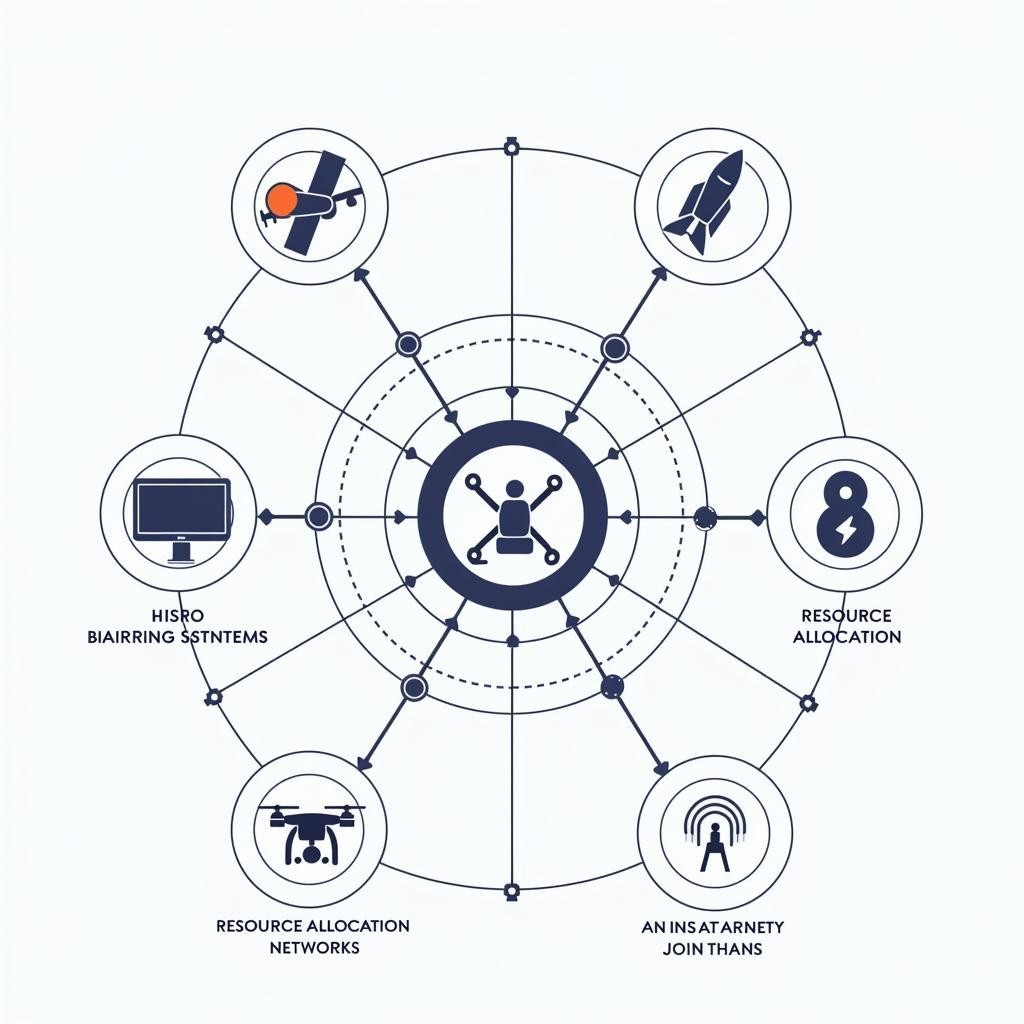 Triển vọng ứng dụng công nghệ trí tuệ nhân tạo trong quản lý và dự báo thiên tai
Passage 2 – Giải Thích
Câu 14: C
- Dạng câu hỏi: Matching Information
- Từ khóa: AI systems not providing clear explanations
- Vị trí trong bài: Section C, đoạn 1
- Giải thích: Section C thảo luận về “black boxes” và “lack of interpretability” – vấn đề AI không thể giải thích rõ ràng cách đưa ra quyết định.
Câu 15: A
- Dạng câu hỏi: Matching Information
- Từ khóa: insufficient historical disaster records
- Vị trí trong bài: Section A, đoạn 1
- Giải thích: Section A đề cập “Many regions, particularly in developing countries, lack comprehensive historical records of past disasters”.
Câu 20: technological foundation / computational infrastructure
- Dạng câu hỏi: Summary Completion
- Từ khóa: vulnerable regions lack
- Vị trí trong bài: Section B, đoạn 1
- Giải thích: Bài viết nói “Many regions most vulnerable to disasters lack this technological foundation” hoặc đoạn trước đó đề cập “substantial computational infrastructure”.
Câu 24: YES
- Dạng câu hỏi: Yes/No/Not Given
- Từ khóa: Private companies, higher salaries, AI specialists
- Vị trí trong bài: Section C, đoạn 2
- Giải thích: Bài viết khẳng định “private companies offer more lucrative compensation packages”, cho thấy tác giả đồng ý với nhận định này.
Passage 3 – Giải Thích
Câu 27: B
- Dạng câu hỏi: Multiple Choice
- Từ khóa: determining accountability difficult
- Vị trí trong bài: Đoạn 2, dòng 3-6
- Giải thích: Bài viết giải thích “AI systems diffuse this accountability across multiple actors—the algorithms’ designers, the data providers, the agencies implementing the systems, and the officials who act upon AI recommendations”. Đáp án B tóm tắt chính xác điểm này.
Câu 28: C
- Dạng câu hỏi: Multiple Choice
- Từ khóa: black box problem
- Vị trí trong bài: Đoạn 3, dòng 1-3
- Giải thích: Định nghĩa được đưa ra rõ ràng: “the ‘black box problem’—the fact that sophisticated deep learning systems make decisions through processes that even their creators cannot fully explain”.
Câu 30: D
- Dạng câu hỏi: Multiple Choice
- Từ khóa: algorithmic bias, lead to
- Vị trí trong bài: Đoạn 5, dòng 5-8
- Giải thích: Bài viết mô tả “vicious cycle”: areas with less historical protection generate less data, leading to poorer AI performance, reinforcing inadequate response. Đáp án D phản ánh đúng chu trình này.
Câu 37: governance frameworks
- Dạng câu hỏi: Short-answer (3 words maximum)
- Từ khóa: remain underdeveloped
- Vị trí trong bài: Đoạn cuối section về Privacy
- Giải thích: Câu cuối nói “such governance frameworks remain underdeveloped in most jurisdictions”.
Câu 38: emotional factors, institutional bottlenecks
- Dạng câu hỏi: Short-answer (3 words maximum)
- Từ khóa: human decision-making, limitations
- Vị trí trong bài: Section về Autonomy, đoạn 1
- Giải thích: Bài viết liệt kê ba yếu tố: “cognitive limitations, emotional factors, and institutional bottlenecks”.
Từ Vựng Quan Trọng Theo Passage
Passage 1 – Essential Vocabulary
| Từ vựng | Loại từ | Phiên âm | Nghĩa tiếng Việt | Ví dụ từ bài | Collocation |
|---|---|---|---|---|---|
| catastrophic | adj | /ˌkætəˈstrɒfɪk/ | thảm khốc, tai hại | catastrophic events cause tremendous loss | catastrophic failure, catastrophic consequences |
| urbanization | n | /ˌɜːbənaɪˈzeɪʃn/ | đô thị hóa | largely due to climate change and urbanization | rapid urbanization, urban planning |
| unprecedented | adj | /ʌnˈpresɪdentɪd/ | chưa từng có | unprecedented accuracy | unprecedented scale, unprecedented speed |
| perception | n | /pəˈsepʃn/ | nhận thức, tri giác | visual perception | sensory perception, public perception |
| algorithm | n | /ˈælɡərɪðəm/ | thuật toán | machine learning algorithms | complex algorithm, algorithm design |
| seismic | adj | /ˈsaɪzmɪk/ | thuộc về địa chấn | real-time seismic activity | seismic data, seismic waves |
| evacuate | v | /ɪˈvækjueɪt/ | sơ tán | giving communities time to evacuate | evacuate residents, evacuation routes |
| deploy | v | /dɪˈplɔɪ/ | triển khai, phân bổ | optimize deployment decisions | deploy resources, deploy personnel |
| logistics | n | /ləˈdʒɪstɪks/ | hậu cần | logistics management | logistics planning, logistics support |
| infrastructure | n | /ˈɪnfrəstrʌktʃə(r)/ | cơ sở hạ tầng | critical infrastructure | infrastructure damage, infrastructure development |
| augment | v | /ɔːɡˈment/ | tăng cường, bổ sung | augments human expertise | augment capacity, augment resources |
| integrity | n | /ɪnˈteɡrəti/ | tính toàn vẹn | monitoring dam integrity | structural integrity, data integrity |
Passage 2 – Essential Vocabulary
| Từ vựng | Loại từ | Phiên âm | Nghĩa tiếng Việt | Ví dụ từ bài | Collocation |
|---|---|---|---|---|---|
| fraught | adj | /frɔːt/ | đầy rẫy, chứa đựng nhiều | fraught with substantial challenges | fraught with danger, fraught with difficulties |
| interoperability | n | /ˌɪntərˌɒpərəˈbɪləti/ | khả năng tương tác | interoperability concerns | system interoperability, technical interoperability |
| comprehensive | adj | /ˌkɒmprɪˈhensɪv/ | toàn diện, bao quát | comprehensive historical records | comprehensive analysis, comprehensive coverage |
| incompatible | adj | /ˌɪnkəmˈpætəbl/ | không tương thích | incompatible formats | incompatible systems, incompatible data |
| perpetuate | v | /pəˈpetʃueɪt/ | làm kéo dài, duy trì | perpetuate these biases | perpetuate stereotypes, perpetuate inequality |
| non-stationarity | n | /nɒn-ˌsteɪʃəˈnærəti/ | tính không dừng | non-stationarity of disaster patterns | statistical non-stationarity |
| substantial | adj | /səbˈstænʃl/ | đáng kể, lớn lao | substantial computational infrastructure | substantial investment, substantial progress |
| retention | n | /rɪˈtenʃn/ | sự giữ lại, duy trì | retention difficulties | employee retention, talent retention |
| interdisciplinary | adj | /ˌɪntəˈdɪsəplɪnəri/ | liên ngành | interdisciplinary expertise | interdisciplinary approach, interdisciplinary research |
| legacy system | n | /ˈleɡəsi ˈsɪstəm/ | hệ thống cũ/kế thừa | legacy systems operate | legacy infrastructure, legacy technology |
| middleware | n | /ˈmɪdlweə(r)/ | phần mềm trung gian | middleware development | integration middleware |
| institutional resistance | n | /ˌɪnstɪˈtjuːʃənl rɪˈzɪstəns/ | sự kháng cự của tổ chức | encounter institutional resistance | overcome resistance, cultural resistance |
| obsolete | adj | /ˈɒbsəliːt/ | lỗi thời, lạc hậu | become obsolete | obsolete technology, obsolete equipment |
| refinement | n | /rɪˈfaɪnmənt/ | sự tinh chỉnh, cải tiến | algorithm refinement | continuous refinement, process refinement |
Passage 3 – Essential Vocabulary
| Từ vựng | Loại từ | Phiên âm | Nghĩa tiếng Việt | Ví dụ từ bài | Collocation |
|---|---|---|---|---|---|
| encompass | v | /ɪnˈkʌmpəs/ | bao gồm, bao quát | encompassing ethical dilemmas | encompass a range, encompass aspects |
| multifaceted | adj | /ˌmʌltiˈfæsɪtɪd/ | nhiều mặt, đa chiều | multifaceted dimensions | multifaceted approach, multifaceted problem |
| accountability | n | /əˌkaʊntəˈbɪləti/ | trách nhiệm giải trình | questions of accountability | public accountability, corporate accountability |
| paramount | adj | /ˈpærəmaʊnt/ | tối quan trọng, tối thượng | accountability becomes paramount | paramount importance, paramount concern |
| hierarchical | adj | /ˌhaɪəˈrɑːkɪkl/ | có thứ bậc | hierarchical responsibility structures | hierarchical structure, hierarchical organization |
| diffuse | v | /dɪˈfjuːz/ | lan tỏa, phân tán | AI systems diffuse accountability | diffuse responsibility, diffuse power |
| opaque | adj | /əʊˈpeɪk/ | mờ đục, không trong suốt | opaque algorithms | opaque processes, opaque decision-making |
| interpretability | n | /ɪnˌtɜːprɪtəˈbɪləti/ | tính khả diễn giải | interpretability deficit | model interpretability, algorithm interpretability |
| due process | n | /djuː ˈprəʊses/ | quy trình hợp pháp | principles of due process | due process rights, due process clause |
| perpetuate | v | /pəˈpetʃueɪt/ | làm trường tồn | perpetuate existing inequalities | perpetuate discrimination, perpetuate stereotypes |
| discriminatory | adj | /dɪˈskrɪmɪnətri/ | phân biệt đối xử | discriminatory patterns | discriminatory practices, discriminatory policies |
| vicious cycle | n | /ˈvɪʃəs ˈsaɪkl/ | vòng luẩn quẩn | creates a vicious cycle | break the cycle, perpetuate a cycle |
| inequitable | adj | /ɪnˈekwɪtəbl/ | bất công, thiếu công bằng | inequitable outcomes | inequitable distribution, inequitable treatment |
| utilitarian | adj | /ˌjuːtɪlɪˈteəriən/ | theo thuyết vị lợi | utilitarian frameworks | utilitarian approach, utilitarian ethics |
| egalitarian | adj | /ɪˌɡælɪˈteəriən/ | theo chủ nghĩa bình đẳng | egalitarian frameworks | egalitarian society, egalitarian principles |
| dual-use | adj | /ˈdjuːəl juːs/ | hai mục đích | dual-use nature | dual-use technology, dual-use capability |
| securitization | n | /sɪˌkjʊərɪtaɪˈzeɪʃn/ | chứng khoán hóa/an ninh hóa | securitization of disaster management | process of securitization |
| mission creep | n | /ˈmɪʃn kriːp/ | sự mở rộng nhiệm vụ | protect against mission creep | prevent mission creep, avoid mission creep |
| sunset provision | n | /ˈsʌnset prəˈvɪʒn/ | điều khoản kết thúc | sunset provisions | include sunset provisions |
| autonomy | n | /ɔːˈtɒnəmi/ | tính tự chủ | machine autonomy | maintain autonomy, grant autonomy |
| bottleneck | n | /ˈbɒtlnek/ | nút cổ chai | institutional bottlenecks | create bottlenecks, remove bottlenecks |
| adaptive flexibility | n | /əˈdæptɪv ˌfleksəˈbɪləti/ | tính linh hoạt thích ứng | adaptive flexibility | demonstrate flexibility, require flexibility |
| moral agency | n | /ˈmɒrəl ˈeɪdʒənsi/ | quyền tự chủ đạo đức | moral agency | exercise moral agency, moral responsibility |
| automation bias | n | /ˌɔːtəˈmeɪʃn ˈbaɪəs/ | thiên lệch tự động hóa | automation bias | overcome automation bias, automation bias effect |
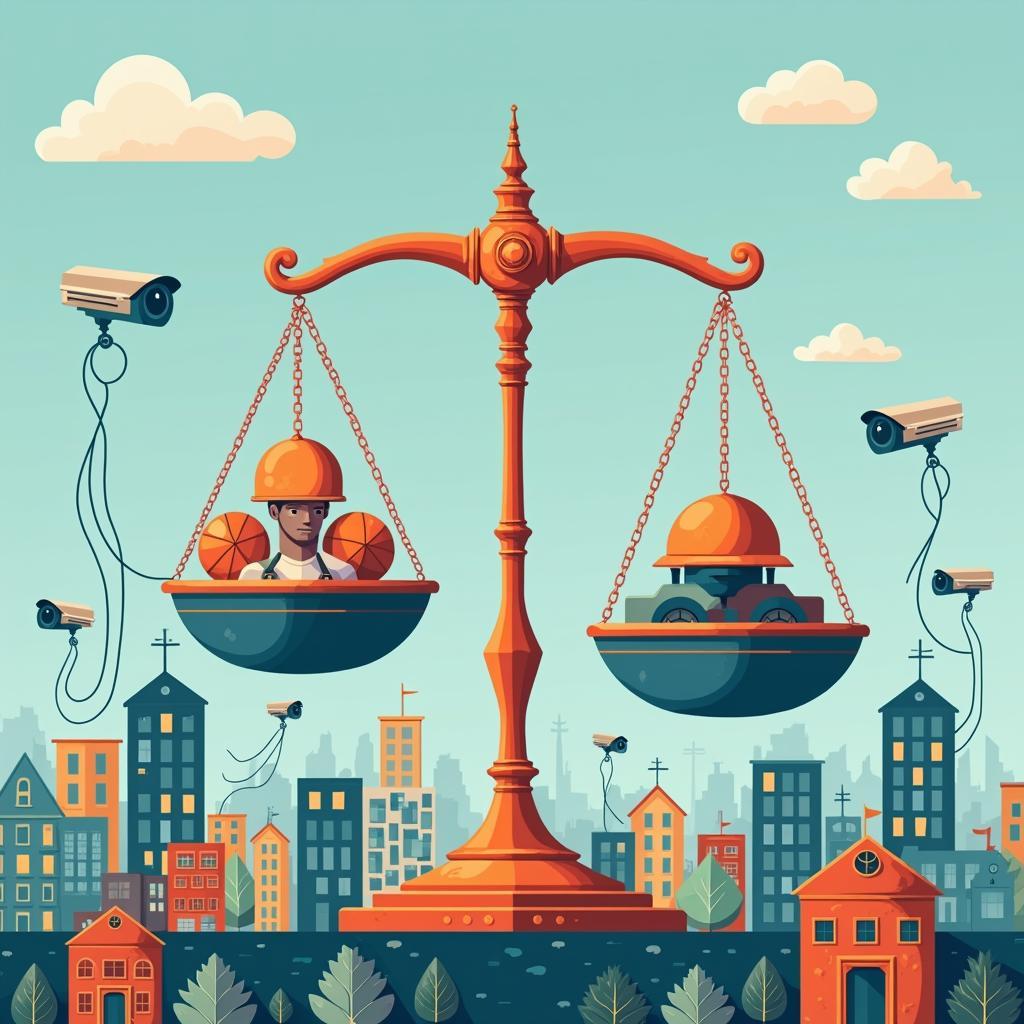 Các vấn đề đạo đức và quản trị khi sử dụng AI trong quản lý khủng hoảng và thảm họa
Kết bài
Chủ đề tích hợp AI vào các kế hoạch ứng phó thảm họa không chỉ phản ánh xu hướng công nghệ hiện đại mà còn đặt ra nhiều câu hỏi sâu sắc về kỹ thuật, đạo đức và quản trị xã hội. Qua đề thi IELTS Reading mẫu này, bạn đã được trải nghiệm đầy đủ ba mức độ khó từ cơ bản đến nâng cao, với 40 câu hỏi đa dạng bao trùm tất cả các dạng bài thường gặp trong kỳ thi thật.
Ba passages đã cung cấp góc nhìn toàn diện về chủ đề: từ những triển vọng hứa hẹn của AI trong disaster management (Passage 1), qua các thách thức kỹ thuật và thực tiễn (Passage 2), đến những vấn đề đạo đức và quản trị phức tạp (Passage 3). Mỗi passage được thiết kế với độ phức tạp ngôn ngữ và nội dung tăng dần, giúp bạn phát triển kỹ năng đọc hiểu một cách tự nhiên.
Phần đáp án chi tiết không chỉ cung cấp câu trả lời đúng mà còn giải thích logic, vị trí thông tin và cách paraphrase – những kỹ năng then chốt để đạt band điểm cao. Bảng từ vựng theo từng passage giúp bạn xây dựng vốn từ học thuật cần thiết, đặc biệt là các collocations và academic phrases thường xuất hiện trong IELTS.
Hãy sử dụng đề thi này như một công cụ luyện tập thực chiến: làm bài trong đúng 60 phút, tự chấm điểm, phân tích sai lầm và học từ vựng mới. Với sự luyện tập kiên trì và phương pháp đúng đắn, bạn hoàn toàn có thể chinh phục IELTS Reading và đạt được band điểm mục tiêu. Chúc bạn ôn tập hiệu quả và thành công trong kỳ thi sắp tới!