Mở bài
Trí tuệ nhân tạo (AI) đang ngày càng thâm nhập sâu vào mọi ngành nghề, và lĩnh vực pháp lý cũng không ngoại lệ. Câu hỏi “What Are The Challenges Of Regulating AI In The Legal Sector?” (Những thách thức trong việc quản lý AI tại ngành pháp lý là gì?) đã trở thành chủ đề được quan tâm rộng rãi trong các đề thi IELTS Reading gần đây, đặc biệt xuất hiện nhiều trong các bộ đề từ năm 2020 trở lại đây.
Chủ đề về công nghệ, pháp luật và AI thường xuyên xuất hiện trong IELTS Reading với tần suất khoảng 15-20% tổng số đề thi. Đây là những bài đọc yêu cầu khả năng hiểu thuật ngữ chuyên ngành, nắm bắt các luận điểm phức tạp và phân tích mối quan hệ nhân quả.
Trong bài viết này, bạn sẽ được:
- Làm quen với đề thi đầy đủ 3 passages về chủ đề AI và pháp luật, từ dễ đến khó
- Thực hành với 40 câu hỏi đa dạng theo đúng format thi thật
- Nhận đáp án chi tiết kèm giải thích rõ ràng về cách tìm thông tin
- Tích lũy từ vựng chuyên ngành về công nghệ và pháp lý
- Học các kỹ thuật làm bài hiệu quả cho từng dạng câu hỏi
Đề thi này phù hợp cho học viên có trình độ từ band 5.0 trở lên và muốn nâng cao kỹ năng đọc hiểu học thuật.
Hướng dẫn làm bài IELTS Reading
Tổng Quan Về IELTS Reading Test
IELTS Reading Test là bài kiểm tra kéo dài 60 phút bao gồm 3 passages với độ khó tăng dần. Bạn cần hoàn thành 40 câu hỏi trong thời gian này, bao gồm cả thời gian chép đáp án vào answer sheet.
Phân bổ thời gian khuyến nghị:
- Passage 1: 15-17 phút (13 câu hỏi) – Độ khó: Dễ
- Passage 2: 18-20 phút (13 câu hỏi) – Độ khó: Trung bình
- Passage 3: 23-25 phút (14 câu hỏi) – Độ khó: Khó
Lưu ý: Không có thời gian bổ sung để chép đáp án như phần Listening, vì vậy bạn nên ghi đáp án trực tiếp vào answer sheet trong khi làm bài.
Các Dạng Câu Hỏi Trong Đề Này
Đề thi mẫu này bao gồm 7 dạng câu hỏi phổ biến trong IELTS Reading:
- Multiple Choice – Chọn đáp án đúng từ các lựa chọn cho sẵn
- True/False/Not Given – Xác định thông tin đúng, sai hay không được đề cập
- Matching Information – Nối thông tin với đoạn văn tương ứng
- Yes/No/Not Given – Xác định quan điểm của tác giả
- Matching Headings – Chọn tiêu đề phù hợp cho từng đoạn
- Summary Completion – Điền từ vào chỗ trống trong đoạn tóm tắt
- Short-answer Questions – Trả lời câu hỏi ngắn dựa trên thông tin trong bài
IELTS Reading Practice Test
PASSAGE 1 – The Rise of Artificial Intelligence in Modern Legal Practice
Độ khó: Easy (Band 5.0-6.5)
Thời gian đề xuất: 15-17 phút
The legal profession, long characterized by extensive research, document review, and complex case analysis, is experiencing a technological revolution through the integration of artificial intelligence. Law firms worldwide are increasingly adopting AI-powered tools to enhance their operational efficiency and deliver better services to clients. This transformation is reshaping how lawyers work and how legal services are provided.
AI applications in law have become remarkably diverse. One of the most common uses is in legal research, where AI systems can analyze thousands of case files, statutes, and legal documents in seconds, a task that would traditionally require hours or days of manual work. These systems use natural language processing to understand legal queries and retrieve relevant information with impressive accuracy. For instance, ROSS Intelligence, an AI legal research platform, can answer legal questions and provide supporting evidence from a vast database of legal materials.
Another significant application is in contract analysis and review. AI programs can examine contracts to identify potential risks, inconsistencies, or non-standard clauses much faster than human reviewers. Companies like LawGeex have developed AI systems that can review standard contracts with accuracy rates comparable to experienced lawyers, but in a fraction of the time. This capability is particularly valuable for businesses that handle large volumes of contracts regularly.
Predictive analytics represents another frontier in legal AI. By analyzing historical case data, AI systems can predict case outcomes, helping lawyers develop better strategies and clients make more informed decisions about whether to pursue litigation. These tools examine factors such as the judge assigned to a case, the jurisdiction, previous rulings on similar matters, and the parties involved to generate probability assessments of various outcomes.
Document automation is also transforming routine legal work. AI can generate standard legal documents such as wills, non-disclosure agreements, and simple contracts by using templates and client-provided information. This automation allows lawyers to focus on more complex, value-added activities while routine document preparation is handled efficiently by technology.
The benefits of AI in legal practice are substantial. Cost reduction is perhaps the most immediate advantage, as AI can perform certain tasks at a fraction of the cost of human labor. This makes legal services more accessible to individuals and small businesses who might otherwise find them prohibitively expensive. Additionally, AI never gets tired, ensuring consistent quality even when processing large volumes of work.
Accuracy improvements are another major benefit. AI systems don’t suffer from the human limitations of fatigue, distraction, or oversight. When properly trained, they can identify relevant information and potential issues with remarkable precision. This is especially valuable in due diligence processes where missing a critical detail could have serious consequences.
However, the introduction of AI into legal practice is not without concerns. Many legal professionals worry about job displacement, particularly for junior lawyers and paralegals who traditionally handle much of the research and document review work that AI now performs. Law schools are grappling with how to prepare students for a future where many traditional entry-level tasks may be automated.
There are also questions about the transparency of AI decision-making. Unlike human reasoning, which can be explained and questioned, AI systems often operate as “black boxes,” making decisions through complex algorithms that even their creators may not fully understand. This opacity raises concerns about accountability when AI systems make errors or produce biased results.
Despite these challenges, most experts agree that AI will continue to expand its role in legal practice. The key, they suggest, is finding the right balance between technological efficiency and human judgment, ensuring that AI serves as a tool to augment rather than replace human legal expertise. As one prominent legal technology expert noted, “The lawyers of the future won’t be replaced by AI, but lawyers who use AI will replace those who don’t.”
The ongoing evolution of AI in law reflects a broader trend across professional services. As these technologies mature, the legal profession must adapt, developing new skills and ethical frameworks to harness AI’s potential while mitigating its risks. The firms and lawyers who successfully navigate this transition will likely find themselves well-positioned in an increasingly competitive and technology-driven legal marketplace.
Questions 1-5: Multiple Choice
Choose the correct letter, A, B, C, or D.
-
According to the passage, what is one of the primary uses of AI in legal research?
A. Writing legal opinions for lawyers
B. Analyzing thousands of documents quickly
C. Replacing judges in courtrooms
D. Training new lawyers -
What does the passage say about LawGeex’s AI system?
A. It is less accurate than human lawyers
B. It can only review complex contracts
C. It reviews standard contracts with comparable accuracy to experienced lawyers
D. It has replaced all contract lawyers -
Predictive analytics in legal AI helps by:
A. Guaranteeing case outcomes
B. Replacing judges’ decisions
C. Analyzing historical data to predict probable outcomes
D. Writing legal briefs automatically -
According to the passage, how does AI benefit small businesses seeking legal services?
A. By making legal services more affordable
B. By providing free legal advice
C. By eliminating the need for lawyers
D. By simplifying all legal procedures -
What concern is raised about AI decision-making in the legal field?
A. It is too expensive to implement
B. It operates as a “black box” with limited transparency
C. It is always biased against certain groups
D. It cannot process large amounts of data
Questions 6-9: True/False/Not Given
Do the following statements agree with the information given in the passage?
Write:
- TRUE if the statement agrees with the information
- FALSE if the statement contradicts the information
- NOT GIVEN if there is no information on this
-
AI systems in law can work continuously without experiencing fatigue like humans do.
-
All law schools have fully integrated AI training into their curricula.
-
AI systems in legal practice always provide explanations for their decisions that humans can easily understand.
-
Junior lawyers and paralegals are concerned about potential job losses due to AI automation.
Questions 10-13: Sentence Completion
Complete the sentences below.
Choose NO MORE THAN THREE WORDS from the passage for each answer.
-
AI programs can identify potential risks and __ in contracts faster than human reviewers.
-
Document automation allows lawyers to concentrate on more complex and __ activities.
-
One major advantage of AI is that it can maintain __ even when handling large workloads.
-
Experts suggest that AI should __ human legal expertise rather than replace it entirely.
PASSAGE 2 – Regulatory Challenges in the Age of Legal AI
Độ khó: Medium (Band 6.0-7.5)
Thời gian đề xuất: 18-20 phút
As artificial intelligence becomes increasingly embedded in legal practice, regulators and policymakers face unprecedented challenges in establishing appropriate oversight mechanisms. The unique characteristics of AI systems—their complexity, opacity, and capacity for autonomous learning—present difficulties that traditional legal frameworks were not designed to address. This regulatory gap has become a source of considerable debate among legal scholars, technology experts, and practitioners alike.
One of the most fundamental challenges concerns accountability when AI systems make errors or produce harmful outcomes. In traditional legal practice, professional responsibility is clearly defined: lawyers are accountable for their work, and established disciplinary mechanisms exist to address malpractice. However, when an AI system provides flawed legal analysis or overlooks critical information, determining who bears responsibility becomes considerably more complex. Is it the software developer, the law firm that deployed the system, the lawyer who relied on its output, or some combination of these parties? Current legal frameworks struggle to provide clear answers to these questions.
The problem is compounded by the technical complexity of modern AI systems. Many utilize machine learning algorithms that evolve and improve through exposure to data, meaning their decision-making processes can change over time in ways that even their creators may not fully anticipate. This dynamic nature makes it difficult to establish fixed standards for performance and reliability. A system that functions appropriately during testing might develop unforeseen behaviors when deployed in real-world conditions, particularly if it encounters data patterns significantly different from its training set.
Bias and discrimination represent another critical regulatory concern. AI systems learn from historical data, and if that data reflects past prejudices or systemic inequalities, the AI may perpetuate or even amplify these biases. In the legal context, this is particularly troubling. For example, AI systems used in predictive policing or sentencing recommendations have been found to demonstrate racial bias, leading to disproportionate impacts on minority communities. Regulators must determine how to prevent such biases while recognizing that completely eliminating them may be technically impossible given the nature of the data these systems process.
Data privacy and security present yet another regulatory dimension. Legal AI systems typically require access to vast amounts of data, including sensitive client information, to function effectively. This raises questions about how such data should be collected, stored, and protected. The European Union’s General Data Protection Regulation (GDPR) has established stringent requirements for data handling, including a “right to explanation” for decisions made by automated systems. However, implementing these requirements in the context of sophisticated AI systems proves challenging, particularly when the systems operate through neural networks whose internal processes are inherently difficult to explain in human-understandable terms.
The cross-jurisdictional nature of both AI technology and legal practice adds another layer of complexity. AI systems developed in one country may be deployed in another with entirely different legal traditions and regulatory frameworks. A system trained on U.S. legal data and precedents, for instance, may not function appropriately when applied to cases under civil law systems in Europe or Asia. Yet the global nature of technology development and the international operations of many law firms mean that such cross-border applications are increasingly common. Regulators must consider how to address this reality while respecting national sovereignty and legal traditions.
Professional competence standards also require reconsideration in the age of AI. Traditionally, lawyers demonstrate competence through their knowledge of law and their analytical abilities. However, as AI tools become integral to legal practice, should competence standards also encompass understanding of these technologies? Some argue that lawyers must understand the capabilities and limitations of the AI tools they use, including their potential for error and bias. This raises questions about legal education and continuing professional development requirements. Should law schools be required to teach AI literacy? Should practicing lawyers be obligated to complete training on AI tools they employ?
The pace of technological change presents a meta-regulatory challenge. Traditional regulatory approaches involve establishing rules and standards that remain relatively stable over time. However, AI technology evolves rapidly, with new capabilities and applications emerging constantly. Regulations crafted today may become obsolete before they’re fully implemented. This has led some experts to advocate for principles-based regulation rather than prescriptive rules—establishing broad objectives and requirements while allowing flexibility in how they’re met. Others worry that such approaches may provide insufficient guidance and allow too much room for problematic practices to develop.
International coordination emerges as both a challenge and a potential solution. Organizations like the Organisation for Economic Co-operation and Development (OECD) have begun developing principles for AI governance that could serve as a foundation for more harmonized approaches across jurisdictions. However, achieving meaningful international consensus is complicated by divergent priorities, values, and technological capabilities among nations. Some countries prioritize innovation and economic competitiveness, favoring lighter-touch regulation, while others emphasize consumer protection and ethical considerations, leading to more restrictive approaches.
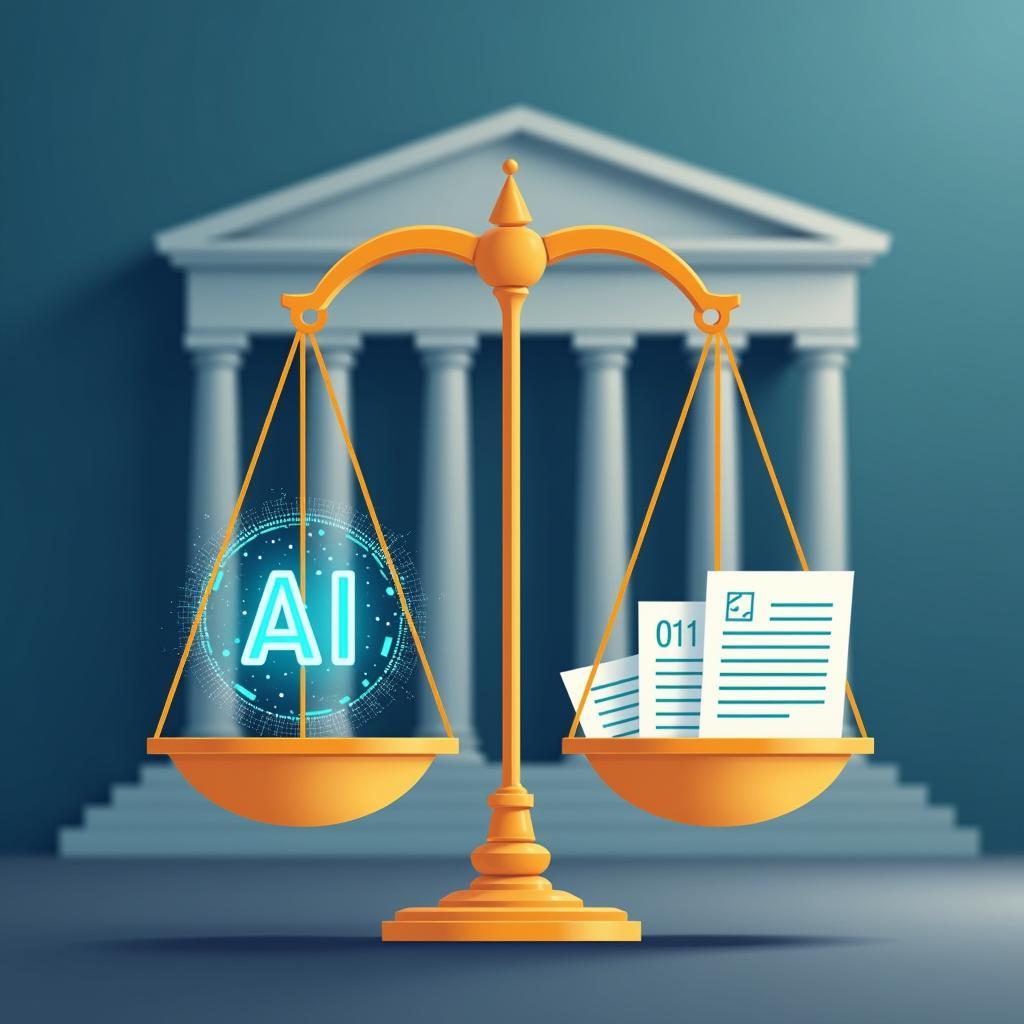 Những thách thức trong quản lý và điều tiết AI trong lĩnh vực pháp lý hiện đại
The enforcement dimension also presents unique difficulties. How can regulators effectively monitor and enforce compliance when dealing with complex technical systems that may operate largely autonomously? Traditional enforcement often relies on audits and inspections, but these approaches may be inadequate for AI systems whose behaviors can change dynamically and whose operations may be difficult for non-specialists to evaluate. Some propose requiring algorithmic audits by independent experts, but the shortage of professionals with both legal and technical expertise makes this challenging to implement at scale.
Looking forward, many experts advocate for regulatory sandboxes—controlled environments where AI applications can be tested under regulatory supervision before wider deployment. This approach, already used in financial technology regulation, could allow regulators to better understand AI capabilities and risks while enabling responsible innovation. However, critics worry that sandboxes might create two-tier systems where well-resourced organizations can participate while smaller players are excluded, potentially entrenching market power among established firms.
Questions 14-18: Yes/No/Not Given
Do the following statements agree with the views of the writer in the passage?
Write:
- YES if the statement agrees with the views of the writer
- NO if the statement contradicts the views of the writer
- NOT GIVEN if it is impossible to say what the writer thinks about this
-
Current legal frameworks adequately address accountability issues when AI systems make errors.
-
Completely eliminating bias from AI systems may not be technically feasible.
-
All countries should adopt identical regulations for legal AI systems.
-
Lawyers should be required to understand the AI tools they use in their practice.
-
Regulatory sandboxes are the best solution for managing AI in legal practice.
Questions 19-23: Matching Information
Which paragraph contains the following information?
Write the correct letter, A-K.
Note: Paragraphs are labeled in order from the first paragraph (A) to the last (K).
-
A reference to the difficulty of monitoring AI systems that can operate independently
-
An example of AI demonstrating prejudice in criminal justice applications
-
A description of challenges posed by AI systems being used across different countries
-
A mention of an international organization developing AI governance principles
-
An explanation of why AI systems can behave differently after initial testing
Questions 24-26: Summary Completion
Complete the summary below.
Choose NO MORE THAN TWO WORDS from the passage for each answer.
The regulation of AI in legal practice faces numerous challenges. One major issue is determining 24. __ when AI systems produce harmful results. This problem is made worse by the 25. __ of modern AI systems, which can evolve through machine learning. Additionally, the rapid 26. __ means that regulations may become outdated quickly, leading some experts to favor principles-based approaches over fixed rules.
PASSAGE 3 – Towards Effective Governance Frameworks for Legal AI: Balancing Innovation and Protection
Độ khó: Hard (Band 7.0-9.0)
Thời gian đề xuất: 23-25 phút
The imperative to develop robust governance frameworks for artificial intelligence in the legal sector has become increasingly acute as these technologies transition from experimental applications to integral components of mainstream legal practice. The task facing regulators and policymakers is formidable: how to craft regulatory approaches that adequately protect against genuine risks without stifling innovation or imposing disproportionate burdens on legal service providers. This challenge is further complicated by the multifaceted nature of AI systems themselves, which defy easy categorization and resist the binary classifications that have traditionally characterized legal regulation.
Contemporary discourse on AI governance in legal practice has coalesced around several competing theoretical frameworks, each offering distinct perspectives on the appropriate regulatory paradigm. The precautionary approach advocates for stringent ex-ante regulation, arguing that the potential ramifications of AI errors in legal contexts—wrongful convictions, unjust outcomes, erosion of due process—are sufficiently grave to warrant restrictive oversight even at the cost of slower technological adoption. Proponents of this view often cite the irreversible harms that can result from flawed algorithmic decision-making in legal proceedings, suggesting that society cannot afford to adopt a trial-and-error approach when fundamental rights are at stake.
Conversely, the innovation-permissive framework emphasizes the transformative potential of legal AI to democratize access to justice, reduce costs, and improve the quality of legal services. Advocates of this perspective argue that overly restrictive regulation risks entrenching the very problems AI might solve—particularly the prohibitive expense of legal services that places them beyond the reach of many individuals and small organizations. They contend that regulatory approaches should focus on outcome-based standards rather than prescriptive technical requirements, allowing flexibility in how AI developers and legal practitioners achieve legitimate regulatory objectives.
A third, increasingly influential perspective promotes what might be termed adaptive governance—regulatory frameworks explicitly designed to evolve alongside technological development. This approach acknowledges the inherent limitations of traditional rule-based regulation in contexts characterized by rapid technological change and uncertainty. Instead of establishing fixed rules that may quickly become obsolete or inappropriate, adaptive governance emphasizes iterative processes, ongoing monitoring, and regulatory learning. The Singaporean approach to AI regulation exemplifies this model, with authorities establishing broad principles while engaging in continuous dialogue with industry stakeholders and maintaining flexibility to adjust requirements as understanding of the technology deepens.
The question of appropriate regulatory instruments presents additional complexity. Traditional legal regulation has relied heavily on licensing requirements, professional standards, and liability regimes to ensure quality and accountability. However, the distinctive characteristics of AI systems render these conventional tools problematic in various ways. Licensing schemes, for instance, typically require demonstration of competence through standardized assessments. Yet how does one assess the competence of an AI system whose capabilities may vary depending on the specific data it encounters and which may improve or degrade over time through machine learning? Static certification at a point in time provides limited assurance about ongoing performance.
Similarly, traditional liability frameworks assume clearly identifiable agents whose actions can be causally linked to specific harms. The distributed nature of AI development and deployment—involving data providers, algorithm developers, system integrators, deploying organizations, and end users—creates what legal scholars have termed “liability gaps” where harm occurs but no single party can be held clearly responsible under existing legal doctrines. Some jurisdictions have begun exploring strict liability regimes for AI systems, making developers or deployers liable for harms regardless of negligence, but this approach raises concerns about potentially discouraging beneficial innovation and creating insurance challenges.
The technical inscrutability of advanced AI systems presents particularly vexing governance challenges. Many contemporary AI systems, particularly those utilizing deep learning techniques, operate through neural networks containing millions or billions of parameters whose interactions produce outcomes that cannot be meaningfully explained through human-interpretable rules. This “black box problem” creates tension with fundamental legal principles—particularly the right to understand and challenge the basis for decisions affecting one’s interests. The European Union has attempted to address this through GDPR’s “right to explanation,” but implementing this requirement for sophisticated AI systems has proven technically challenging and potentially infeasible for certain algorithmic architectures.
Regulatory responses to the explainability challenge have varied considerably across jurisdictions. Some authorities have proposed tiered approaches where the stringency of explainability requirements varies with the stakes involved—more demanding standards for AI systems used in criminal proceedings or immigration decisions, less stringent requirements for systems performing routine administrative tasks. Others advocate for procedural safeguards rather than technical transparency, ensuring that AI-assisted decisions remain subject to meaningful human review even if the AI’s internal reasoning cannot be fully explained. The United States’ COMPAS case—where algorithmic risk assessments were used in sentencing decisions despite limited transparency about the underlying methodology—has become a touchstone in debates about appropriate safeguards.
The data governance dimension has emerged as equally critical. Legal AI systems require extensive training data to function effectively, yet the collection, processing, and retention of such data raise profound privacy and security concerns. Legal information is often highly sensitive, involving confidential client communications, privileged materials, and personal details about individuals’ legal troubles. Unauthorized disclosure or data breaches could have devastating consequences for affected individuals. Moreover, the use of historical legal data to train AI systems raises equity concerns—if past legal decisions reflected systemic biases, AI systems trained on this data may perpetuate these injustices even as they purport to provide objective analysis.
Addressing these challenges requires multi-dimensional governance strategies that extend beyond traditional regulatory mechanisms. Technical standards and certification programs can establish baseline requirements for AI system design, testing, and deployment. Professional guidelines and ethical codes can provide direction for legal practitioners using AI tools, clarifying responsibilities and best practices. Transparency requirements—mandating disclosure when AI systems are used in legal proceedings or decision-making—can enable appropriate scrutiny and accountability. Algorithmic impact assessments, analogous to environmental impact assessments, could require organizations deploying legal AI to systematically evaluate potential risks before implementation.
 Khung quản trị và cân bằng đổi mới công nghệ AI trong hệ thống pháp luật
The role of professional bodies and industry self-regulation deserves particular attention. Bar associations and law societies traditionally regulate legal practice through professional standards and disciplinary processes. These institutions possess specialized expertise and understanding of legal practice that governmental regulators may lack, positioning them to develop nuanced guidance on AI use. However, self-regulatory approaches also raise concerns about regulatory capture—the risk that professional bodies might prioritize members’ interests over public protection. Optimal governance arrangements likely involve collaboration between professional organizations and public authorities, leveraging the strengths of each.
International harmonization efforts have gained momentum as stakeholders recognize that divergent regulatory approaches across jurisdictions create inefficiencies and compliance challenges for AI systems deployed globally. The OECD AI Principles, endorsed by over forty countries, represent an important step toward convergence, establishing high-level commitments to human-centered values, transparency, and accountability. The Global Partnership on AI (GPAI), launched in 2020, provides a multilateral forum for knowledge-sharing and policy development. However, translating these aspirational principles into concrete regulatory frameworks remains challenging, particularly given significant differences in legal traditions, cultural values, and technological capabilities across nations.
Looking forward, effective AI governance in the legal sector will likely require ongoing experimentation and adaptation. The nascent nature of these technologies and their potential trajectories mean that definitive optimal approaches remain elusive. Regulatory sandboxes, pilot programs, and iterative policy development offer mechanisms for learning-by-doing, enabling regulators to refine approaches based on empirical evidence rather than theoretical predictions. Crucially, governance frameworks must remain sufficiently flexible to accommodate future technological developments while maintaining core commitments to justice, fairness, and the rule of law—the fundamental values that legal systems exist to protect.
Questions 27-31: Multiple Choice
Choose the correct letter, A, B, C, or D.
-
According to the passage, the precautionary approach to AI regulation in legal practice:
A. Prioritizes rapid technological development over safety concerns
B. Advocates for strict regulation even if it slows technology adoption
C. Supports flexible regulation that adapts to technological change
D. Focuses exclusively on criminal law applications -
What does the passage identify as a limitation of traditional licensing schemes for AI systems?
A. They are too expensive to implement
B. They require too much technical knowledge
C. AI capabilities can change over time, making point-in-time certification inadequate
D. AI systems cannot pass standardized assessments -
The “black box problem” in AI systems refers to:
A. The high cost of developing AI systems
B. The difficulty in understanding how advanced AI systems reach their conclusions
C. The tendency of AI systems to produce biased outcomes
D. The security vulnerabilities in AI software -
According to the passage, the COMPAS case in the United States:
A. Demonstrated the perfect implementation of AI in legal proceedings
B. Has become a reference point in discussions about transparency safeguards
C. Proved that algorithmic sentencing is always more fair than human judgment
D. Led to a complete ban on AI in criminal proceedings -
The passage suggests that optimal governance of legal AI will likely involve:
A. Complete prohibition of AI in sensitive legal areas
B. Exclusive reliance on industry self-regulation
C. Collaboration between professional organizations and public authorities
D. Identical regulations in all countries worldwide
Questions 32-36: Matching Features
Match each regulatory approach (32-36) with the correct characteristic (A-H).
Regulatory Approaches:
32. Precautionary approach
33. Innovation-permissive framework
34. Adaptive governance
35. Tiered explainability requirements
36. Algorithmic impact assessments
Characteristics:
A. Varies standards based on the importance of the decision being made
B. Emphasizes continuous dialogue and regulatory flexibility
C. Focuses on democratizing access to legal services
D. Requires systematic evaluation of risks before implementation
E. Advocates for restrictive oversight to prevent irreversible harms
F. Eliminates all regulation to maximize innovation
G. Applies only to criminal law contexts
H. Relies solely on technical standards
Questions 37-40: Short-answer Questions
Answer the questions below.
Choose NO MORE THAN THREE WORDS from the passage for each answer.
-
What kind of “gaps” are created by the distributed nature of AI development according to legal scholars?
-
What right does the European Union’s GDPR establish regarding automated decision-making?
-
What type of assessments does the passage suggest could be analogous to environmental impact assessments?
-
What multilateral organization launched in 2020 provides a forum for AI policy development?
Answer Keys – Đáp Án
PASSAGE 1: Questions 1-13
- B
- C
- C
- A
- B
- TRUE
- NOT GIVEN
- FALSE
- TRUE
- inconsistencies / non-standard clauses
- value-added
- consistent quality
- augment
PASSAGE 2: Questions 14-26
- NO
- YES
- NOT GIVEN
- YES
- NOT GIVEN
- J
- D
- F
- I
- C
- accountability
- technical complexity / dynamic nature
- pace / technological change
PASSAGE 3: Questions 27-40
- B
- C
- B
- B
- C
- E
- C
- B
- A
- D
- liability gaps
- right to explanation
- algorithmic impact assessments
- Global Partnership on AI / GPAI
Giải Thích Đáp Án Chi Tiết
Passage 1 – Giải Thích
Câu 1: B
- Dạng câu hỏi: Multiple Choice
- Từ khóa: primary uses, AI, legal research
- Vị trí trong bài: Đoạn 2, dòng 1-4
- Giải thích: Bài đọc nói rõ “AI systems can analyze thousands of case files, statutes, and legal documents in seconds” (các hệ thống AI có thể phân tích hàng nghìn hồ sơ vụ án, quy chế và tài liệu pháp lý trong vài giây). Đây chính là paraphrase của đáp án B “Analyzing thousands of documents quickly”.
Câu 2: C
- Dạng câu hỏi: Multiple Choice
- Từ khóa: LawGeex, AI system
- Vị trí trong bài: Đoạn 3, dòng 3-5
- Giải thích: Đoạn văn đề cập “LawGeex have developed AI systems that can review standard contracts with accuracy rates comparable to experienced lawyers” – khớp chính xác với đáp án C.
Câu 6: TRUE
- Dạng câu hỏi: True/False/Not Given
- Từ khóa: AI systems, work continuously, without fatigue
- Vị trí trong bài: Đoạn 6, dòng 3-4
- Giải thích: Câu “AI never gets tired, ensuring consistent quality” xác nhận rõ ràng rằng AI không mệt mỏi, khớp với statement trong câu hỏi.
Câu 7: NOT GIVEN
- Dạng câu hỏi: True/False/Not Given
- Từ khóa: law schools, fully integrated, AI training
- Vị trí trong bài: Không có thông tin cụ thể
- Giải thích: Bài đọc chỉ đề cập “Law schools are grappling with how to prepare students” (các trường luật đang vật lộn với cách chuẩn bị cho sinh viên) nhưng không nói về việc đã hoàn toàn tích hợp AI vào chương trình giảng dạy.
Câu 8: FALSE
- Dạng câu hỏi: True/False/Not Given
- Từ khóa: AI systems, explanations, easily understand
- Vị trí trong bài: Đoạn 9, dòng 2-4
- Giải thích: Bài đọc nói rằng AI “operate as ‘black boxes,’ making decisions through complex algorithms that even their creators may not fully understand” – mâu thuẫn trực tiếp với statement rằng chúng cung cấp giải thích dễ hiểu.
Câu 10: inconsistencies / non-standard clauses
- Dạng câu hỏi: Sentence Completion
- Từ khóa: AI programs, identify, contracts
- Vị trí trong bài: Đoạn 3, dòng 1-2
- Giải thích: Câu gốc: “AI programs can examine contracts to identify potential risks, inconsistencies, or non-standard clauses” – chính xác từ trong bài.
Câu 13: augment
- Dạng câu hỏi: Sentence Completion
- Từ khóa: AI should, human legal expertise, rather than replace
- Vị trí trong bài: Đoạn 10, dòng 2-3
- Giải thích: “ensuring that AI serves as a tool to augment rather than replace human legal expertise” – từ “augment” (tăng cường) là đáp án chính xác.
Passage 2 – Giải Thích
Câu 14: NO
- Dạng câu hỏi: Yes/No/Not Given
- Từ khóa: current legal frameworks, adequately address, accountability
- Vị trí trong bài: Đoạn 2, dòng cuối
- Giải thích: Bài viết nói rõ “Current legal frameworks struggle to provide clear answers to these questions” (các khung pháp lý hiện tại đang vật lộn để đưa ra câu trả lời rõ ràng) – điều này mâu thuẫn với việc “adequately address” (giải quyết thỏa đáng).
Câu 15: YES
- Dạng câu hỏi: Yes/No/Not Given
- Từ khóa: eliminating bias, AI systems, not technically feasible
- Vị trí trong bài: Đoạn 4, dòng 4-6
- Giải thích: Đoạn văn đề cập “completely eliminating them may be technically impossible given the nature of the data these systems process” – đồng ý với quan điểm trong câu hỏi.
Câu 19: J
- Dạng câu hỏi: Matching Information
- Từ khóa: difficulty, monitoring AI systems, operate independently
- Vị trí trong bài: Đoạn 10 (đoạn J nếu đếm từ đầu)
- Giải thích: Đoạn này nói về “How can regulators effectively monitor and enforce compliance when dealing with complex technical systems that may operate largely autonomously?” – khớp với thông tin cần tìm.
Câu 20: D
- Dạng câu hỏi: Matching Information
- Từ khóa: AI demonstrating prejudice, criminal justice
- Vị trí trong bài: Đoạn 4 (đoạn D)
- Giải thích: “AI systems used in predictive policing or sentencing recommendations have been found to demonstrate racial bias” – ví dụ rõ ràng về AI có thành kiến trong hệ thống tư pháp hình sự.
Câu 24: accountability
- Dạng câu hỏi: Summary Completion
- Từ khóa: determining, when AI systems produce harmful results
- Vị trí trong bài: Đoạn 2, câu đầu
- Giải thích: “One of the most fundamental challenges concerns accountability when AI systems make errors or produce harmful outcomes.”
Câu 26: pace / technological change
- Dạng câu hỏi: Summary Completion
- Từ khóa: regulations may become outdated quickly
- Vị trí trong bài: Đoạn 8, dòng 1-3
- Giải thích: “The pace of technological change presents a meta-regulatory challenge… Regulations crafted today may become obsolete before they’re fully implemented.”
Passage 3 – Giải Thích
Câu 27: B
- Dạng câu hỏi: Multiple Choice
- Từ khóa: precautionary approach, AI regulation
- Vị trí trong bài: Đoạn 2, dòng 1-4
- Giải thích: “The precautionary approach advocates for stringent ex-ante regulation… even at the cost of slower technological adoption” – khớp với đáp án B về việc ủng hộ quy định nghiêm ngặt ngay cả khi làm chậm việc áp dụng công nghệ.
Câu 28: C
- Dạng câu hỏi: Multiple Choice
- Từ khóa: limitation, traditional licensing schemes, AI systems
- Vị trí trong bài: Đoạn 5, dòng 4-8
- Giải thích: “Yet how does one assess the competence of an AI system whose capabilities may vary… and which may improve or degrade over time through machine learning? Static certification at a point in time provides limited assurance” – chỉ ra rằng khả năng của AI thay đổi theo thời gian, làm cho chứng nhận tại một thời điểm không đầy đủ.
Câu 29: B
- Dạng câu hỏi: Multiple Choice
- Từ khóa: black box problem, AI systems
- Vị trí trong bài: Đoạn 7, dòng 1-4
- Giải thích: “The technical inscrutability of advanced AI systems… operate through neural networks… whose interactions produce outcomes that cannot be meaningfully explained through human-interpretable rules” – “black box problem” là vấn đề không thể giải thích được cách AI đưa ra kết luận.
Câu 30: B
- Dạng câu hỏi: Multiple Choice
- Từ khóa: COMPAS case, United States
- Vị trí trong bài: Đoạn 8, dòng cuối
- Giải thích: “The United States’ COMPAS case… has become a touchstone in debates about appropriate safeguards” – trở thành điểm tham chiếu (touchstone) trong các cuộc tranh luận về các biện pháp bảo vệ.
Câu 31: C
- Dạng câu hỏi: Multiple Choice
- Từ khóa: optimal governance, legal AI
- Vị trí trong bài: Đoạn 11, dòng 4-6
- Giải thích: “Optimal governance arrangements likely involve collaboration between professional organizations and public authorities” – quản trị tối ưu có thể bao gồm sự hợp tác giữa các tổ chức chuyên môn và cơ quan công quyền.
Câu 32: E (Precautionary approach – Advocates for restrictive oversight to prevent irreversible harms)
- Vị trí trong bài: Đoạn 2
- Giải thích: “advocates for stringent ex-ante regulation… citing the irreversible harms”
Câu 33: C (Innovation-permissive framework – Focuses on democratizing access to legal services)
- Vị trí trong bài: Đoạn 3
- Giải thích: “emphasizes the transformative potential of legal AI to democratize access to justice”
Câu 37: liability gaps
- Dạng câu hỏi: Short-answer Questions
- Từ khóa: distributed nature, AI development, legal scholars
- Vị trí trong bài: Đoạn 6, dòng 4-6
- Giải thích: “creates what legal scholars have termed ‘liability gaps’ where harm occurs but no single party can be held clearly responsible”
Câu 38: right to explanation
- Dạng câu hỏi: Short-answer Questions
- Từ khóa: European Union, GDPR, automated decision-making
- Vị trí trong bài: Đoạn 7, dòng cuối
- Giải thích: “The European Union has attempted to address this through GDPR’s ‘right to explanation'”
Câu 39: algorithmic impact assessments
- Dạng câu hỏi: Short-answer Questions
- Từ khóa: analogous to, environmental impact assessments
- Vị trí trong bài: Đoạn 10, dòng cuối
- Giải thích: “Algorithmic impact assessments, analogous to environmental impact assessments”
Câu 40: Global Partnership on AI / GPAI
- Dạng câu hỏi: Short-answer Questions
- Từ khóa: launched 2020, multilateral forum, AI policy
- Vị trí trong bài: Đoạn 12, dòng 3-4
- Giải thích: “The Global Partnership on AI (GPAI), launched in 2020, provides a multilateral forum for knowledge-sharing and policy development”
Từ Vựng Quan Trọng Theo Passage
Passage 1 – Essential Vocabulary
| Từ vựng | Loại từ | Phiên âm | Nghĩa tiếng Việt | Ví dụ từ bài | Collocation |
|---|---|---|---|---|---|
| extensive | adj | /ɪkˈsten.sɪv/ | rộng rãi, sâu rộng | extensive research | extensive knowledge, extensive experience |
| integration | n | /ˌɪn.tɪˈɡreɪ.ʃən/ | sự tích hợp | integration of artificial intelligence | system integration, data integration |
| operational efficiency | n phrase | /ˌɒp.əˈreɪ.ʃən.əl ɪˈfɪʃ.ən.si/ | hiệu quả vận hành | enhance their operational efficiency | improve operational efficiency |
| statute | n | /ˈstætʃ.uːt/ | đạo luật, quy chế | case files, statutes, and legal documents | federal statute, statutory law |
| inconsistency | n | /ˌɪn.kənˈsɪs.tən.si/ | sự không nhất quán | identify potential inconsistencies | internal inconsistency, data inconsistency |
| predictive analytics | n phrase | /prɪˈdɪk.tɪv ˌæn.əˈlɪt.ɪks/ | phân tích dự đoán | predictive analytics in legal AI | use predictive analytics |
| jurisdiction | n | /ˌdʒʊə.rɪsˈdɪk.ʃən/ | thẩm quyền, quyền tài phán | the jurisdiction assigned | legal jurisdiction, court jurisdiction |
| probability assessment | n phrase | /ˌprɒb.əˈbɪl.ə.ti əˈses.mənt/ | đánh giá xác suất | generate probability assessments | conduct probability assessment |
| template | n | /ˈtem.plət/ | mẫu, khuôn mẫu | using templates | document template, design template |
| prohibitively expensive | adj phrase | /prəˈhɪb.ɪ.tɪv.li ɪkˈspen.sɪv/ | đắt đỏ cấm chỉ | prohibitively expensive legal services | prohibitively high cost |
| oversight | n | /ˈəʊ.və.saɪt/ | sự giám sát, sơ suất | fatigue, distraction, or oversight | regulatory oversight, provide oversight |
| transparency | n | /trænsˈpær.ən.si/ | tính minh bạch | questions about transparency | lack of transparency, ensure transparency |
Passage 2 – Essential Vocabulary
| Từ vựng | Loại từ | Phiên âm | Nghĩa tiếng Việt | Ví dụ từ bài | Collocation |
|---|---|---|---|---|---|
| embedded | adj | /ɪmˈbed.ɪd/ | được nhúng, được tích hợp | AI becomes increasingly embedded | embedded system, deeply embedded |
| policymaker | n | /ˈpɒl.ə.siˌmeɪ.kər/ | nhà hoạch định chính sách | regulators and policymakers face challenges | government policymaker |
| unprecedented | adj | /ʌnˈpres.ɪ.den.tɪd/ | chưa từng có | unprecedented challenges | unprecedented scale, unprecedented level |
| oversight mechanism | n phrase | /ˈəʊ.və.saɪt ˈmek.ə.nɪ.zəm/ | cơ chế giám sát | establishing appropriate oversight mechanisms | effective oversight mechanism |
| opacity | n | /əʊˈpæs.ə.ti/ | tính mờ đục, không minh bạch | their complexity, opacity | opacity of algorithms |
| autonomous learning | n phrase | /ɔːˈtɒn.ə.məs ˈlɜː.nɪŋ/ | học tự động | capacity for autonomous learning | autonomous learning system |
| accountability | n | /əˌkaʊn.təˈbɪl.ə.ti/ | trách nhiệm giải trình | concerns accountability | ensure accountability, lack of accountability |
| malpractice | n | /mælˈpræk.tɪs/ | hành vi sai trái nghề nghiệp | address malpractice | medical malpractice, legal malpractice |
| compound | v | /kəmˈpaʊnd/ | làm trầm trọng thêm | problem is compounded by | compound the issue |
| perpetuate | v | /pəˈpetʃ.u.eɪt/ | làm trường tồn | AI may perpetuate these biases | perpetuate inequality |
| disproportionate | adj | /ˌdɪs.prəˈpɔː.ʃən.ət/ | không cân xứng | disproportionate impacts | disproportionate effect |
| stringent | adj | /ˈstrɪn.dʒənt/ | nghiêm ngặt | stringent requirements | stringent regulations, stringent standards |
| cross-jurisdictional | adj | /krɒs-ˌdʒʊə.rɪsˈdɪk.ʃən.əl/ | xuyên thẩm quyền | cross-jurisdictional nature | cross-jurisdictional cooperation |
| principles-based regulation | n phrase | /ˈprɪn.sɪ.pəlz beɪst ˌreɡ.jəˈleɪ.ʃən/ | quy định dựa trên nguyên tắc | advocate for principles-based regulation | adopt principles-based regulation |
| harmonized approach | n phrase | /ˈhɑː.mə.naɪzd əˈprəʊtʃ/ | cách tiếp cận hài hòa | serve as foundation for harmonized approaches | develop harmonized approach |
Passage 3 – Essential Vocabulary
| Từ vựng | Loại từ | Phiên âm | Nghĩa tiếng Việt | Nghĩa tiếng Việt | Ví dụ từ bài | Collocation |
|---|---|---|---|---|---|---|
| imperative | n | /ɪmˈper.ə.tɪv/ | điều cấp thiết | the imperative to develop frameworks | moral imperative, strategic imperative | |
| robust | adj | /rəʊˈbʌst/ | vững chắc, mạnh mẽ | robust governance frameworks | robust system, robust approach | |
| acute | adj | /əˈkjuːt/ | nghiêm trọng, cấp bách | has become increasingly acute | acute problem, acute shortage | |
| formidable | adj | /ˈfɔː.mɪ.də.bəl/ | ghê gớm, đáng gờm | the task is formidable | formidable challenge | |
| stifle | v | /ˈstaɪ.fəl/ | kìm hãm, ngăn chặn | without stifling innovation | stifle growth, stifle creativity | |
| multifaceted | adj | /ˌmʌl.tiˈfæs.ɪ.tɪd/ | nhiều mặt, đa diện | multifaceted nature of AI systems | multifaceted problem | |
| defy | v | /dɪˈfaɪ/ | thách thức, chống lại | which defy easy categorization | defy logic, defy expectations | |
| coalesce | v | /ˌkəʊ.əˈles/ | hợp nhất, kết hợp | discourse has coalesced around | coalesce into, coalesce around | |
| precautionary approach | n phrase | /prɪˈkɔː.ʃən.ər.i əˈprəʊtʃ/ | cách tiếp cận thận trọng | the precautionary approach advocates | adopt precautionary approach | |
| ex-ante regulation | n phrase | /eks ˈæn.ti ˌreɡ.jəˈleɪ.ʃən/ | quy định trước | stringent ex-ante regulation | ex-ante control | |
| ramification | n | /ˌræm.ɪ.fɪˈkeɪ.ʃən/ | hậu quả, hệ lụy | potential ramifications | legal ramifications | |
| erosion | n | /ɪˈrəʊ.ʒən/ | sự xói mòn | erosion of due process | erosion of trust | |
| transformative potential | n phrase | /trænsˈfɔː.mə.tɪv pəˈten.ʃəl/ | tiềm năng chuyển đổi | transformative potential of legal AI | realize transformative potential | |
| democratize | v | /dɪˈmɒk.rə.taɪz/ | dân chủ hóa | democratize access to justice | democratize technology | |
| entrench | v | /ɪnˈtrentʃ/ | tạo rễ sâu, củng cố | risks entrenching problems | entrench inequality | |
| adaptive governance | n phrase | /əˈdæp.tɪv ˈɡʌv.ən.əns/ | quản trị thích ứng | adaptive governance framework | implement adaptive governance | |
| iterative process | n phrase | /ˈɪt.ər.ə.tɪv ˈprəʊ.ses/ | quy trình lặp lại | emphasizes iterative processes | iterative development | |
| inscrutability | n | /ɪnˌskruː.təˈbɪl.ə.ti/ | tính không thể hiểu được | technical inscrutability | algorithmic inscrutability | |
| vexing | adj | /ˈvek.sɪŋ/ | gây bực bội, khó khăn | particularly vexing challenges | vexing problem, vexing question | |
| neural network | n phrase | /ˈnjʊə.rəl ˈnet.wɜːk/ | mạng nơ-ron | operate through neural networks | artificial neural network | |
| infeasible | adj | /ɪnˈfiː.zə.bəl/ | không khả thi | potentially infeasible | economically infeasible | |
| touchstone | n | /ˈtʌtʃ.stəʊn/ | điểm tham chiếu | has become a touchstone | touchstone for debate | |
| retention | n | /rɪˈten.ʃən/ | sự lưu giữ | collection, processing, and retention | data retention | |
| leverage | v | /ˈliː.vər.ɪdʒ/ | tận dụng | leveraging the strengths | leverage technology | |
| nascent | adj | /ˈnæs.ənt/ | mới nổi, sơ khai | nascent nature of technologies | nascent industry | |
| elusive | adj | /ɪˈluː.sɪv/ | khó nắm bắt | optimal approaches remain elusive | elusive goal |
Kết bài
Chủ đề về những thách thức trong việc quản lý AI tại lĩnh vực pháp lý không chỉ là một trong những chủ đề nóng trong các kỳ thi IELTS Reading gần đây mà còn phản ánh xu hướng toàn cầu về sự giao thoa giữa công nghệ và pháp luật. Việc nắm vững chủ đề này giúp bạn không chỉ chuẩn bị tốt cho kỳ thi mà còn mở rộng kiến thức về các vấn đề đương đại quan trọng.
Đề thi mẫu này đã cung cấp cho bạn trải nghiệm hoàn chỉnh với 3 passages có độ khó tăng dần – từ giới thiệu cơ bản về AI trong pháp luật (Passage 1), đến các thách thức quy định cụ thể (Passage 2), và cuối cùng là phân tích sâu về khung quản trị (Passage 3). Mỗi passage không chỉ kiểm tra khả năng đọc hiểu mà còn yêu cầu bạn phân tích, so sánh và đánh giá thông tin ở các mức độ khác nhau.
Với 40 câu hỏi đa dạng bao gồm Multiple Choice, True/False/Not Given, Yes/No/Not Given, Matching Information, Matching Features, Summary Completion và Short-answer Questions, bạn đã thực hành toàn bộ các dạng câu hỏi phổ biến nhất trong IELTS Reading. Đáp án chi tiết kèm giải thích giúp bạn hiểu rõ cách xác định thông tin, nhận biết paraphrase và tránh các “bẫy” thường gặp.
Bộ từ vựng chuyên ngành về công nghệ, pháp luật và quản trị mà bạn học được từ bài này – như “accountability”, “algorithmic bias”, “adaptive governance”, “neural networks” – không chỉ hữu ích cho phần Reading mà còn có thể áp dụng trong Writing Task 2 và Speaking Part 3 khi thảo luận về các chủ đề liên quan đến công nghệ và xã hội.
Hãy lưu ý rằng để đạt band điểm cao trong IELTS Reading, bạn cần luyện tập thường xuyên với nhiều chủ đề khác nhau, phát triển kỹ năng skimming và scanning, và đặc biệt quan trọng là quản lý thời gian hiệu quả. Mỗi ngày dành 30-45 phút để đọc các bài viết học thuật bằng tiếng Anh sẽ giúp bạn cải thiện đáng kể tốc độ đọc và khả năng hiểu các văn bản phức tạp.
Chúc bạn ôn tập hiệu quả và đạt được band điểm mong muốn trong kỳ thi IELTS sắp tới!