Mở bài
Công nghệ chỉnh sửa gen CRISPR đang mở ra một kỷ nguyên mới trong y học và sinh học, nhưng cũng đặt ra những câu hỏi đạo đức phức tạp chưa từng có. Chủ đề khoa học công nghệ sinh học nói chung và CRISPR nói riêng xuất hiện với tần suất ngày càng cao trong các kỳ thi IELTS Reading gần đây, phản ánh tầm quan trọng của nó trong xã hội hiện đại.
Bài viết này cung cấp một đề thi IELTS Reading hoàn chỉnh với 3 passages từ dễ đến khó, giúp bạn:
- Làm quen với đề thi đầy đủ 40 câu hỏi theo cấu trúc chuẩn IELTS
- Luyện tập 7 dạng câu hỏi khác nhau thường gặp trong thi thật
- Nắm vững từ vựng chuyên ngành sinh học và đạo đức học
- Phát triển kỹ năng đọc hiểu với các văn bản học thuật phức tạp
- Học cách quản lý thời gian hiệu quả trong 60 phút
Đề thi này phù hợp cho học viên từ band 5.0 trở lên, với độ khó tăng dần giúp bạn thử thách bản thân ở mọi trình độ.
1. Hướng dẫn làm bài IELTS Reading
Tổng Quan Về IELTS Reading Test
IELTS Reading Test là một phần thi kéo dài 60 phút bao gồm 3 passages với tổng cộng 40 câu hỏi. Mỗi câu trả lời đúng được tính 1 điểm, và tổng điểm sẽ được quy đổi thành band score từ 1-9.
Phân bổ thời gian khuyến nghị:
- Passage 1: 15-17 phút (độ khó thấp nhất)
- Passage 2: 18-20 phút (độ khó trung bình)
- Passage 3: 23-25 phút (độ khó cao nhất)
Lưu ý: Không có thời gian riêng để chuyển đáp án sang answer sheet, vì vậy bạn cần viết đáp án trực tiếp trong quá trình làm bài.
Các Dạng Câu Hỏi Trong Đề Này
Đề thi mẫu này bao gồm 7 dạng câu hỏi phổ biến nhất trong IELTS Reading:
- Multiple Choice – Chọn đáp án đúng từ 3-4 lựa chọn
- True/False/Not Given – Xác định thông tin có đúng với bài đọc không
- Yes/No/Not Given – Xác định ý kiến tác giả
- Matching Headings – Ghép tiêu đề với đoạn văn
- Sentence Completion – Hoàn thành câu với thông tin từ bài đọc
- Matching Features – Ghép thông tin với đối tượng tương ứng
- Short-answer Questions – Trả lời ngắn theo yêu cầu
2. IELTS Reading Practice Test
PASSAGE 1 – The CRISPR Revolution: A New Era in Genetic Medicine
Độ khó: Easy (Band 5.0-6.5)
Thời gian đề xuất: 15-17 phút
In recent years, CRISPR-Cas9 has emerged as one of the most groundbreaking technologies in modern science, offering unprecedented possibilities for treating genetic diseases and modifying living organisms. The term CRISPR stands for Clustered Regularly Interspaced Short Palindromic Repeats, which refers to segments of DNA found in bacteria. Scientists discovered that bacteria use these DNA sequences, along with associated proteins called Cas9, as a kind of molecular immune system to defend against viruses.
The beauty of CRISPR technology lies in its simplicity and precision. Unlike previous gene-editing methods that were expensive, time-consuming, and often imprecise, CRISPR allows scientists to target specific genes with remarkable accuracy. The process works like molecular scissors: the Cas9 protein is guided by a small piece of RNA to a precise location in the genome, where it cuts the DNA. Once cut, scientists can either disable a faulty gene or insert a new, healthy gene in its place.
The potential medical applications of CRISPR are vast and inspiring. Researchers are already using the technology to develop treatments for genetic disorders such as sickle cell disease, muscular dystrophy, and certain forms of inherited blindness. In 2019, a landmark trial used CRISPR to treat patients with beta thalassemia, a blood disorder, with promising results. Patients who had previously required regular blood transfusions showed significant improvement after their own cells were edited and returned to their bodies.
Beyond treating disease, CRISPR also holds promise for preventive medicine. Scientists envision a future where genetic screening could identify disease-causing mutations before symptoms appear, allowing for early intervention. Some researchers are even exploring whether CRISPR could be used to modify mosquitoes to prevent them from carrying diseases like malaria and dengue fever, potentially saving millions of lives in tropical regions.
However, the accessibility and affordability of CRISPR have also raised concerns. The technology is relatively inexpensive compared to previous gene-editing tools, which means it can be used in laboratories around the world, including those with less regulatory oversight. This democratization of genetic technology has sparked debates about who should have access to these tools and how their use should be monitored and controlled.
The agricultural sector has also embraced CRISPR technology. Scientists are using it to develop crops that are more resistant to drought, pests, and diseases, potentially helping to address global food security challenges. Unlike traditional genetically modified organisms (GMOs) that often involve inserting genes from different species, CRISPR typically makes smaller, more precise modifications that could occur naturally through selective breeding, albeit much more slowly.
Educational institutions worldwide are incorporating CRISPR into their curricula, recognizing that today’s students will be tomorrow’s scientists, policymakers, and citizens who must navigate the ethical landscape this technology creates. Many universities now offer courses specifically focused on the science and ethics of gene editing, preparing students to make informed decisions about how this powerful tool should be used.
Despite its promise, CRISPR is not without technical limitations. The technology can sometimes make unintended changes to the genome, known as “off-target effects”, although researchers are continually working to improve its precision. Additionally, delivering CRISPR components to the right cells in the human body remains a significant challenge, particularly for treating diseases that affect organs deep within the body rather than blood cells that can be edited outside the body.
Questions 1-13
Questions 1-5: Multiple Choice
Choose the correct letter, A, B, C, or D.
1. What does the passage say about the origin of CRISPR?
A) It was invented by human scientists in laboratories
B) It was discovered as a natural defense system in bacteria
C) It was developed specifically to treat human diseases
D) It was found in human immune systems
2. How does CRISPR-Cas9 differ from previous gene-editing methods?
A) It is more expensive but more accurate
B) It takes longer but produces better results
C) It is simpler, more precise, and less costly
D) It can only be used in bacterial cells
3. What is mentioned about the 2019 beta thalassemia trial?
A) It completely cured all patients involved
B) Patients showed improvement in their condition
C) It was unsuccessful and abandoned
D) It only worked on animals, not humans
4. According to the passage, how could CRISPR help with malaria prevention?
A) By creating a vaccine for humans
B) By modifying mosquitoes to stop disease transmission
C) By treating infected patients directly
D) By eliminating all mosquitoes in tropical areas
5. What challenge does the passage mention about using CRISPR in medicine?
A) The cost is too high for most hospitals
B) There are not enough trained scientists
C) Delivering CRISPR to cells in deep organs is difficult
D) Patients refuse to participate in trials
Questions 6-9: True/False/Not Given
Do the following statements agree with the information in the passage? Write:
- TRUE if the statement agrees with the information
- FALSE if the statement contradicts the information
- NOT GIVEN if there is no information on this
6. CRISPR technology was originally used by bacteria to protect themselves from viral infections.
7. All genetic disorders can now be cured using CRISPR technology.
8. CRISPR-modified crops involve smaller changes than traditional GMOs.
9. Most governments have banned the use of CRISPR in agricultural applications.
Questions 10-13: Sentence Completion
Complete the sentences below. Choose NO MORE THAN TWO WORDS from the passage for each answer.
10. The Cas9 protein functions like __ to cut DNA at specific locations.
11. The relatively low cost of CRISPR has led to concerns about its __ around the world.
12. Universities are now offering courses that focus on both the science and __ of gene editing.
13. One technical problem with CRISPR is that it can sometimes create __ in the genome.
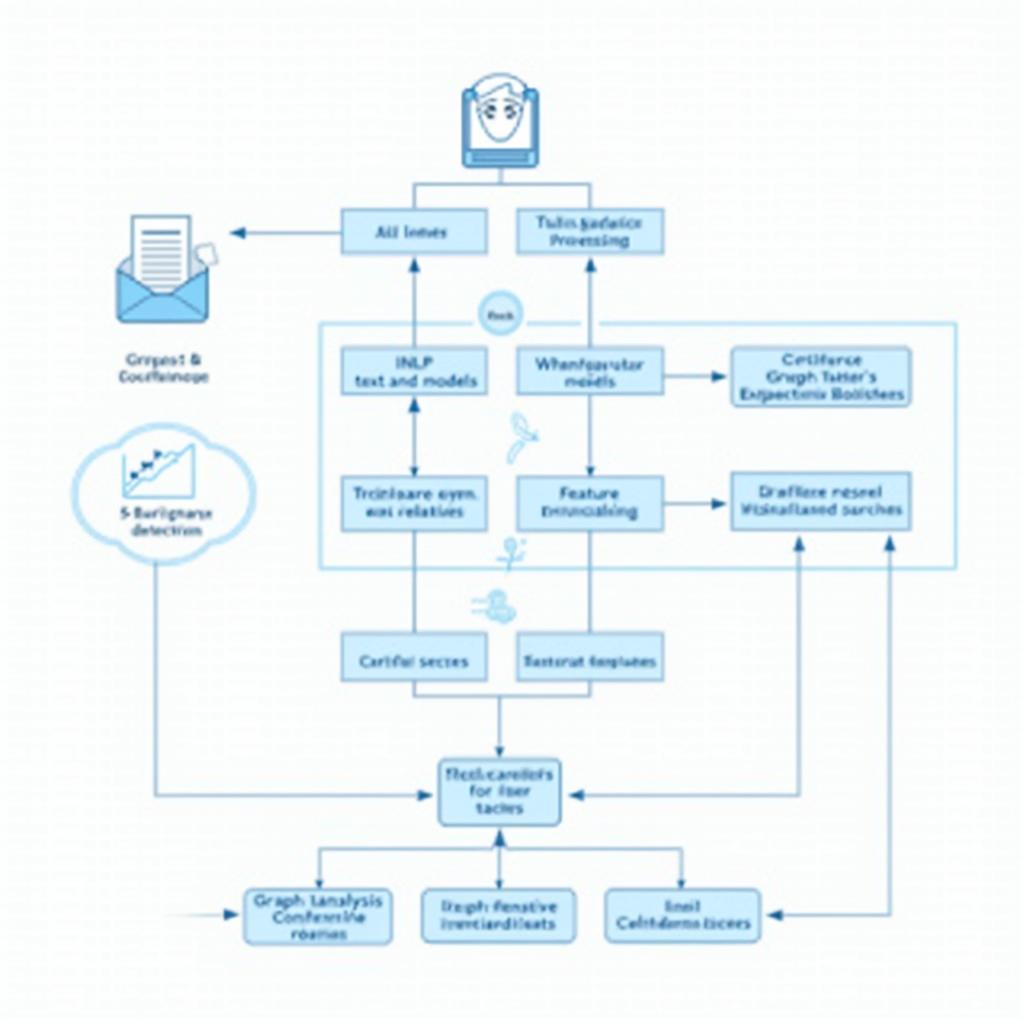
 Cơ chế hoạđộng của công nghệ chỉnh sửa gen CRISPR-Cas9 trong tế bào
PASSAGE 2 – Ethical Boundaries: The Moral Dilemmas of Human Germline Editing
Độ khó: Medium (Band 6.0-7.5)
Thời gian đề xuất: 18-20 phút
The advent of CRISPR technology has thrust humanity into uncharted ethical territory, particularly when it comes to germline editing – modifications made to embryos, eggs, or sperm that would be passed down to future generations. This capability has sparked intense debate among scientists, ethicists, religious leaders, and policymakers about where to draw the line between therapeutic intervention and human enhancement.
The distinction between somatic cell editing (changes to body cells that affect only the individual) and germline editing is crucial to understanding the ethical landscape. While somatic editing is generally accepted for treating disease, germline editing raises profound concerns because it permanently alters the human gene pool. Proponents argue that germline editing could eliminate devastating inherited diseases like Huntington’s disease or cystic fibrosis from family lines forever. Critics contend that we lack sufficient understanding of long-term consequences and that such irreversible changes should not be undertaken lightly.
The watershed moment came in November 2018 when Chinese scientist He Jiankui announced that he had created the world’s first “CRISPR babies” – twin girls whose genomes he had edited as embryos to make them resistant to HIV infection. The announcement sent shockwaves through the scientific community and was widely condemned as reckless and unethical. He had violated international consensus guidelines and acted without proper oversight or informed consent, demonstrating the very risks that had worried ethicists. He was subsequently sentenced to prison in China, but the incident highlighted the urgent need for enforceable international regulations.
The He Jiankui case exposed several critical ethical concerns. First, the editing was done not to treat a disease in the embryos themselves but to confer resistance to a future possible infection – a form of enhancement rather than therapy. Second, there were safer, established methods to prevent HIV transmission from parent to child. Third, the technology’s potential for off-target mutations meant that the twins might carry unintended genetic changes whose effects won’t be known for years or even generations. Fourth, the children could not consent to these permanent changes, raising questions about autonomy and the rights of future individuals.
These concerns have led to calls for a global moratorium on germline editing, at least until the technology becomes more precise and the societal implications are better understood. However, implementing such a moratorium faces significant challenges. Different countries have varying regulatory frameworks – some have banned germline editing entirely, others permit it under strict conditions, and some have little or no specific regulation. This regulatory patchwork creates the possibility of “genetic tourism,” where individuals might travel to permissive jurisdictions to access prohibited procedures.
Beyond safety concerns, germline editing raises questions about social justice and equality. If the technology becomes widely available, will it be accessible only to the wealthy, creating a genetic divide between rich and poor? Some ethicists worry about the emergence of “genetic haves and have-nots”, where enhanced individuals enjoy unfair advantages in education, employment, and social status. Others fear that widespread genetic enhancement could reduce human diversity and lead to homogenization of desirable traits, potentially weakening humanity’s adaptive capacity.
The concept of “designer babies” – children whose traits are selected or enhanced according to parental preferences – represents perhaps the most controversial application of germline editing. While most people might accept editing to prevent serious disease, opinions diverge sharply when considering enhancements for characteristics like intelligence, athletic ability, or physical appearance. Where exactly is the boundary between treating illness and enhancing normal traits? Is being shorter than average a condition requiring treatment, or simply natural variation? These questions have no clear answers.
Religious and philosophical perspectives add further complexity to the debate. Some religious traditions view germline editing as “playing God” and violating the sanctity of human life in its natural form. Others see it as an extension of humanity’s moral obligation to reduce suffering and improve wellbeing. Secular ethicists debate whether we have a duty to future generations to improve the human genome or whether such modifications represent unjustifiable hubris.
The informed consent dilemma is particularly thorny. Future children affected by germline editing decisions cannot possibly consent to modifications that will affect their entire lives. Some argue this is no different from parents making other irreversible decisions for their children, such as religious upbringing or educational choices. Others maintain that genetic modifications are fundamentally different because they alter the child’s biological essence in permanent ways.
There is also concern about unforeseen consequences. The human genome is extraordinarily complex, with genes often serving multiple functions and interacting in ways not yet fully understood. A modification intended to prevent one disease might inadvertently increase susceptibility to another condition or have effects that only become apparent later in life or in subsequent generations. The precautionary principle – the idea that we should proceed cautiously when consequences are uncertain – suggests that germline editing should be approached with extreme care.
Despite these concerns, some researchers argue that a blanket prohibition on germline editing would be a mistake. They point out that the technology continues to improve, making it safer and more precise. Moreover, they argue, there are compelling cases where germline editing might be the only option to prevent devastating diseases in families with no alternatives. Finding the right balance between protecting future generations and allowing beneficial innovation remains one of the most challenging ethical questions of our time.
Questions 14-26
Questions 14-18: Yes/No/Not Given
Do the following statements agree with the views of the writer in the passage? Write:
- YES if the statement agrees with the views of the writer
- NO if the statement contradicts the views of the writer
- NOT GIVEN if it is impossible to say what the writer thinks about this
14. The scientific community generally supported He Jiankui’s creation of CRISPR babies.
15. There were already safe methods available to prevent HIV transmission from parents to children without using CRISPR.
16. All countries should immediately ban germline editing completely.
17. The concept of “designer babies” is the most controversial application of CRISPR technology.
18. Germline editing is no different ethically from other irreversible decisions parents make for children.
Questions 19-23: Matching Headings
The passage has nine paragraphs (labeled in the analysis above). Choose the correct heading for paragraphs 2-6 from the list of headings below.
List of Headings:
i. The problem of obtaining consent from future generations
ii. Differences between two types of genetic modification
iii. Economic inequality and genetic advantages
iv. The controversial case that shocked the world
v. Religious objections to gene editing
vi. Challenges in creating global regulations
vii. The complexity of human genetics
viii. Arguments for allowing careful research to continue
19. Paragraph 2 __
20. Paragraph 3 __
21. Paragraph 4 __
22. Paragraph 5 __
23. Paragraph 6 __
Questions 24-26: Summary Completion
Complete the summary below. Choose NO MORE THAN TWO WORDS from the passage for each answer.
Germline editing differs from somatic cell editing because changes are (24) __ to future generations. The He Jiankui case was condemned partly because the editing aimed at conferring resistance to a possible future infection rather than treating an existing disease, making it more of an (25) __ than therapy. Additionally, the possibility of (26) __ means that unintended genetic changes could affect the children for their entire lives.
PASSAGE 3 – Navigating the Future: Governance, Regulation, and the Global CRISPR Landscape
Độ khó: Hard (Band 7.0-9.0)
Thời gian đề xuất: 23-25 phút
The unprecedented velocity at which CRISPR technology has progressed from laboratory curiosity to clinical reality has left governance frameworks struggling to keep pace. This temporal disjuncture between scientific capability and regulatory readiness presents a multifaceted challenge that transcends traditional boundaries of national jurisdiction, requiring novel approaches to international coordination and ethical oversight. The question is no longer whether CRISPR technology will reshape human biology, but rather how societies can collectively navigate this transformation while balancing innovation, safety, equity, and human dignity.
Current regulatory approaches to CRISPR vary dramatically across jurisdictions, reflecting divergent cultural values, philosophical traditions, and risk tolerances. The European Union has adopted a precautionary stance, classifying CRISPR-modified organisms under strict GMO regulations that require extensive testing and labeling. This approach prioritizes caution over rapid deployment, reflecting European societies’ historical skepticism toward genetic modification. Conversely, the United States has taken a more permissive approach, with the FDA regulating CRISPR applications on a case-by-case basis under existing frameworks for drugs and biologics. This regulatory heterogeneity creates challenges for multinational research collaborations and raises concerns about regulatory arbitrage, whereby entities might relocate operations to jurisdictions with more favorable regulatory environments.
The governance vacuum at the international level is particularly problematic. While organizations like the World Health Organization (WHO) have convened expert committees to develop guidelines for human genome editing, these recommendations lack binding enforcement mechanisms. The He Jiankui incident starkly illustrated the consequences of this absence: despite widespread international consensus that germline editing should not yet be performed in humans, no international body had the authority to prevent or sanction such actions. In response, the WHO established a global registry for human genome editing research and a governance framework calling for transparency and oversight, but these remain largely advisory rather than mandatory.
The epistemological uncertainty inherent in CRISPR applications compounds regulatory challenges. Unlike pharmaceutical drugs with well-established dose-response relationships and temporal predictability, genetic modifications can have pleiotropic effects – single genetic changes influencing multiple traits – and may manifest consequences only after considerable temporal delay or across multiple generations. This temporal discontinuity between intervention and outcome complicates traditional risk-benefit analyses that underpin regulatory decision-making. How does one quantify risks that may not materialize for decades, or benefits that accrue across multiple generations?
Distributive justice concerns loom large in discussions of CRISPR governance. The technology’s potential to exacerbate existing health disparities is substantial. Currently, CRISPR therapies under development are extraordinarily expensive – early treatments for genetic disorders are estimated to cost millions of dollars per patient. Without deliberate policy interventions ensuring equitable access, CRISPR could become a luxury available only to affluent populations in developed nations, widening the health equity gap between rich and poor. Some ethicists argue for a “genetic commons” approach, treating fundamental genetic therapies as public goods that should be universally accessible, similar to essential medicines. However, implementing such frameworks requires addressing complex questions about intellectual property rights, research incentives, and resource allocation in health systems already strained by competing demands.
The commercialization landscape of CRISPR technology presents additional governance challenges. Numerous biotechnology companies have emerged around CRISPR platforms, attracting billions in investment capital. While commercial interest can accelerate innovation and development, it also creates potential conflicts of interest when profit motives might compromise scientific integrity or encourage premature clinical applications. The patent disputes surrounding CRISPR technology – with multiple institutions claiming intellectual property rights to various aspects of the technology – add another layer of complexity, potentially hindering research collaboration and driving up costs for therapeutic applications.
Public engagement and democratic deliberation are increasingly recognized as essential components of CRISPR governance. Given that decisions about germline editing, in particular, have implications for the entire human species, there are compelling arguments that such decisions should not rest solely with scientific or political elites but should involve broad societal participation. However, achieving meaningful public engagement on such technically complex issues is challenging. Citizens need sufficient scientific literacy to understand the issues at stake, yet deliberations must not be delayed indefinitely while the public is educated. Various models have been proposed, including citizen assemblies, where representative groups of citizens are provided with balanced information and expert testimonies to develop policy recommendations, and anticipatory governance, which attempts to incorporate public values into research trajectories at early stages.
The dual-use dilemma – the reality that CRISPR technology can be applied for both beneficial and harmful purposes – raises biosecurity concerns that extend beyond medical ethics into national security domains. The same tools that enable disease treatment could theoretically be used to create dangerous pathogens or biological weapons. Governing this dual-use potential requires security measures that might conflict with scientific values of openness and collaboration. Finding an appropriate balance between necessary security restrictions and the free exchange of information essential for scientific progress is an ongoing challenge that has precedents in nuclear technology and other dual-use domains but requires adaptation to biotechnology’s unique characteristics.
Intergenerational justice presents perhaps the most philosophically intractable dimension of CRISPR ethics. Germline modifications create obligations to future persons who do not yet exist and cannot participate in decisions affecting their genomic endowment. Some philosophers argue that we have a “procreative beneficence” obligation to use genetic technologies to give future children the best possible start in life. Others maintain that such interventions violate the “right to an open future”, compromising children’s autonomy by making irreversible decisions about their biological makeup. The concept of intergenerational equity – the principle that present generations should not compromise the wellbeing of future generations – is well established in environmental ethics but its application to genetic technology requires further development.
The pathway forward likely requires a pluralistic governance approach combining multiple mechanisms: international agreements establishing minimum standards and prohibitions; national regulations adapted to local contexts; professional self-governance through scientific societies and ethics committees; institutional review boards overseeing specific research projects; and ongoing public dialogue ensuring democratic legitimacy. Some scholars advocate for “adaptive governance” models that remain flexible and responsive as scientific understanding evolves and social values shift. Such approaches recognize that rigid, permanent regulations may prove inadequate for governing a rapidly advancing technology, while purely ad hoc responses risk inconsistency and lack of accountability.
Ultimately, the governance challenge posed by CRISPR technology reflects broader questions about humanity’s relationship with its own biology and the extent to which we should deliberately direct our own evolution. The technology has given us unprecedented power to shape the genetic heritage of future generations, but as the philosopher Hans Jonas observed, “Modern technology has introduced actions of such novel scale, objects, and consequences that the framework of former ethics can no longer contain them.” Developing governance frameworks adequate to this task represents not merely a technical or regulatory challenge but a profound test of collective wisdom and our capacity for responsible stewardship of a technology that could fundamentally alter what it means to be human.
 Cuộc tranh luận về đạo đức và quản lý công nghệ chỉnh sửa gen CRISPR toàn cầu
Questions 27-40
Questions 27-31: Multiple Choice
Choose the correct letter, A, B, C, or D.
27. According to the passage, the main problem with current CRISPR governance is that:
A) The technology is advancing faster than regulatory systems can adapt
B) There are too many regulations restricting research
C) Scientists refuse to follow any guidelines
D) The technology is too complex for anyone to understand
28. How does the European Union’s approach to CRISPR regulation differ from that of the United States?
A) Europe has no regulations while the US has strict ones
B) Europe is more cautious while the US takes a permissive case-by-case approach
C) Both have identical regulations
D) Europe encourages rapid deployment while the US is restrictive
29. What does the passage suggest about the WHO’s guidelines on human genome editing?
A) They are legally binding on all countries
B) They have advisory status without enforcement power
C) They have been universally rejected by scientists
D) They completely prevent unauthorized gene editing
30. The term “pleiotropic effects” in the passage refers to:
A) Genetic changes that affect multiple traits simultaneously
B) Effects that occur immediately after editing
C) Changes that only affect a single characteristic
D) Temporary modifications to genes
31. According to the passage, which statement best describes the author’s view on public engagement in CRISPR governance?
A) It is unnecessary because the issues are too technical
B) It should be delayed until all citizens are fully educated
C) It is important but challenging to implement effectively
D) It should be the sole determinant of all policies
Questions 32-36: Matching Features
Match each concern (Questions 32-36) with the correct aspect of CRISPR governance (A-G).
Concerns:
32. The possibility of genetic modifications being used to create dangerous organisms
33. The risk that only wealthy people will have access to CRISPR treatments
34. The difficulty in predicting long-term consequences across generations
35. Companies prioritizing profits over safety in developing CRISPR applications
36. Making permanent decisions about people who cannot give their permission
Aspects:
A) Distributive justice
B) Biosecurity and dual-use dilemma
C) Epistemological uncertainty
D) Commercialization challenges
E) Intergenerational justice
F) Regulatory heterogeneity
G) Public engagement
Questions 37-40: Short-answer Questions
Answer the questions below. Choose NO MORE THAN THREE WORDS from the passage for each answer.
37. What type of approach does the passage suggest is needed for CRISPR governance, involving multiple mechanisms working together?
38. What philosophical concept questions whether we should make irreversible genetic decisions that limit children’s future choices?
39. According to Hans Jonas, what aspect of modern technology makes traditional ethical frameworks inadequate?
40. What does the passage identify as the ultimate test of our ability to responsibly manage CRISPR technology?
3. Answer Keys – Đáp Án
PASSAGE 1: Questions 1-13
- B
- C
- B
- B
- C
- TRUE
- FALSE
- TRUE
- NOT GIVEN
- molecular scissors
- democratization / accessibility
- ethics
- off-target effects / unintended changes
PASSAGE 2: Questions 14-26
- NO
- YES
- NOT GIVEN
- YES
- NOT GIVEN
- ii
- iv
- vi (Note: This maps to paragraph discussing the He case’s ethical concerns)
- vi
- iii
- passed down
- enhancement
- off-target mutations
PASSAGE 3: Questions 27-40
- A
- B
- B
- A
- C
- B
- A
- C
- D
- E
- pluralistic governance approach
- right to an open future
- novel scale / novel objects / novel consequences (any one acceptable)
- collective wisdom / responsible stewardship
4. Giải Thích Đáp Án Chi Tiết
Passage 1 – Giải Thích
Câu 1: B
- Dạng câu hỏi: Multiple Choice
- Từ khóa: origin of CRISPR
- Vị trí trong bài: Đoạn 1, dòng 3-5
- Giải thích: Bài đọc nói rõ “Scientists discovered that bacteria use these DNA sequences… as a kind of molecular immune system to defend against viruses.” Đây là hệ thống phòng thủ tự nhiên của vi khuẩn, không phải do con người phát minh. Các đáp án khác sai vì: A – không phải phát minh nhân tạo, C – không được phát triển đặc biệt cho bệnh người, D – không tìm thấy trong hệ miễn dịch người.
Câu 2: C
- Dạng câu hỏi: Multiple Choice
- Từ khóa: differ from previous gene-editing methods
- Vị trí trong bài: Đoạn 2, câu đầu tiên
- Giải thích: “Unlike previous gene-editing methods that were expensive, time-consuming, and often imprecise, CRISPR allows scientists to target specific genes with remarkable accuracy.” Điều này paraphrase thành “simpler, more precise, and less costly” trong đáp án C.
Câu 6: TRUE
- Dạng câu hỏi: True/False/Not Given
- Từ khóa: bacteria, protect, viral infections
- Vị trí trong bài: Đoạn 1
- Giải thích: Câu trong bài nói rõ vi khuẩn sử dụng CRISPR “as a kind of molecular immune system to defend against viruses”, khớp chính xác với statement.
Câu 7: FALSE
- Dạng câu hỏi: True/False/Not Given
- Từ khóa: all genetic disorders, cured
- Vị trí trong bài: Đoạn 3
- Giải thích: Bài chỉ nói “potential medical applications” và đang “develop treatments” cho một số bệnh cụ thể, không hề đề cập đến việc chữa được TẤT CẢ rối loạn di truyền. Từ “all” làm cho statement này sai.
Câu 10: molecular scissors
- Dạng câu hỏi: Sentence Completion
- Từ khóa: Cas9 protein, functions like, cut DNA
- Vị trí trong bài: Đoạn 2
- Giải thích: “The process works like molecular scissors: the Cas9 protein is guided…” – đây là so sánh trực tiếp, cần điền chính xác cụm từ này.
Câu 13: off-target effects / unintended changes
- Dạng câu hỏi: Sentence Completion
- Từ khóa: technical problem, sometimes create
- Vị trí trong bài: Đoạn cuối
- Giải thích: “The technology can sometimes make unintended changes to the genome, known as ‘off-target effects'” – cả hai cụm từ đều chấp nhận được vì bài đọc dùng cả hai.
Passage 2 – Giải Thích
Câu 14: NO
- Dạng câu hỏi: Yes/No/Not Given
- Từ khóa: scientific community, supported, He Jiankui
- Vị trí trong bài: Đoạn 3
- Giải thích: Bài viết rất rõ ràng: “The announcement sent shockwaves through the scientific community and was widely condemned as reckless and unethical.” Điều này trái ngược hoàn toàn với “supported”.
Câu 15: YES
- Dạng câu hỏi: Yes/No/Not Given
- Từ khóa: safe methods, prevent HIV transmission
- Vị trí trong bài: Đoạn 4
- Giải thích: “Second, there were safer, established methods to prevent HIV transmission from parent to child.” Đây là quan điểm được tác giả trình bày như một sự thật trong phân tích của mình.
Câu 19: ii
- Dạng câu hỏi: Matching Headings
- Vị trí: Paragraph 2
- Giải thích: Đoạn này tập trung vào “The distinction between somatic cell editing… and germline editing is crucial” – đây chính là sự khác biệt giữa hai loại chỉnh sửa gen.
Câu 20: iv
- Dạng câu hỏi: Matching Headings
- Vị trí: Paragraph 3
- Giải thích: Cả đoạn nói về vụ việc He Jiankui – “The watershed moment” và “shocked the scientific community” tương ứng với “controversial case that shocked the world”.
Câu 24: passed down
- Dạng câu hỏi: Summary Completion
- Từ khóa: germline editing differs, future generations
- Vị trí trong bài: Đoạn 1
- Giải thích: “modifications made to embryos, eggs, or sperm that would be passed down to future generations” – cần điền đúng verb phrase này.
Passage 3 – Giải Thích
Câu 27: A
- Dạng câu hỏi: Multiple Choice
- Từ khóa: main problem, current CRISPR governance
- Vị trí trong bài: Đoạn 1, câu đầu
- Giải thích: “The unprecedented velocity at which CRISPR technology has progressed… has left governance frameworks struggling to keep pace” – đây chính là temporal disjuncture (sự không đồng bộ về thời gian) mà bài nhấn mạnh.
Câu 30: A
- Dạng câu hỏi: Multiple Choice – Vocabulary in context
- Từ khóa: pleiotropic effects
- Vị trí trong bài: Đoạn 4
- Giải thích: Bài giải thích rõ: “pleiotropic effects – single genetic changes influencing multiple traits” – định nghĩa trực tiếp được đưa ra ngay sau dấu gạch ngang.
Câu 32: B
- Dạng câu hỏi: Matching Features
- Từ khóa: dangerous organisms
- Vị trí trong bài: Đoạn 8
- Giải thích: “The dual-use dilemma” section explicitly discusses “creating dangerous pathogens or biological weapons”, which is a biosecurity concern.
Câu 33: A
- Dạng câu hỏi: Matching Features
- Từ khóa: only wealthy people, access
- Vị trí trong bài: Đoạn 5
- Giải thích: “Distributive justice concerns” paragraph discusses how “CRISPR could become a luxury available only to affluent populations”, widening the “health equity gap”.
Câu 37: pluralistic governance approach
- Dạng câu hỏi: Short-answer (up to 3 words)
- Từ khóa: multiple mechanisms, working together
- Vị trí trong bài: Đoạn 10
- Giải thích: “The pathway forward likely requires a pluralistic governance approach combining multiple mechanisms” – cụm từ chính xác cần tìm.
Câu 40: collective wisdom / responsible stewardship
- Dạng câu hỏi: Short-answer
- Từ khóa: ultimate test, responsibly manage
- Vị trí trong bài: Đoạn cuối
- Giải thích: Câu cuối: “represents… a profound test of collective wisdom and our capacity for responsible stewardship” – cả hai đáp án đều được chấp nhận.
5. Từ Vựng Quan Trọng Theo Passage
Passage 1 – Essential Vocabulary
| Từ vựng | Loại từ | Phiên âm | Nghĩa tiếng Việt | Ví dụ từ bài | Collocation |
|---|---|---|---|---|---|
| groundbreaking | adj | /ˈɡraʊndˌbreɪkɪŋ/ | đột phá, mang tính cách mạng | groundbreaking technologies | groundbreaking research/discovery |
| unprecedented | adj | /ʌnˈpresɪdentɪd/ | chưa từng có | unprecedented possibilities | unprecedented scale/level |
| molecular | adj | /məˈlekjələr/ | thuộc phân tử | molecular immune system | molecular biology/structure |
| precision | n | /prɪˈsɪʒən/ | độ chính xác | with remarkable precision | surgical precision |
| gene-editing | n (compound) | /dʒiːn ˈedɪtɪŋ/ | chỉnh sửa gen | gene-editing methods | gene-editing technology/tools |
| inherited | adj | /ɪnˈherɪtɪd/ | di truyền, thừa kế | inherited blindness | inherited disease/disorder/trait |
| preventive | adj | /prɪˈventɪv/ | phòng ngừa | preventive medicine | preventive measure/care |
| regulatory oversight | n (phrase) | /ˈreɡjələtəri ˈəʊvəsaɪt/ | sự giám sát quản lý | regulatory oversight | lack of regulatory oversight |
| democratization | n | /dɪˌmɒkrətaɪˈzeɪʃən/ | sự dân chủ hóa | democratization of technology | democratization of access |
| off-target effects | n (phrase) | /ɒf ˈtɑːɡɪt ɪˈfekts/ | tác dụng ngoài mục tiêu | off-target effects | minimize off-target effects |
| genetic disorder | n (phrase) | /dʒəˈnetɪk dɪsˈɔːdər/ | rối loạn di truyền | treating genetic disorders | rare genetic disorder |
| intervention | n | /ˌɪntəˈvenʃən/ | sự can thiệp | early intervention | medical intervention |
Passage 2 – Essential Vocabulary
| Từ vựng | Loại từ | Phiên âm | Nghĩa tiếng Việt | Ví dụ từ bài | Collocation |
|---|---|---|---|---|---|
| germline editing | n (phrase) | /ˈdʒɜːmlaɪn ˈedɪtɪŋ/ | chỉnh sửa dòng mầm | germline editing raises concerns | germline modification |
| uncharted territory | n (phrase) | /ʌnˈtʃɑːtɪd ˈterətri/ | lãnh địa chưa được khám phá | uncharted ethical territory | venture into uncharted territory |
| profound | adj | /prəˈfaʊnd/ | sâu sắc, nghiêm trọng | profound concerns | profound impact/effect/influence |
| proponents | n | /prəˈpəʊnənts/ | người ủng hộ | proponents argue that | proponents of change/reform |
| irreversible | adj | /ˌɪrɪˈvɜːsəbl/ | không thể đảo ngược | irreversible changes | irreversible damage |
| watershed moment | n (phrase) | /ˈwɔːtəʃed ˈməʊmənt/ | khoảnh khắc bước ngoặt | watershed moment came | watershed event |
| reckless | adj | /ˈrekləs/ | liều lĩnh, bất chấp | reckless and unethical | reckless behavior/decision |
| informed consent | n (phrase) | /ɪnˈfɔːmd kənˈsent/ | sự đồng ý có hiểu biết | without informed consent | obtain informed consent |
| moratorium | n | /ˌmɒrəˈtɔːriəm/ | lệnh đình hoãn | global moratorium | impose/call for a moratorium |
| regulatory patchwork | n (phrase) | /ˈreɡjələtəri ˈpætʃwɜːk/ | hệ thống quy định rời rạc | regulatory patchwork creates | patchwork of regulations |
| genetic divide | n (phrase) | /dʒəˈnetɪk dɪˈvaɪd/ | sự chia rẽ về di truyền | creating a genetic divide | widen the genetic divide |
| homogenization | n | /həˌmɒdʒənaɪˈzeɪʃən/ | sự đồng nhất hóa | homogenization of traits | genetic homogenization |
| sanctity | n | /ˈsæŋktəti/ | sự thiêng liêng | sanctity of human life | sanctity of marriage/life |
| hubris | n | /ˈhjuːbrɪs/ | sự kiêu ngạo, tự phụ | unjustifiable hubris | scientific/technological hubris |
| precautionary principle | n (phrase) | /prɪˈkɔːʃənəri ˈprɪnsəpl/ | nguyên tắc phòng ngừa | precautionary principle suggests | apply the precautionary principle |
Passage 3 – Essential Vocabulary
| Từ vựng | Loại từ | Phiên âm | Nghĩa tiếng Việt | Ví dụ từ bài | Collocation |
|---|---|---|---|---|---|
| unprecedented velocity | n (phrase) | /ʌnˈpresɪdentɪd vəˈlɒsəti/ | tốc độ chưa từng có | unprecedented velocity of progress | velocity of change |
| governance framework | n (phrase) | /ˈɡʌvənəns ˈfreɪmwɜːk/ | khung quản trị | governance frameworks struggling | regulatory/governance framework |
| disjuncture | n | /dɪsˈdʒʌŋktʃər/ | sự rời rạc, gián đoạn | temporal disjuncture | disjuncture between theory and practice |
| multifaceted | adj | /ˌmʌltiˈfæsɪtɪd/ | đa diện | multifaceted challenge | multifaceted problem/approach |
| precautionary stance | n (phrase) | /prɪˈkɔːʃənəri stæns/ | lập trường thận trọng | precautionary stance adopted | adopt a precautionary stance |
| regulatory arbitrage | n (phrase) | /ˈreɡjələtəri ˈɑːbɪtrɑːʒ/ | chênh lệch quy định | concerns about regulatory arbitrage | engage in regulatory arbitrage |
| epistemological uncertainty | n (phrase) | /ɪˌpɪstɪməˈlɒdʒɪkəl ʌnˈsɜːtənti/ | sự không chắc chắn về nhận thức | epistemological uncertainty inherent | epistemological debate/question |
| pleiotropic effects | n (phrase) | /ˌplaɪəˈtrɒpɪk ɪˈfekts/ | tác động đa hướng | pleiotropic effects of genetic changes | pleiotropic gene |
| temporal discontinuity | n (phrase) | /ˈtempərəl ˌdɪskɒntɪˈnjuːəti/ | sự gián đoạn thời gian | temporal discontinuity between | temporal dimension |
| distributive justice | n (phrase) | /dɪˈstrɪbjətɪv ˈdʒʌstɪs/ | công bằng phân phối | distributive justice concerns | principles of distributive justice |
| equitable access | n (phrase) | /ˈekwɪtəbl ˈækses/ | tiếp cận công bằng | ensuring equitable access | equitable distribution |
| genetic commons | n (phrase) | /dʒəˈnetɪk ˈkɒmənz/ | tài sản di truyền chung | genetic commons approach | commons resources |
| dual-use dilemma | n (phrase) | /ˈdjuːəl juːs dɪˈlemə/ | tình thế lưỡng nan về ứng dụng kép | dual-use dilemma raises concerns | dual-use technology/research |
| intergenerational justice | n (phrase) | /ˌɪntədʒenəˈreɪʃənəl ˈdʒʌstɪs/ | công bằng liên thế hệ | intergenerational justice presents | intergenerational equity |
| procreative beneficence | n (phrase) | /ˈprəʊkrieɪtɪv bəˈnefɪsəns/ | lợi ích sinh sản | procreative beneficence obligation | principle of procreative beneficence |
| adaptive governance | n (phrase) | /əˈdæptɪv ˈɡʌvənəns/ | quản trị thích ứng | adaptive governance models | adaptive management/strategy |
| ad hoc responses | n (phrase) | /æd hɒk rɪˈspɒnsɪz/ | phản ứng tình thế | purely ad hoc responses | ad hoc decision/measure |
| stewardship | n | /ˈstjuːədʃɪp/ | quản lý có trách nhiệm | responsible stewardship | environmental stewardship |
 Từ vựng quan trọng trong đề thi IELTS Reading về công nghệ CRISPR
Kết bài
Đề thi IELTS Reading mẫu về công nghệ chỉnh sửa gen CRISPR và những tác động đạo đức của nó đã cung cấp cho bạn một trải nghiệm luyện tập toàn diện với 40 câu hỏi thuộc 7 dạng khác nhau. Ba passages với độ khó tăng dần – từ giới thiệu tổng quan về công nghệ, đến phân tích các vấn đề đạo đức phức tạp, và cuối cùng là thảo luận chuyên sâu về quản trị và quy định – đã mô phỏng chính xác cấu trúc của một bài thi IELTS Reading thực tế.
Chủ đề CRISPR không chỉ phổ biến trong các kỳ thi IELTS gần đây mà còn đại diện cho xu hướng chung của IELTS Reading: ưu tiên các văn bản khoa học công nghệ có ý nghĩa xã hội sâu rộng, đòi hỏi thí sinh không chỉ hiểu thông tin bề mặt mà còn phải nắm bắt được các luận điểm phức tạp, quan điểm đối lập và sắc thái ngôn ngữ tinh tế.
Đáp án chi tiết kèm giải thích đã chỉ ra cách xác định thông tin trong bài, paraphrase giữa câu hỏi và passage, và những “bẫy” thường gặp mà IELTS thiết kế. Hơn 40 từ vựng quan trọng được tổng hợp theo từng passage sẽ giúp bạn xây dựng vốn từ học thuật cần thiết không chỉ cho Reading mà còn cho các phần thi khác.
Những điều cần lưu ý sau khi làm đề này:
- Xem lại những câu bạn làm sai và hiểu rõ TẠI SAO sai
- Kiểm tra xem bạn có quản lý được 60 phút cho cả 3 passages không
- Ghi nhớ các dạng paraphrase mà đề sử dụng
- Ôn luyện từ vựng theo ngữ cảnh, không chỉ học nghĩa đơn lẻ
- Thực hành thêm với các chủ đề khoa học công nghệ tương tự
Hãy sử dụng đề thi này như một công cụ đánh giá thực lực và điểm xuất phát để cải thiện kỹ năng Reading của bạn. Thành công trong IELTS không đến từ việc học thuộc lòng mà từ việc hiểu sâu và áp dụng đúng phương pháp. Chúc bạn đạt được band điểm mong muốn!